
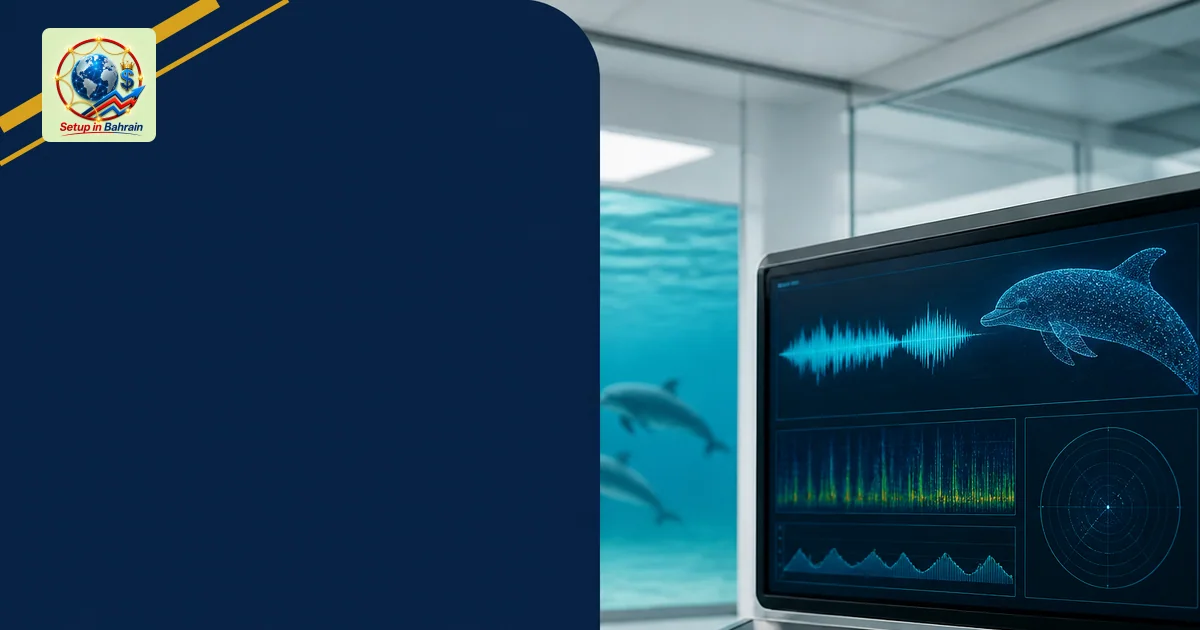
Wildlife experts push back on AI tools claiming to talk to dolphins
Wildlife scientists are publicly questioning a wave of new AI tools that claim to talk with dolphins. They warn the idea could mislead the public, distract from real animal behavior research, and potentially harm the animals if tools are inappropriately used. This explainer summarizes what is known, who could be affected, and practical steps to take as this discussion unfolds.
What is claimed about these AI tools?
Several reports describe AI systems that imagine they can interpret or generate dolphin-like communications. In plain terms, these tools often rely on patterns in human language data to simulate dialogue. Experts emphasize that dolphins communicate with tones, clicks, and whistles in ways that are not yet reducible to simple human language concepts. The core claim—being able to ‘talk’ to dolphins—reflects more about human interpretation than proven two-way communication with the animals.
Key facts to understand
- What the tools do: They process acoustic information and attempt to map it to human-language concepts or labels, not a confirmed dolphin language.
- What is uncertain: Whether the tools can interpret or meaningfully respond to dolphin signals in real time.
- Potential risks: Misleading headlines, misrepresentation of animal behavior, and possible interference with wildlife research or unintended disturbance to dolphins.
- Expert stance: Some researchers caution against equating simulated dialogue with genuine interspecies communication.
Who is affected
Researchers studying marine mammals, coastal communities that rely on wildlife tourism. The broader public who may encounter sensational claims about ‘talking dolphins.’ If tools are tested or marketed without clear evidence, it may shape funding, policy debates, and public expectations about animal intelligence or consent.
Practical next steps for readers
- Evaluate claims: Look for statements about evidence, reproducibility, and peer review rather than bold promises of conversation.
- Check sources: Rely on statements from recognized marine biologists or institutions rather than anonymous or sensational blogs.
- Understand limitations: Recognize that animal communication is complex and not simply translated into human words.
- Follow updates from journals or official research groups for any validated findings.
- Consider ethical aspects: Support work that prioritizes animal welfare and accurate science over hype.
Limits and open questions
Current science does not confirm a reliable method for one-to-one conversation with dolphins. Important questions remain: Do these tools actually extract meaningful meaning from dolphin signals? Can researchers ensure that using such tools does not alter dolphins’ natural behaviors? What standards will govern the testing and marketing of such technologies?
Which sources did Setup in Bahrain review?
Setup in Bahrain reviewed the following source material before preparing this explanatory article.
The links remain visible so readers can inspect the evidence, compare dates and context, and confirm current requirements with the relevant authority.
- dagens.com — evidence source reviewed for this article.
Information and responsibility notice: This article is general information based on the cited material available when published. It is not legal, tax, immigration, medical, financial, banking, or investment advice; it does not create a professional-client relationship; and it is not a guarantee of outcome, availability, accuracy, or eligibility. Rules, schedules, prices, and third-party information can change. Confirm material decisions with the relevant authority and an appropriately qualified adviser before acting.