
Sunrun and SPAN embed AI compute in new homes: what it means
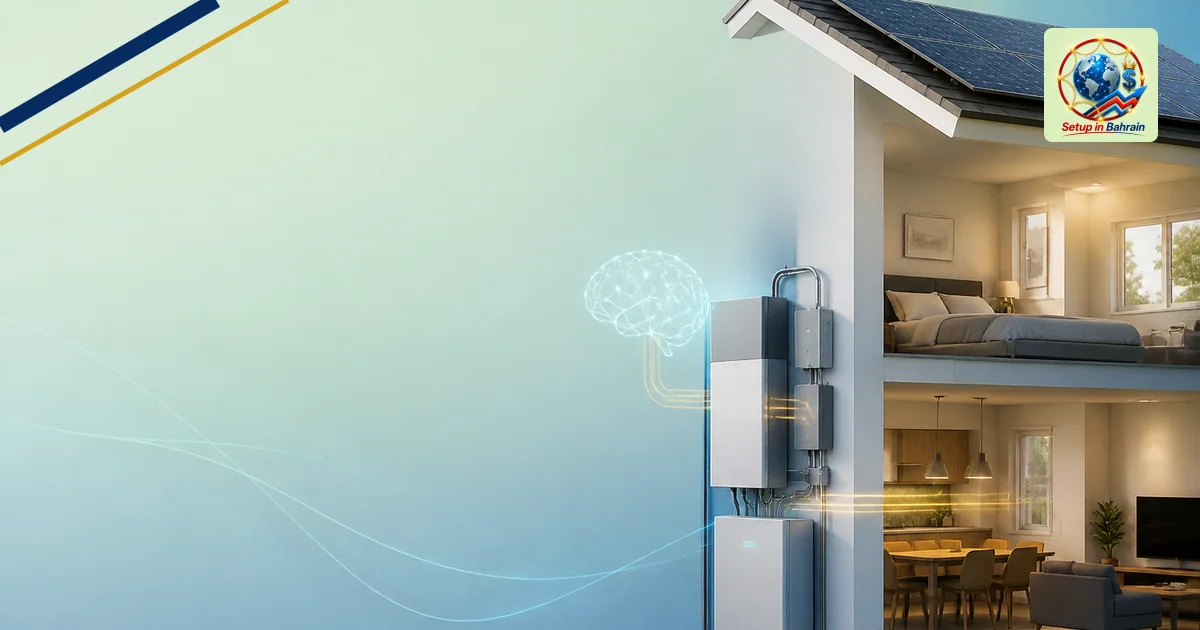
The partnership between Sunrun and SPAN aims to embed AI compute hardware inside new residential communities that install solar-plus-battery systems. The goal is to provide on-site AI processing power at scale, integrated with home energy technology, and to offer it to homebuilders for new constructions in Texas and other markets. This explainer defines what happened, who is affected, and what steps people can take next.
What changed in the Sunrun-SPAN deal
Sunrun and SPAN announced an expansion of their partnership on September 23, 2026. The plan is to install SPAN’s XFRA compute nodes inside new residential communities alongside home solar-plus-battery systems. The companies describe this as an end-to-end platform for residential AI compute—meaning AI processing power would be built into homes from the start rather than added later. The setup is aimed at deploying at a large, “gigawatt-scale” level, with collaboration from homebuilders in specified markets, starting in Texas.
Key facts to understand
- Hardware: SPAN XFRA compute nodes will be embedded with new home solar-plus-battery systems.
- Scale: They describe the deployment as gigawatt-scale, targeting multiple new communities.
- Market focus: The initial emphasis is on Texas and other unnamed markets where builders participate.
- Claim of uniqueness: The firms say this is the only end-to-end residential AI compute platform, reflecting a narrow market definition.
- Timing: Announcement was made on September 23, 2026.
Who is affected
Homebuyers and new-build homeowners in participating communities could gain on-site AI compute resources tied to their energy systems. Homebuilders partnering with Sunrun and SPAN would integrate this technology into new developments. The shift may also affect installers, local utilities, and potentially developers of data-intensive services that rely on AI processing near the energy assets. No implications about existing homes are stated in the source text.
Practical steps for readers
- For homebuyers: Ask the builder whether the community will include SPAN XFRA compute nodes and how the on-site AI resources would be managed and billed.
- For homebuilders: Review contracts with Sunrun and SPAN about deployment timelines, warranties, data handling, and maintenance responsibilities.
- For residents: In communities with these nodes, understand if AI services come with included software or subscriptions and how to access the compute resources.
- For policymakers and regulators: Monitor consumer data practices and safety considerations for on-site AI hardware in homes.
Limits and questions to watch
Details are limited in the source. It is unclear which specific AI workloads will run on the home nodes, how power use will be balanced with home energy management, or how data will be protected across multiple homes. The term “gigawatt-scale” is a performance target rather than a firm installed capacity across all communities. Readers should watch for official disclosures from Sunrun, SPAN, and participating builders for concrete specifications, pricing, and timelines.
Which sources did Setup in Bahrain review?
Setup in Bahrain reviewed the following source material before preparing this explanatory article.
The links remain visible so readers can inspect the evidence, compare dates and context, and confirm current requirements with the relevant authority.
- energiesmedia.com — evidence source reviewed for this article.
Information and responsibility notice: This article is general information based on the cited material available when published. It is not legal, tax, immigration, medical, financial, banking, or investment advice; it does not create a professional-client relationship; and it is not a guarantee of outcome, availability, accuracy, or eligibility. Rules, schedules, prices, and third-party information can change. Confirm material decisions with the relevant authority and an appropriately qualified adviser before acting.