
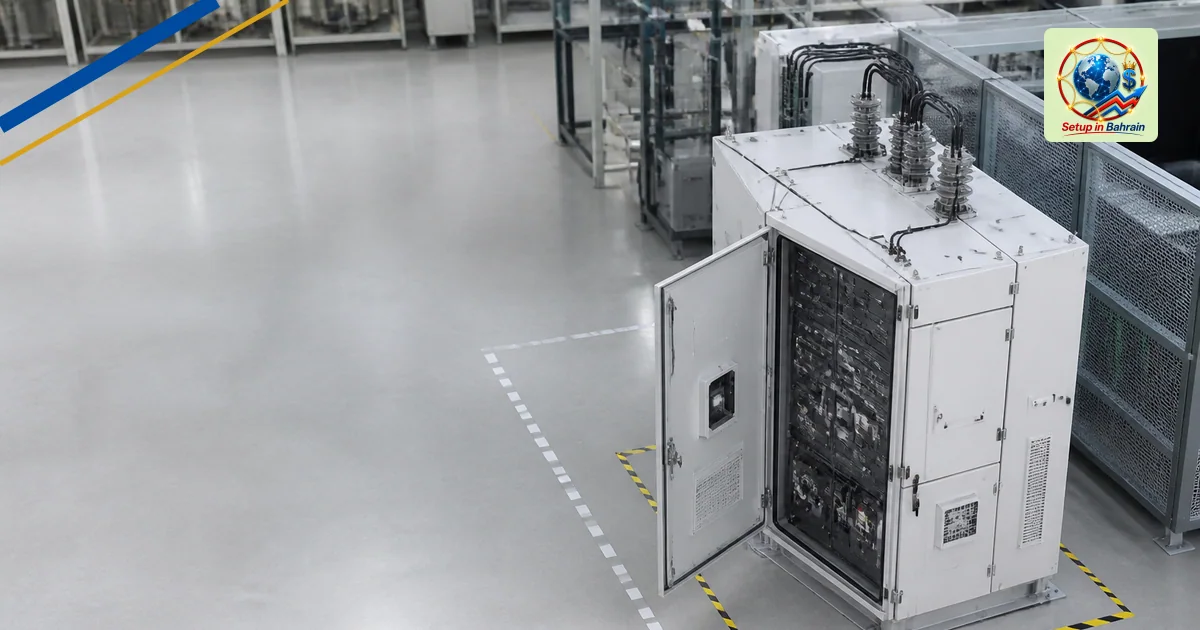
Schneider Electric unveils software-defined MV switchgear for AI factories
Schneider Electric released a new medium-voltage switchgear that uses software-defined technology to improve speed and scalability in AI-focused factories. The company says the architecture can speed up ordering and manufacturing, shorten commissioning times, allow zero-downtime upgrades, and reduce wiring and footprint. This explainer covers what changed, who is affected, and practical next steps for industry buyers and engineers.
What changed: a software-defined MV switchgear
The headline claim is that Schneider Electric has launched the world’s first fully software-defined medium-voltage (MV) switchgear. In simple terms, MV switchgear is equipment that controls and protects electrical power shipments at medium voltages in industrial settings. A software-defined approach means many functions that used to require hardware changes can now be adjusted or upgraded through software. The company says this setup can deliver up to three times faster ordering and manufacturing, and up to twice as fast commissioning (getting the system up and running). It also promises zero-downtime upgrades and a simpler physical footprint with less wiring and fewer components.
Key facts about the claim
What is being claimed: a new architecture for MV switchgear described as software-defined, with workflow benefits such as faster ordering, faster installation, and easier upgrades. The article quotes performance improvements in ordering, manufacturing, and commissioning, plus improvements to the physical design. Important terms explained:medium voltagerefers to electrical power at voltages typically between 1 kV and 35 kV used in industrial power distribution;software-definedmeans software controls or configures the hardware, enabling updates without replacing hardware. The source is a press release distributed via GlobeNewswire and published by Financial Post/Financial Post-affiliated outlets.
Who is affected
Industries deploying AI-focused manufacturing facilities, data-center-like factories, or large-scale automation may benefit from faster procurement and deployment of MV electrical equipment. Electricians, controls engineers, and plant managers could experience shorter commissioning times and simpler maintenance tasks due to a reduced hardware footprint and centralized software management. The claim does not specify regions or customers beyond the general market for industrial electrical equipment.
Practical next steps for interested buyers
If you’re considering this technology, verify the following with qualified reps: (1) whether your plant’s voltage class matches the proposed MV range, (2) integration with existing control systems and software, (3) upgrade paths and service availability for zero-downtime updates. (4) total footprint reduction and wiring changes in your specific installation. Request concrete performance data, installation timelines, and warranties. Assess cost implications versus current legacy MV gear, and plan for staff training on the software-defined features. Consider running a pilot on a single line or area to validate claimed speeds and reliability before wider rollout.
Which sources did Setup in Bahrain review?
Setup in Bahrain reviewed the following source material before preparing this explanatory article.
The links remain visible so readers can inspect the evidence, compare dates and context, and confirm current requirements with the relevant authority.
- financialpost.com — evidence source reviewed for this article.
Information and responsibility notice: This article is general information based on the cited material available when published. It is not legal, tax, immigration, medical, financial, banking, or investment advice; it does not create a professional-client relationship; and it is not a guarantee of outcome, availability, accuracy, or eligibility. Rules, schedules, prices, and third-party information can change. Confirm material decisions with the relevant authority and an appropriately qualified adviser before acting.