
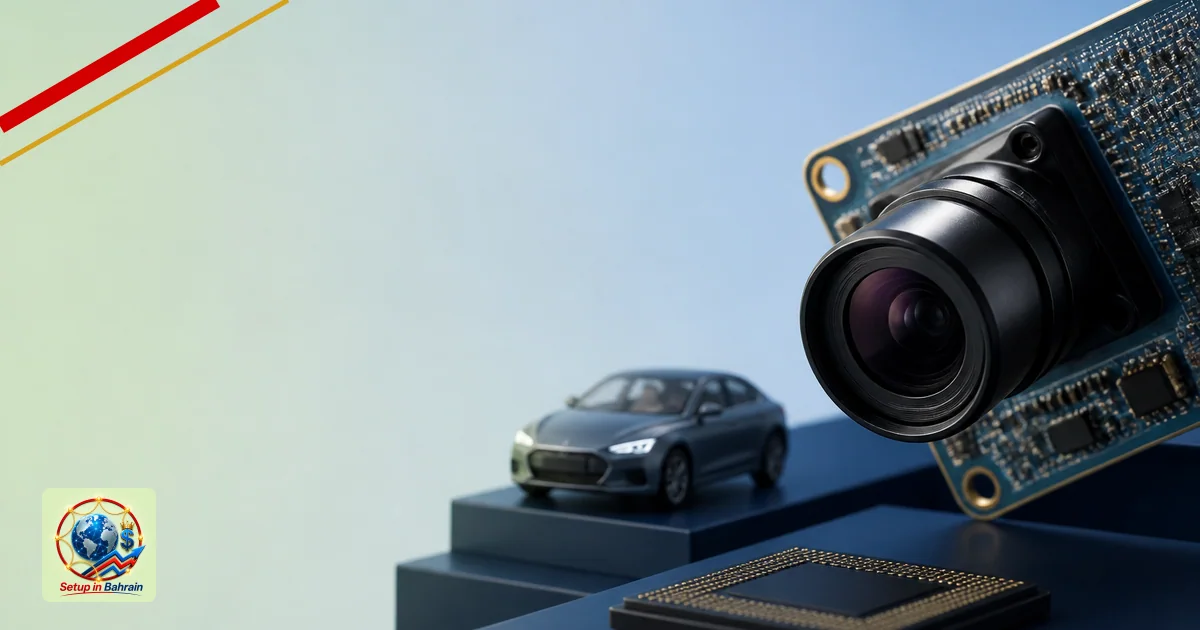
India lag in AI chips: could cameras and cars open a path
India was slower than some peers to develop specialized AI processors, but new angles like camera-enabled sensing and automotive systems are being explored as potential ways to compete. This explainer outlines what happened, who is affected, and practical steps for interested readers.
What happened
The article from Channel News Asia discusses India’s delay in building dedicated artificial intelligence (AI) chips, which are specialized processors designed to accelerate AI tasks. The piece suggests that India’s lag may be influenced by several factors, including the timing of local investment, policy support, and access to semiconductor manufacturing ecosystems abroad. It also raises the possibility that alternate technologies, such as cameras with advanced processing and autonomous or smart-vehicle systems, could offer pathways to participate in AI hardware development without relying solely on native, in-house chip fabrication.
Who is affected
Indian tech companies, startups focused on AI and autonomous systems, researchers, and policymakers are the primary audiences. Employees and investors in local chip design firms could see shifts if new approaches gain traction. Consumers may indirectly experience changes if cameras and cars drive more AI-enabled features in everyday devices and transportation in India.
Practical next steps
For readers seeking concrete actions:
- Follow developments in government policy and funding programs related to AI hardware and semiconductors in India.
- Monitor partnerships between tech firms and automotive or camera-system developers, which could signal new routes into AI hardware ecosystems.
- If you’re a developer or researcher, consider cross-domain skills in computer vision (how cameras interpret scenes) and edge computing (processing data near the source) as complementary to chip design.
- Organizations may explore collaboration with international partners to access established semiconductor supply chains while leveraging local AI software expertise.
- Be cautious about hype: the path through cameras and cars may supplement but not fully replace dedicated AI chips in all workloads.
Limits and questions
The CNA piece notes possibilities but does not confirm a guaranteed or funded program to shift India’s AI hardware capabilities through cameras or vehicles. Key questions remain about timelines, funding, and how effective non-chip approaches would be for high-demand AI tasks compared with traditional AI accelerators. Readers should watch official announcements and independent analyses for evidence of concrete programs or partnerships.
Which sources did Setup in Bahrain review?
Setup in Bahrain reviewed the following source material before preparing this explanatory article.
The links remain visible so readers can inspect the evidence, compare dates and context, and confirm current requirements with the relevant authority.
- channelnewsasia.com — evidence source reviewed for this article.
Information and responsibility notice: This article is general information based on the cited material available when published. It is not legal, tax, immigration, medical, financial, banking, or investment advice; it does not create a professional-client relationship; and it is not a guarantee of outcome, availability, accuracy, or eligibility. Rules, schedules, prices, and third-party information can change. Confirm material decisions with the relevant authority and an appropriately qualified adviser before acting.