
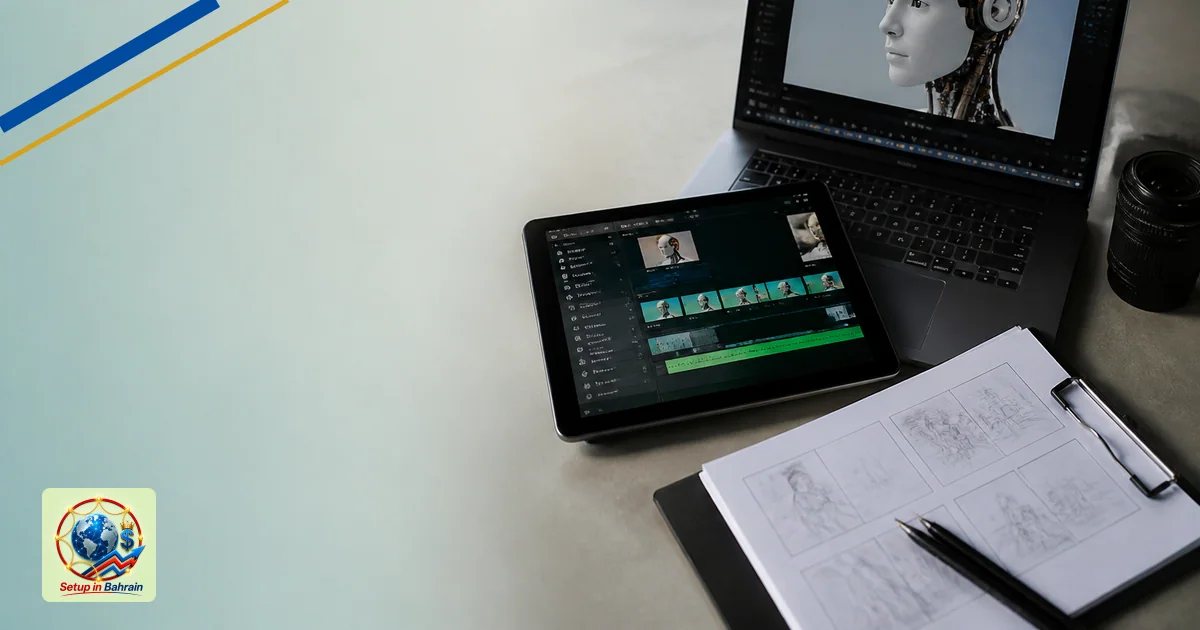
AI is Hollywood’s new star, reshaping jobs on and off screen
Artificial intelligence is increasingly used to create and edit film and television content, from script ideas to CGI visuals. This shift affects writers, actors, designers, technicians, and studios adapting to new workflows. The story examines what changed, who is affected, and what people can do next.
What changed as AI enters film and TV
Recent demonstrations show AI systems can generate or alter scenes, mimic voices, and draft scripts or storyboards with less manual input. This accelerates production and can lower costs, but it also raises questions about originality, compensation, and consent from those whose likeness or work might be used. In Cannes and other industry events, studios and startups have shown AI-enabled performances and editing workflows that blur lines between human craftsmanship and computer-generated effects.
Who is affected by AI in Hollywood
Multiple groups are impacted.Creative workerslike writers and actors may face new contracts or copyright questions about AI-generated likenesses or dialogue.Technical crewsincluding editors, VFX artists, and animators may work with AI tools to speed up tasks.Studios and production companiesmay adopt AI to cut costs or accelerate timelines, which could change demand for certain roles. The impact varies by contract, union rules, and local regulations around intellectual property and consent.
Practical next steps for workers and studios
Key actions include:
- Review current contracts and union guidance about AI use and compensation for AI-assisted or generated work.
- Develop clear policies on how AI can be used for likenesses, voices, and sourced material, including opt-out options for performers who don’t want to be replicated.
- Ensure transparency in credits when AI tools contribute to the final product.
- Invest in reskilling for technicians to work effectively with AI tools, while preserving core craftsmanship.
- Monitor regulatory developments about AI in media to stay compliant with copyright and labor laws.
Limits and questions to watch
AI tools can speed up tasks but may not replace all human input or judgment. Important questions include how royalties are handled for AI-generated content, who owns AI-created elements, and how consent is obtained for using someone’s voice or image. Industry players are still testing best practices, and public policy is evolving. Consumers should watch for announcements about new guidelines and union agreements that address these topics.
Which sources did Setup in Bahrain review?
Setup in Bahrain reviewed the following source material before preparing this explanatory article.
The links remain visible so readers can inspect the evidence, compare dates and context, and confirm current requirements with the relevant authority.
- fortune.com — evidence source reviewed for this article.
Information and responsibility notice: This article is general information based on the cited material available when published. It is not legal, tax, immigration, medical, financial, banking, or investment advice; it does not create a professional-client relationship; and it is not a guarantee of outcome, availability, accuracy, or eligibility. Rules, schedules, prices, and third-party information can change. Confirm material decisions with the relevant authority and an appropriately qualified adviser before acting.