
Drones, thermal imaging and LiDAR reshape NZ building inspections
New Zealand building inspections are increasingly using drones, infrared thermal imaging, LiDAR laser scanners, and AI software. These tools help inspectors spot issues like hidden moisture and insulation gaps that aren’t visible to the naked eye, potentially affecting buyers and homeowners.
What’s changing in inspections
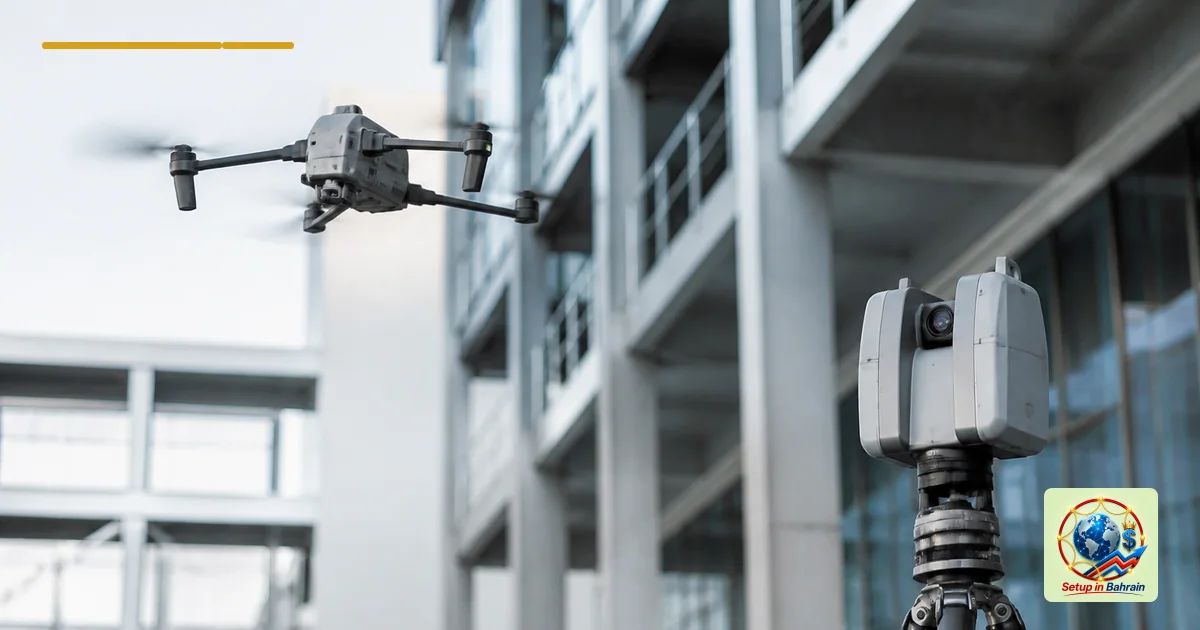
Traditionally an inspector used basic tools like a flashlight, ladder, and moisture meter. Now, inspectors may use drones to capture exterior and roof areas, infrared cameras to map temperature differences, and LiDAR scanners to create detailed 3D models of a building’s layout. AI-assisted software helps analyse data from these tools to identify potential problems. These methods provide a broader set of clues about a building’s condition, especially around hidden moisture and insulation gaps.
Key facts for buyers and homeowners
- Thermal imaging highlights temperature differences that can indicate dampness behind walls or insulation gaps. This can point to hidden moisture that may lead to future damage if not addressed.
- LiDAR creates precise 3D models of a building, helping inspectors document structural features and potential accessibility or moisture risks.
- Drones allow safer, broader views of roofs and external structures, which are harder to inspect from the ground.
- In New Zealand, dampness and “leaky homes” have made moisture detection especially important for buyers and long-term maintenance planning.
Who is affected
Home buyers, sellers, and owners are the primary audiences. The technology can influence decision-making by providing clearer visibility of issues that may affect value, repair costs, and future energy efficiency. Real estate professionals and inspectors are also affected, as their workflows increasingly blend traditional skills with data from sensors, cameras, and software.
Practical next steps
- Ask inspectors which tools they use (thermal imaging, LiDAR, drones) and whether results include clear explanations of what is seen and what it could mean for the property’s condition.
- Request a written report that highlights any visible moisture, insulation gaps, or structural concerns, and asks clarifying questions about any findings.
- If issues are found, obtain ballpark repair costs and consider a specialist’s assessment before finalizing a purchase or renovation plan.
- Consider energy-efficiency improvements based on thermal findings, such as improving insulation or sealing air leaks, to reduce future heating costs.
- Check whether the local market or regulatory bodies have guidance on the use of these technologies for property inspections.
Limits and questions to ask
Technology aids inspection but does not replace trained judgment. Thermal images show temperature differences, not definitive diagnoses, and can be affected by external factors like weather. LiDAR and drones provide data that require interpretation by qualified professionals. When evaluating a report, ask for:
- Clear interpretations of what thermal differences could mean for moisture or insulation in your specific property.
- Examples of findings from similar homes and how they were addressed.
- Details on data sources, timing of scans, and any parts of the property that were not accessible during inspection.
Which sources did Setup in Bahrain review?
Setup in Bahrain reviewed the following source material before preparing this explanatory article.
The links remain visible so readers can inspect the evidence, compare dates and context, and confirm current requirements with the relevant authority.
- futurefive.co.nz — evidence source reviewed for this article.
Information and responsibility notice: This article is general information based on the cited material available when published. It is not legal, tax, immigration, medical, financial, banking, or investment advice; it does not create a professional-client relationship; and it is not a guarantee of outcome, availability, accuracy, or eligibility. Rules, schedules, prices, and third-party information can change. Confirm material decisions with the relevant authority and an appropriately qualified adviser before acting.