
AI Agents as Gatekeepers in Marketing: What Changes Now
AI agents are increasingly taking roles that shape how marketing is planned, approved, and delivered. This explainer breaks down what changed, who is affected, and what to do next, using plain language and direct sources.
What changed in marketing with AI agents
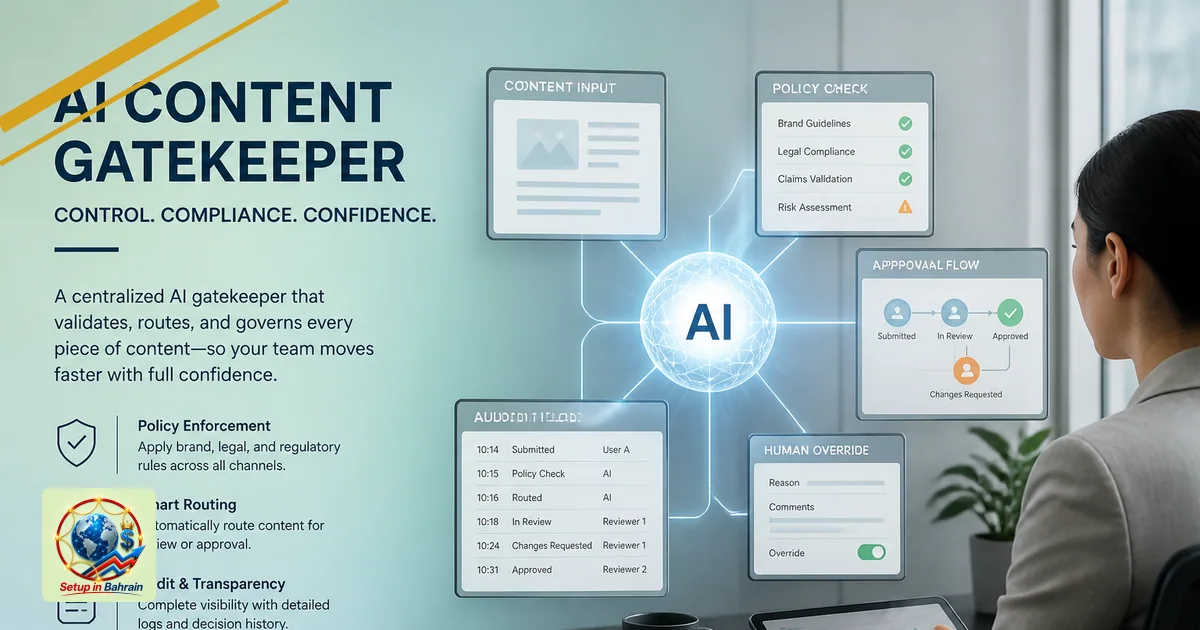
AI agents are software systems that can help create, approve, optimize, and deploy marketing content with limited human review. The idea is that these agents can act as gatekeepers, deciding what messages reach audiences, based on predefined goals, data, and rules. This shifts some decision-making from humans to automated systems, potentially speeding campaigns but also raising questions about oversight, bias, and accountability. The reference material describes AI agents as increasingly serving as the new gatekeepers in marketing workflows, meaning they can influence which ads run, what content is shown, and how campaigns are adjusted in real time.
Key facts you should know
• AI agents function as decision-makers within marketing systems, applying criteria from campaign goals, legality, and brand guidelines to content and placement decisions.
• They can speed up decision loops but may reduce or change human review in approving materials.
• The shift raises questions about transparency (why a decision was made), accountability (who is responsible for outcomes), and bias (whether automated rules unfairly affect certain audiences).
• Organizations may need new governance, monitoring, and audit trails to track automated decisions and ensure compliance.
Who is affected
Marketing teams, creative professionals, and brand managers may interact more with AI agents and rely on them for content approval and optimization. Advertisers and platforms could see faster deployment cycles. Consumers might experience more personalized or constrained messaging depending on how rules are set. Regulators and researchers may scrutinize these systems for fairness and accountability. The source describes a broader shift toward AI-enabled control in marketing environments.
Practical next steps for readers
For organizations: establish clear governance around AI agents, including decision logs, human override options, and bias checks. Document the criteria used by agents and ensure compliance with advertising rules and privacy protections. For marketers: maintain human review for high-risk content and ensure brand safety guidelines are up to date. For consumers: seek transparency on why certain ads or messages are shown to you and how your data may influence them. Consider questions you can ask about automated decisions in marketing, such as the rationale behind a rejection or approval of content, and who can contest or review it.
Which sources did Setup in Bahrain review?
Setup in Bahrain reviewed the following source material before preparing this explanatory article.
The links remain visible so readers can inspect the evidence, compare dates and context, and confirm current requirements with the relevant authority.
- europeanbusinessreview.com — evidence source reviewed for this article.
Information and responsibility notice: This article is general information based on the cited material available when published. It is not legal, tax, immigration, medical, financial, banking, or investment advice; it does not create a professional-client relationship; and it is not a guarantee of outcome, availability, accuracy, or eligibility. Rules, schedules, prices, and third-party information can change. Confirm material decisions with the relevant authority and an appropriately qualified adviser before acting.