
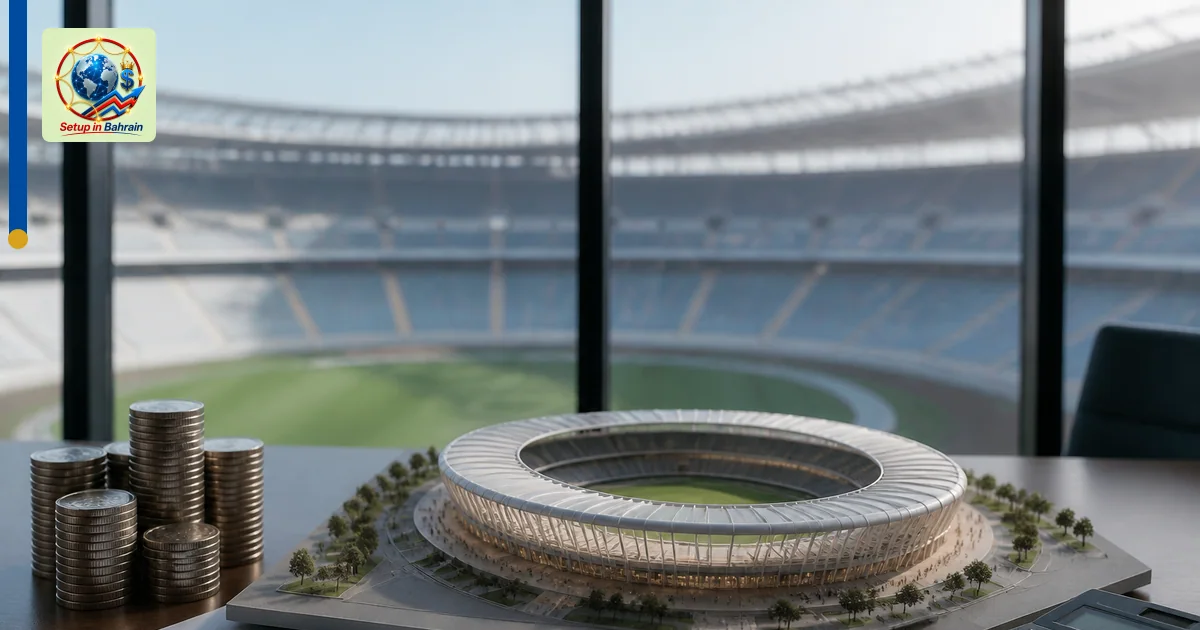
Investment planned for Olimpico stadium; 70,000 seats and year-round business model
A reported 150 million euro plan aims to upgrade Rome’s Olimpico Stadium so it can host UEFA Euro 2032 matches and operate as a modern, year‑round venue. The project would expand capacity beyond 70,000 seats and include technology, accessibility, and commercial improvements designed to generate value throughout the year.
What is changing at the Olimpico stadium
The plan envisions a full redevelopment of the stadium’s external areas, seating bowl (cavea), stands, internal spaces, and the plant system. The target is to exceed 70,000 spectators and implement a reorganized access system, improved sightlines, and greater accessibility. New features include LED large screens, hospitality and premium spaces, corporate areas, food and beverage outlets, commercial areas, and merchandise spaces to support ongoing use beyond football matches.
Key facts you should know
• Estimated cost: about 150 million euros.
• Purpose: upgrade to UEFA standards and establish a venue that operates year‑round.
• Potential use: integration with UEFA Euro 2032 as a host site, including the final match.
• Scope: covers the entire stadium complex, including external areas and internal systems.
Who is affected by the plan
The primary effect is on the stadium’s operators, sponsors, and businesses that rely on events and stadium services. Local supporters could see expanded capacity and improved facilities. The plan is coordinated by Sport e Salute with the Italian football federation (FIGC) and a government coordination structure for Euro 2032 projects, which suggests official oversight and alignment with national investment plans.
Practical next steps for readers
If you are an event attendee or local resident, monitor official project updates from Sport e Salute and FIGC for timelines and access changes. For potential investors or operators, note the emphasis on a diversified, year‑round business model beyond football; this may affect licensing, partnerships, and commercial opportunities tied to the stadium. Stakeholders should prepare for enhanced facilities, expanded seating, and new revenue streams as works progress.
Limits and questions to consider
The available descriptions outline the scope and goals but do not detail funding sources, construction schedules, or potential temporary closures. Questions to ask include: exact start and completion dates, how access will be managed during works, which events will be prioritized, and how the new venues’ operating model will integrate with existing clubs and partners.
Which sources did Setup in Bahrain review?
Setup in Bahrain reviewed the following source material before preparing this explanatory article.
The links remain visible so readers can inspect the evidence, compare dates and context, and confirm current requirements with the relevant authority.
- ilfattonisseno.it — evidence source reviewed for this article.
- lecodellitorale.it — evidence source reviewed for this article.
Information and responsibility notice: This article is general information based on the cited material available when published. It is not legal, tax, immigration, medical, financial, banking, or investment advice; it does not create a professional-client relationship; and it is not a guarantee of outcome, availability, accuracy, or eligibility. Rules, schedules, prices, and third-party information can change. Confirm material decisions with the relevant authority and an appropriately qualified adviser before acting.