
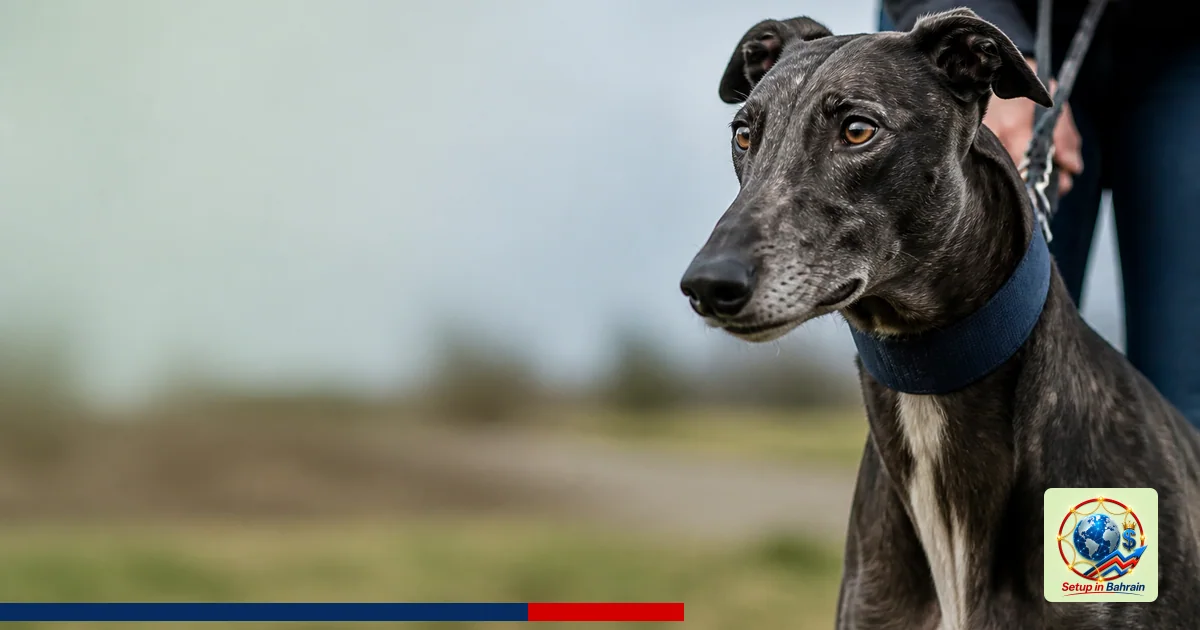
Rehoming Ex-Racing Greyhounds in Wales: What Changes, Who’s Affected, and Next Steps
Wales has moved to ban greyhound racing, with a transition period to wind down the industry and rehome dogs currently in training or racing. This explainer outlines what changed, who is affected, and what people can do next to help or adopt responsibly.
What changed and why it matters
The Senedd approved the Prohibition of Greyhound Racing (Wales) Bill on 17 March 2026, making it illegal to operate greyhound tracks or hold races in Wales. The ban is set to take full effect between April 2027 and April 2030, allowing the industry to wind down and giving time to rehome dogs currently in training or in racing. The change aims to end commercial greyhound racing in Wales. While the bill is Welsh law, Scotland recently considered similar measures, reflecting broader welfare concerns about racing.
Who is affected
Potential beneficiaries include hundreds of greyhounds currently registered at the last remaining track in Wales (around 360 dogs noted in the source), rescue and rehoming services, and prospective adopters seeking low-maintenance, calm companion animals. Dog welfare professionals emphasize that ex-racing greyhounds can adapt well to home life, but they may need careful introductions and training. The wind-down period will matter for rescue groups as they plan capacity and resources for rehoming. Adopters should be aware that dogs come from racing backgrounds and may have specific needs around exercise, routine, and veterinary care during the transition.
Practical next steps for readers
If you are considering adopting a former racing greyhound, contact local rescue groups or breed-specific rehoming charities to learn about available dogs and their needs. For current or prospective volunteers, offer time or resources to assist with rehoming drives, transport, or behavioral support. If you own a greyhound or similar greyhound-type dog, monitor behavior during the wind-down period and seek veterinary or behavioral advice if concerns arise. For community members and policymakers, stay informed about rehoming capacity, funding for shelters, and guidance from welfare organizations to ensure a smooth transition for dogs and families alike.
Limits and questions to monitor
The article describes a planned wind-down and rehoming emphasis, but it does not specify every local change or funding detail. Questions readers may have include how wind-down funding will be allocated, how many dogs will need homes each year during 2027-2030, and what support shelters will receive. For up-to-date guidance, follow statements from Welsh government, rescue groups, and welfare charities involved in greyhound rehoming. Always verify details with official sources before making commitments or decisions.
Which sources did Setup in Bahrain review?
Setup in Bahrain reviewed the following source material before preparing this explanatory article.
The links remain visible so readers can inspect the evidence, compare dates and context, and confirm current requirements with the relevant authority.
- nation.cymru — evidence source reviewed for this article.
Information and responsibility notice: This article is general information based on the cited material available when published. It is not legal, tax, immigration, medical, financial, banking, or investment advice; it does not create a professional-client relationship; and it is not a guarantee of outcome, availability, accuracy, or eligibility. Rules, schedules, prices, and third-party information can change. Confirm material decisions with the relevant authority and an appropriately qualified adviser before acting.