
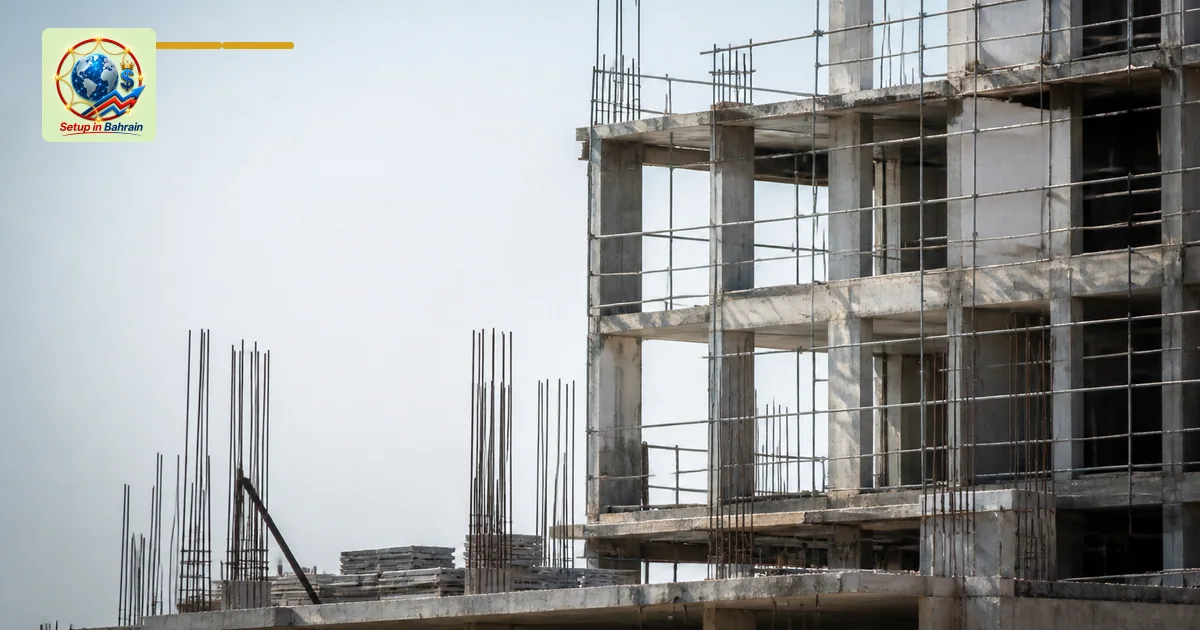
Italy Construction Output Falls 1.4% in July
Italy’s construction sector shrank again in July, marking a second consecutive monthly decline. The figures come from Istat, Italy’s national statistics agency, and reflect activity across building and civil engineering projects. This explainer explains what happened, who is affected, and practical steps for readers who rely on construction activity, policy signals, or related markets.
What changed in July
Construction production in July fell 1.4% compared with June, according to provisional data from Istat. In short: overall activity was lower in July versus both June and the previous year.
Key facts to know
- Definition: Construction output covers total value added from construction activities, including new building and major renovations.
- Source: Istat, Italy’s official statistics office, with provisional July readings.
- Timing: July data reflect activity in the month and may be revised as more information becomes available.
- Context: Monthly declines can reflect seasonal patterns and demand swings; the year-over-year drop indicates a slower pace relative to the previous year.
Who is affected
Impacted groups include construction firms, subcontractors, and suppliers who rely on ongoing projects. Builders may face tighter cash flow if new orders slow. Workers in construction trades could experience fewer new contracts, though the data do not specify employment changes. Public sector projects and private developers planning large-scale work may adjust timelines in response to softer output signals.
Practical next steps
- Industry players: Review project pipelines and adjust procurement plans to align with expected demand slowly improving or stable from month to month.
- Policymakers and economists: Monitor Istat revisions and other leading indicators (permits, orders) to gauge longer-term trend trends beyond July’s snapshot.
- Investors and lenders: Consider the monthly volatility in construction as part of broader sector risk assessments rather than a single data point.
Limits and questions
These figures are provisional and may be revised. They cover construction output broadly but do not measure employment changes or regional differences in detail. Questions to watch include whether declines persist in coming months, how input costs and financing conditions influence activity, and how large projects or public spending plans affect the sector later in the year.
Which sources did Setup in Bahrain review?
Setup in Bahrain reviewed the following source material before preparing this explanatory article.
The links remain visible so readers can inspect the evidence, compare dates and context, and confirm current requirements with the relevant authority.
- finanznachrichten.de — evidence source reviewed for this article.
Information and responsibility notice: This article is general information based on the cited material available when published. It is not legal, tax, immigration, medical, financial, banking, or investment advice; it does not create a professional-client relationship; and it is not a guarantee of outcome, availability, accuracy, or eligibility. Rules, schedules, prices, and third-party information can change. Confirm material decisions with the relevant authority and an appropriately qualified adviser before acting.