
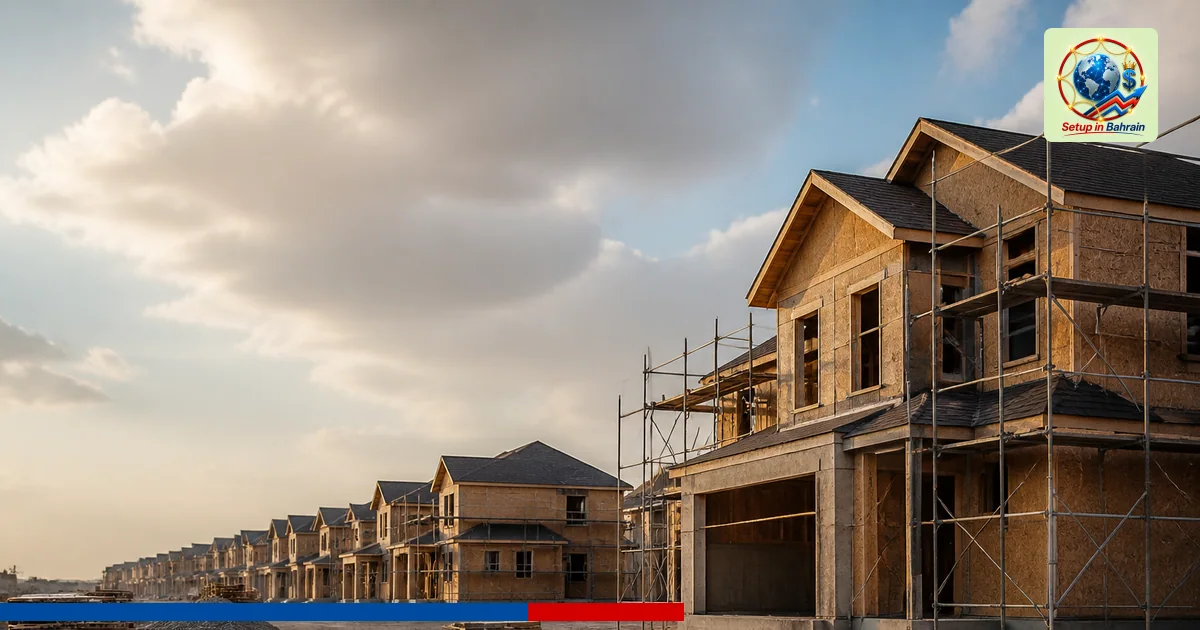
What the housing shortage looks like when new single-family inventories rise
The latest Census Bureau data show inventories of new single-family homes at various stages of construction have climbed, while sales of new homes remain weak and prices soften. This explainer breaks down what happened, who is affected, and practical next steps for readers tracking housing markets.
What changed in the housing market
Inventory of new single-family homes at all stages of construction rose year-over-year, reaching 487,000 units (not seasonally adjusted). That is up about 50% from August 2019 and about 72% from August 2020, according to Census Bureau data cited by the source. In other words, builders have more homes in the pipeline than in previous years.
Meanwhile, sales of new homes have remained well below levels seen during the 2005–2007 peak era. The combination of higher supply and slower demand is leading to longer times on the market and pressure on prices in some areas.
These patterns are sometimes described in shorthand as a "housing shortage". In this context, the term is used by industry commentators to argue for higher prices, but the data show inventories are growing even as demand is not keeping pace.
Who is affected by these shifts
Potential homebuyers may face more opportunities to choose among new homes, but still contend with financing, mortgage rates, and neighborhood prices. Builders and suppliers may see longer wait times to move new homes from construction to sale as demand softens. Real estate professionals may adapt by adjusting pricing, promotions, and timelines to attract buyers. The report notes that inventories rose across stages of construction, which can influence the availability of turnkey homes versus those still being built.
Practical next steps for readers
For buyers: monitor how long new homes stay on the market and watch for price adjustments or incentives from builders. Consider conversations with lenders about rate locks and options if you are timing a purchase.
For homeowners considering upgrading: rising inventories can expand options if you plan to move within the same market, but assess whether price trends and moving costs align with your plans.
For policymakers and researchers: track how inventory levels relate to affordability and housing starts, and examine regional differences where supply might outpace or lag demand.
Which sources did Setup in Bahrain review?
Setup in Bahrain reviewed the following source material before preparing this explanatory article.
The links remain visible so readers can inspect the evidence, compare dates and context, and confirm current requirements with the relevant authority.
- wolfstreet.com — evidence source reviewed for this article.
Information and responsibility notice: This article is general information based on the cited material available when published. It is not legal, tax, immigration, medical, financial, banking, or investment advice; it does not create a professional-client relationship; and it is not a guarantee of outcome, availability, accuracy, or eligibility. Rules, schedules, prices, and third-party information can change. Confirm material decisions with the relevant authority and an appropriately qualified adviser before acting.