
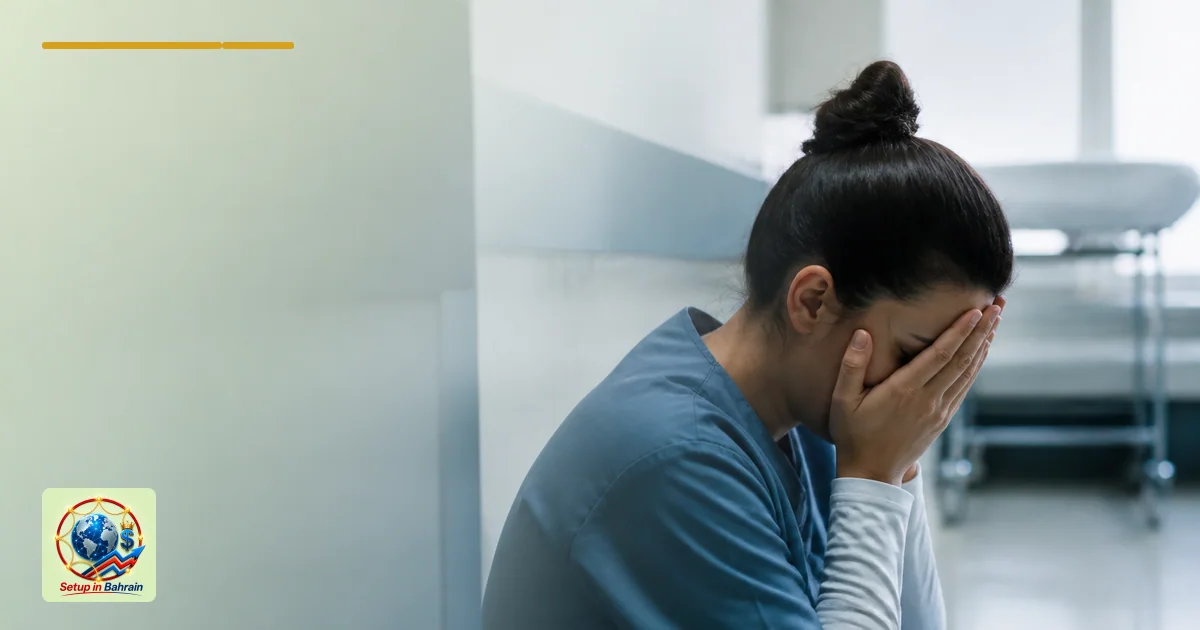
Healthcare worker abuse cases nearly double in two years in Singapore
Public healthcare workers in Singapore reported nearly twofold increases in abuse and harassment over two years, with about 4,200 cases in 2025 and 13% serious enough to be reported to the police. Authorities say clearer definitions, reporting channels, and staff training are part of the response to protect workers and sustain a respectful environment for both staff and patients.
What changed
Reported cases of abuse and harassment against healthcare workers in Singapore’s public sector rose from about 2,200 in 2023 to 4,200 in 2025. A minority of cases (around 13%) were reported to the Police as serious incidents. A government-supported framework created in 2023 aims to define what counts as abuse, measure severity, and guide actions by employers and staff. This framework includes de-escalation training and self-defence awareness for workers, and clearer protection measures when abuse occurs.
Key facts
What happened: The number of reported abuse and harassment cases against public healthcare workers roughly doubled in two years. Who is affected: staff in public hospitals and clinics who interact with patients and their families. Severity and reporting: around 13% of cases were serious enough to be reported to the Police; most remain within workplace reporting channels. Why it matters: higher reporting suggests growing awareness and willingness to speak up, not necessarily a near-term change in every encounter.
Who is affected
The workers targeted include nurses, doctors, and other staff in the public healthcare system who provide direct patient care and administrative support. Patients and their families may indirectly experience the environment’s tone, though the focus of the data is on staff reports of abuse and harassment. The reporting framework aims to protect staff while maintaining safe, respectful care for patients.
Practical next steps
For staff: participate in de-escalation and safety training; use established reporting channels when abuse occurs; seek support from supervisors and security if needed. For patients and families: engage with healthcare teams respectfully to support smooth care. For employers and policymakers: continue implementing the tripartite framework that defines abuse, tracks severity, and guides timely action; monitor trends to evaluate whether training and protections reduce incidents over time.
Limits and questions
The available data describe reported cases in Singapore’s public sector and may not cover private facilities or unreported incidents. The exact definitions of abuse, harassment, and severity depend on the implemented framework. Ongoing updates from health authorities will clarify how reporting rates relate to actual incidences and whether protections evolve to reduce risk for workers.
Which sources did Setup in Bahrain review?
Setup in Bahrain reviewed the following source material before preparing this explanatory article.
The links remain visible so readers can inspect the evidence, compare dates and context, and confirm current requirements with the relevant authority.
- channelnewsasia.com — evidence source reviewed for this article.
- straitstimes.com — evidence source reviewed for this article.
Information and responsibility notice: This article is general information based on the cited material available when published. It is not legal, tax, immigration, medical, financial, banking, or investment advice; it does not create a professional-client relationship; and it is not a guarantee of outcome, availability, accuracy, or eligibility. Rules, schedules, prices, and third-party information can change. Confirm material decisions with the relevant authority and an appropriately qualified adviser before acting.