
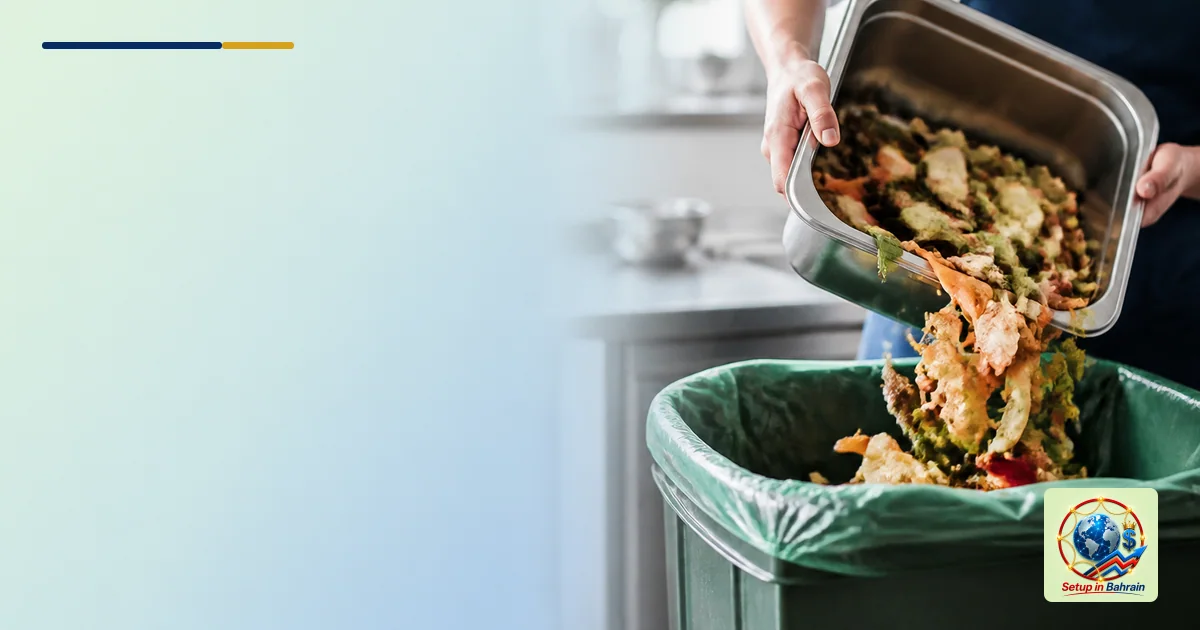
Detroit scrap soils program turns food waste into compost to cut emissions
Detroit residents and businesses can participate in a weekly composting pickup program that converts food scraps into nutrient-rich soil. The effort, led by the Scrap Soils nonprofit, partners with Sanctuary Farms to process waste and reduce methane from landfills. This explainer covers what happened, who is affected, and practical next steps, with plain explanations of the science behind composting and emissions.
What changed and why it matters
Scrap Soils is a nonprofit that collects kitchen scraps weekly from homes and businesses in the Detroit area and sends them to Sanctuary Farms for composting. The goal is to divert waste from landfills, where decomposing food releases methane, a potent greenhouse gas. Composting returns nutrients to soil and can help reduce overall emissions linked to waste disposal.
Who is affected
The program targets residents and local businesses that generate food waste in Metro Detroit. By participating, households and companies provide feedstock (food scraps) for composting, which benefits urban soil health and aligns with climate goals. Local partners and workers collect and process the scraps, creating jobs and supporting community sustainability efforts.
Practical next steps for readers
If you are interested in joining Scrap Soils or learning more, check for local pickup schedules and sign-up details with the nonprofit. Prepare scraps by keeping them in a lidded bin to minimize odors, and separate materials that can be composted from unrecyclable waste. For a quick read on why composting helps: when food waste sits in landfills, it breaks down and releases methane; composting accelerates that process in a controlled way and enriches soil when used as compost.
Limits and questions to consider
Details such as exact pickup days, geographic coverage, and participation costs were not specified in the available sources. Readers should verify current program availability, rules for what can be composted, and any service fees or eligibility requirements with Scrap Soils or Sanctuary Farms. If methane reduction targets are important, look for local city or environmental group data on emissions from waste management and how the program contributes to those metrics.
Which sources did Setup in Bahrain review?
Setup in Bahrain reviewed the following source material before preparing this explanatory article.
The links remain visible so readers can inspect the evidence, compare dates and context, and confirm current requirements with the relevant authority.
- wrif.com — evidence source reviewed for this article.
- 1051thebounce.com — evidence source reviewed for this article.
Information and responsibility notice: This article is general information based on the cited material available when published. It is not legal, tax, immigration, medical, financial, banking, or investment advice; it does not create a professional-client relationship; and it is not a guarantee of outcome, availability, accuracy, or eligibility. Rules, schedules, prices, and third-party information can change. Confirm material decisions with the relevant authority and an appropriately qualified adviser before acting.