
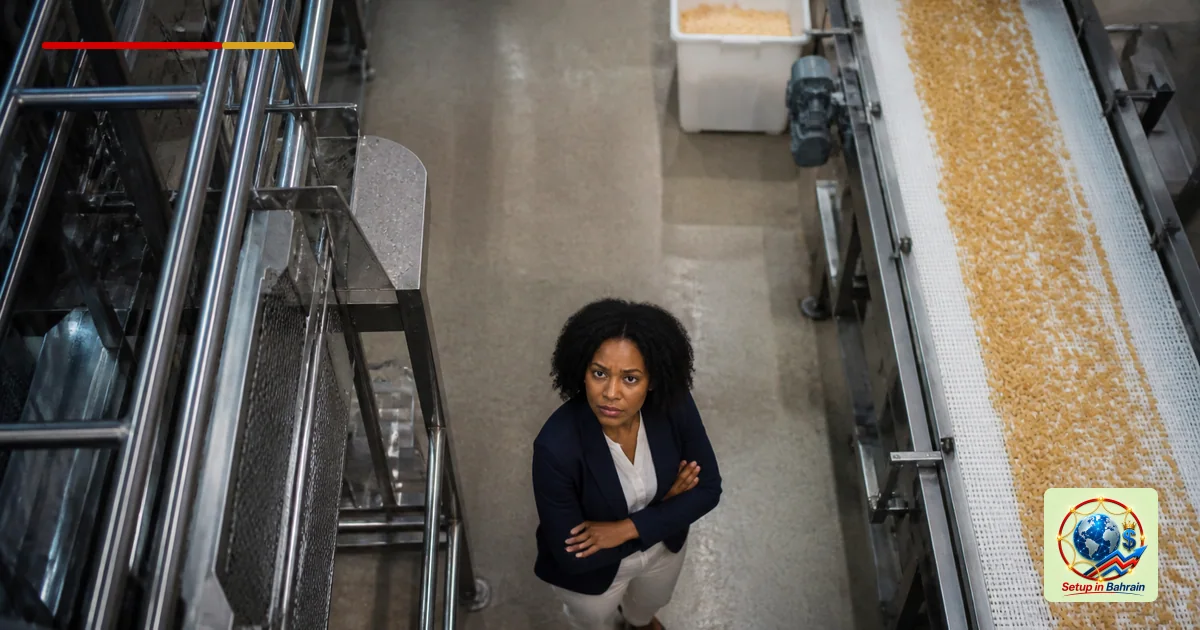
Black women face systemic roadblocks in food industries, study finds
Recent reporting and scholarly work highlight persistent barriers for Black women in food-related industries, from farming and processing to hospitality and culinary leadership. The findings point to limited data, slower access to capital, and fewer opportunities for advancement compared with peers. This explainer condenses the issue for non-specialists, explains who is affected, and outlines practical next steps for stakeholders and policymakers.
What is happening
New research and reporting indicate that Black women in food industries face systemic obstacles that affect data visibility, access to capital, and leadership opportunities. The cited article describes gaps in information about Black women-owned or -led food businesses and notes that existing data often do not capture this group well. It also summarizes anecdotal experiences of individuals trying to start or grow food-related enterprises in a market with limited targeted support.
Who is affected
Women who are Black and work in or own businesses in food sectors are specifically discussed. This includes owners of Black-women-led restaurants, caterers, farms, and food product companies, as well as professionals in hospitality and academia related to food business. The issues described are about access to information, funding, networks, and leadership roles that influence career progression and business growth.
Practical next steps
For policymakers and funders: improve data collection to accurately capture intersections of race and gender in food industries; fund mentorship and loan programs targeted at Black women entrepreneurs; encourage inclusive hiring and leadership pipelines in food businesses. For researchers and educators: incorporate questions that identify Black women’s experiences in data sets and curricula; share best practices for inclusive business development. For industry groups and advocates: publish transparent benchmarks on representation, support access to capital, and create accelerator programs that address unique challenges faced by Black women in food sectors.
Limits and questions
Reported findings rely on interviews, institutional notes, and a limited set of data sources. It is not stated how broadly the patterns apply across all food industries or geographies. Readers should consider whether local context, such as regional markets or specific subsectors, may yield different experiences. Additional research could clarify how large the gaps are in data and what concrete funding or policy changes most effectively improve representation and advancement for Black women in these industries.
Which sources did Setup in Bahrain review?
Setup in Bahrain reviewed the following source material before preparing this explanatory article.
The links remain visible so readers can inspect the evidence, compare dates and context, and confirm current requirements with the relevant authority.
- phys.org — evidence source reviewed for this article.
Information and responsibility notice: This article is general information based on the cited material available when published. It is not legal, tax, immigration, medical, financial, banking, or investment advice; it does not create a professional-client relationship; and it is not a guarantee of outcome, availability, accuracy, or eligibility. Rules, schedules, prices, and third-party information can change. Confirm material decisions with the relevant authority and an appropriately qualified adviser before acting.