
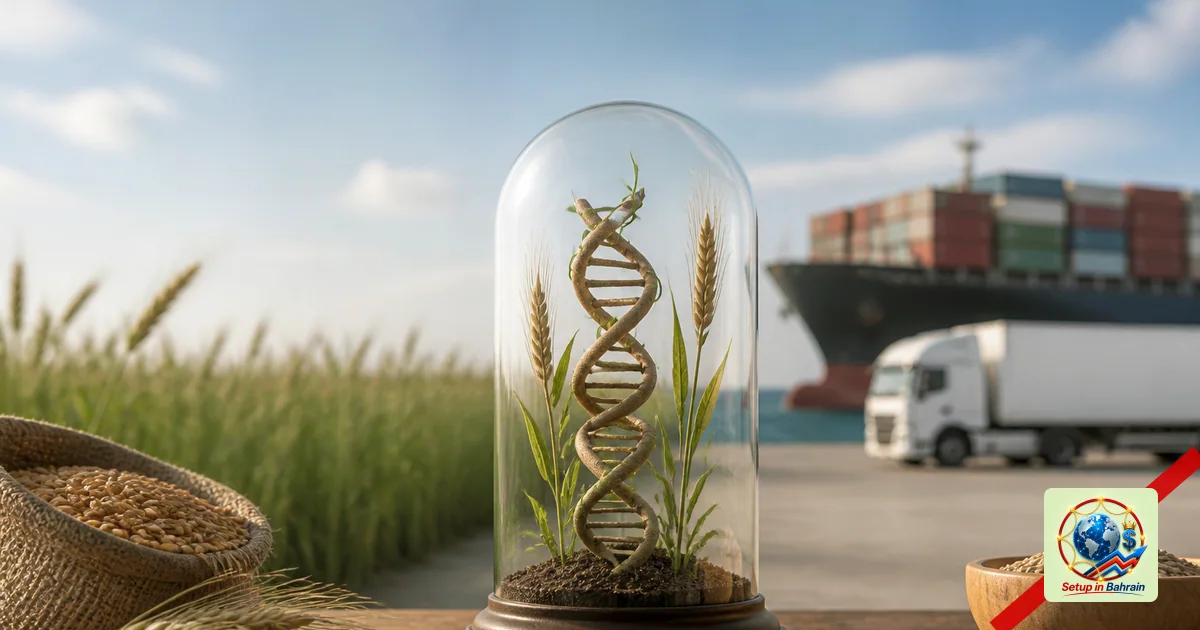
Ancient wheat and barley genes may guide climate-adaptive breeding
Scientists have reconstructed ten ancient genomes related to modern wheat and barley to identify gene variants that helped these crops endure past climate changes. The work suggests specific genes retained over thousands of years could inform breeding for drought and heat tolerance today. Researchers also released open tools to help scientists and plant breeders apply these findings.
What the discovery is
Researchers reconstructed ten paleogenomes—ancient versions of the plants that are ancestors to 84 crop species. By comparing these with modern wheat and barley, they pinpointed around a hundred gene variants that repeatedly helped these crops cope with changing climates over about 10,000 years of domestication and selection by humans. The work highlights specific genes that persisted across species and time, which may influence traits such as how plants manage water and heat stress.
Key facts for readers
- Ancient genomes linked to modern wheat and barley were reconstructed to study long-term plant adaptation.
- About a hundred gene variants were identified as potentially important for climate resilience.
- The study spans roughly 10,000 years of domestication and human cultivation.
- Open-access tools were developed to help scientists and breeders apply these insights.
- Published findings appear in peer-reviewed journals Molecular Plant and Nature Plants.
Who is affected
The potential impact centers on farmers and crop researchers. If breeders can use the identified gene variants, new wheat and barley varieties could be more tolerant to drought and heat, which affect yields in many regions. The work itself involves scientists and plant-breeding institutions that develop and test crop varieties.
Practical next steps for readers
- Researchers and breeders can use the open-tools mentioned to study the identified gene variants in their own crops.
- Agriculture policymakers and extension services may monitor new varieties that emerge from this research for resilience traits.
- Farmers could see longer-term benefits if climate-resilient varieties are adopted and supported by appropriate agronomic practices.
- Further field tests are needed to confirm how these ancient gene variants perform under current and future climates.
Limits and questions
While the study highlights gene variants linked to historical climate adaptation, translating these findings into new commercial varieties requires extensive testing for yield, disease resistance, and other agronomic traits. The specific practical outcomes for any given region depend on local climates, soils, and farming systems. No immediate changes to farming practices are implied without validation in field conditions.
Which sources did Setup in Bahrain review?
Setup in Bahrain reviewed the following source material before preparing this explanatory article.
The links remain visible so readers can inspect the evidence, compare dates and context, and confirm current requirements with the relevant authority.
- scientificinquirer.com — evidence source reviewed for this article.
Information and responsibility notice: This article is general information based on the cited material available when published. It is not legal, tax, immigration, medical, financial, banking, or investment advice; it does not create a professional-client relationship; and it is not a guarantee of outcome, availability, accuracy, or eligibility. Rules, schedules, prices, and third-party information can change. Confirm material decisions with the relevant authority and an appropriately qualified adviser before acting.