
Deschutes County projects cut energy use and methane emissions
Deschutes County is pursuing projects to reduce how much energy its systems use and to cut methane emissions from waste. The plan involves monitoring landfill gases and using controls to limit odors and pollution, with impacts for residents, businesses, and local government operations.
What changed and why
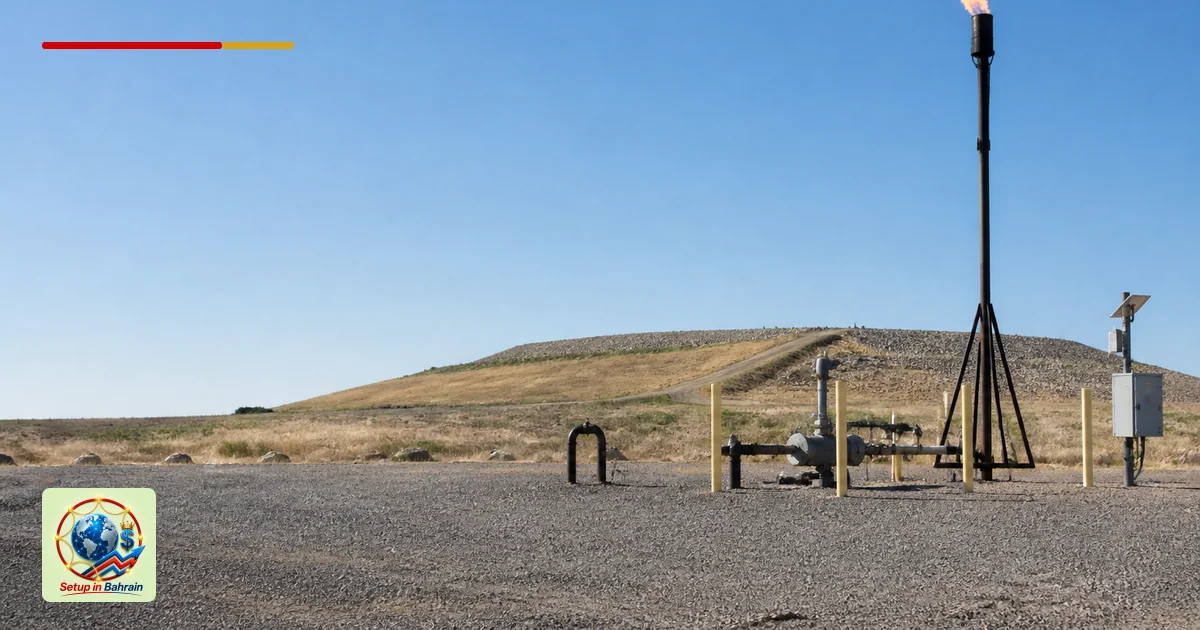
County officials announced initiatives focused on energy efficiency and methane capture at the Knott Landfill and other solid-waste operations. Methane is a greenhouse gas that can contribute to climate change and odors if not managed. The installations include gas wells and a flare system that burns collected methane to reduce emissions. The goal is to lower energy use in county facilities and reduce air pollution from waste processing.
Key facts for readers
- Methane from landfills can be captured and burned off to prevent release into the atmosphere and to reduce odors.
- Energy-use improvements are tied to equipment upgrades and better management of county facilities and waste sites.
- The Knott Landfill in Bend is a focal site for the gas-well and flare setup described by officials.
- Public health and environmental quality are the stated aims, with potential cost savings from more efficient operations.
Who is affected
Residents near the Knott Landfill and other waste facilities may notice changes in odors or air quality controls as gas management systems operate. County employees and contractors running the solid-waste and facilities departments will implement and monitor the equipment. Local businesses that use county services may see changes in energy efficiency measures and maintenance schedules.
Practical next steps
- Follow local notices for updates on landfill operations and any air-quality advisories.
- If you live near a landfill or waste site, report persistent odors or unusual emissions to the county’s solid-waste department.
- Businesses can review energy-use programs the county rolls out to see if any incentives or timelines affect them.
- For more background, check the county’s public communications or meeting minutes when available.
Limits and questions
Source materials describe intent and equipment in broad terms. Details on exact cost, timelines, and long-term environmental impact are not provided here. Readers may want to verify specifics with the Deschutes County solid-waste department or the county’s public information office for the latest project documents and schedules.
Which sources did Setup in Bahrain review?
Setup in Bahrain reviewed the following source material before preparing this explanatory article.
The links remain visible so readers can inspect the evidence, compare dates and context, and confirm current requirements with the relevant authority.
- bendbulletin.com — evidence source reviewed for this article.
- youroregonnews.com — evidence source reviewed for this article.
Information and responsibility notice: This article is general information based on the cited material available when published. It is not legal, tax, immigration, medical, financial, banking, or investment advice; it does not create a professional-client relationship; and it is not a guarantee of outcome, availability, accuracy, or eligibility. Rules, schedules, prices, and third-party information can change. Confirm material decisions with the relevant authority and an appropriately qualified adviser before acting.