
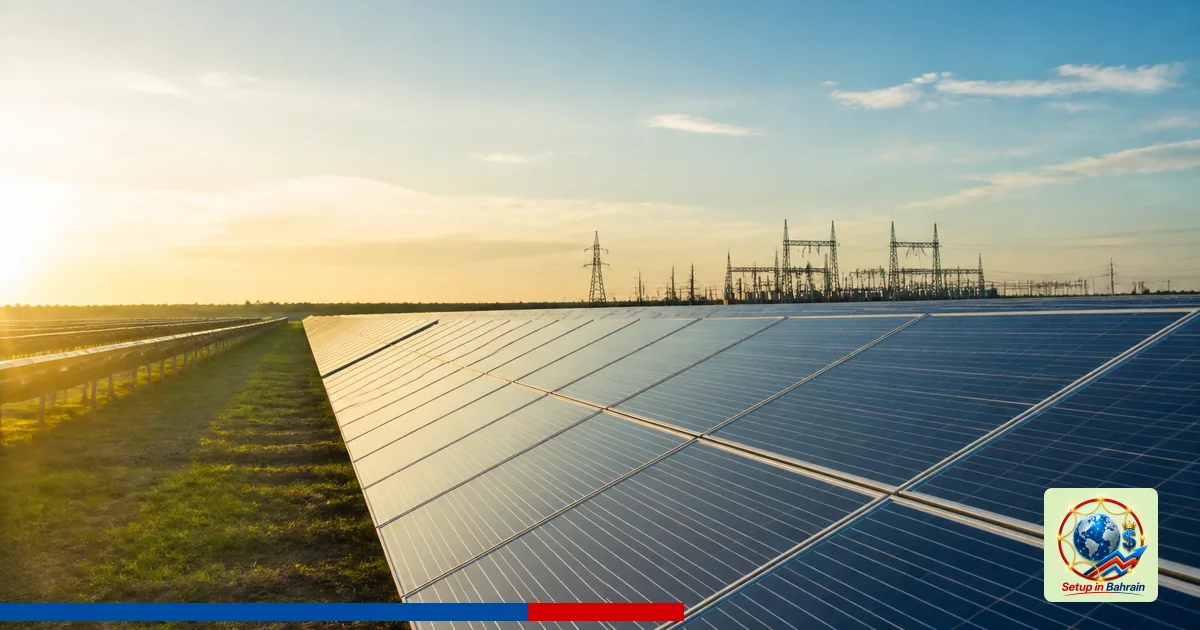
New Zealand's 150-MW solar farm joins grid after 450 acres of panels
The completion of a 150-megawatt solar farm on 450 acres near Hamilton marks a milestone for New Zealand, quickly feeding electricity into the national grid after the final panel was placed. The project demonstrates rapid progress from ground-breaking to electricity delivery and raises questions about how such solar capacity affects the grid and future energy plans.
What happened
A solar farm consisting of about 330,000 panels on 450 acres near Hamilton began feeding power into New Zealand’s national grid roughly two months after the last panel was installed. The project reached its full 150-megawatt output earlier than scheduled, moving from first steel to exported electricity in about 15 months. The site uses tracker rows, where panels tilt and rotate to follow the sun, connected to a high-voltage substation that lifts output to transmission levels before joining the grid.
Who is affected
The move adds capacity to New Zealand’s electricity system and provides a new source of solar power for consumers and businesses. Grid operators, utility planners, and local communities near Hamilton may experience changes in local energy mix and transmission flow. As a first large-scale solar farm of this kind in the country, it may influence plans for future solar projects and grid investments.
Practical next steps
Follow how the farm’s power is distributed through the grid and how it interacts with existing hydro resources and other generation. Monitor updates from the grid operator about stability, backup needs, and any transmission-line adjustments. If you’re a resident or business, consider your electricity options, potential price changes, and how solar capacity growth may affect energy reliability in your region.
Limits and questions
Details about testing, reliability, or long-term maintenance plans aren’t provided in the available material. The article describes the site’s scale, its rapid connection to the grid, and the technology involved (tracker rows and a high-voltage substation) but does not discuss environmental reviews, land-use conditions, or local-economic impact in depth.
Which sources did Setup in Bahrain review?
Setup in Bahrain reviewed the following source material before preparing this explanatory article.
The links remain visible so readers can inspect the evidence, compare dates and context, and confirm current requirements with the relevant authority.
- energiesmedia.com — evidence source reviewed for this article.
Information and responsibility notice: This article is general information based on the cited material available when published. It is not legal, tax, immigration, medical, financial, banking, or investment advice; it does not create a professional-client relationship; and it is not a guarantee of outcome, availability, accuracy, or eligibility. Rules, schedules, prices, and third-party information can change. Confirm material decisions with the relevant authority and an appropriately qualified adviser before acting.