
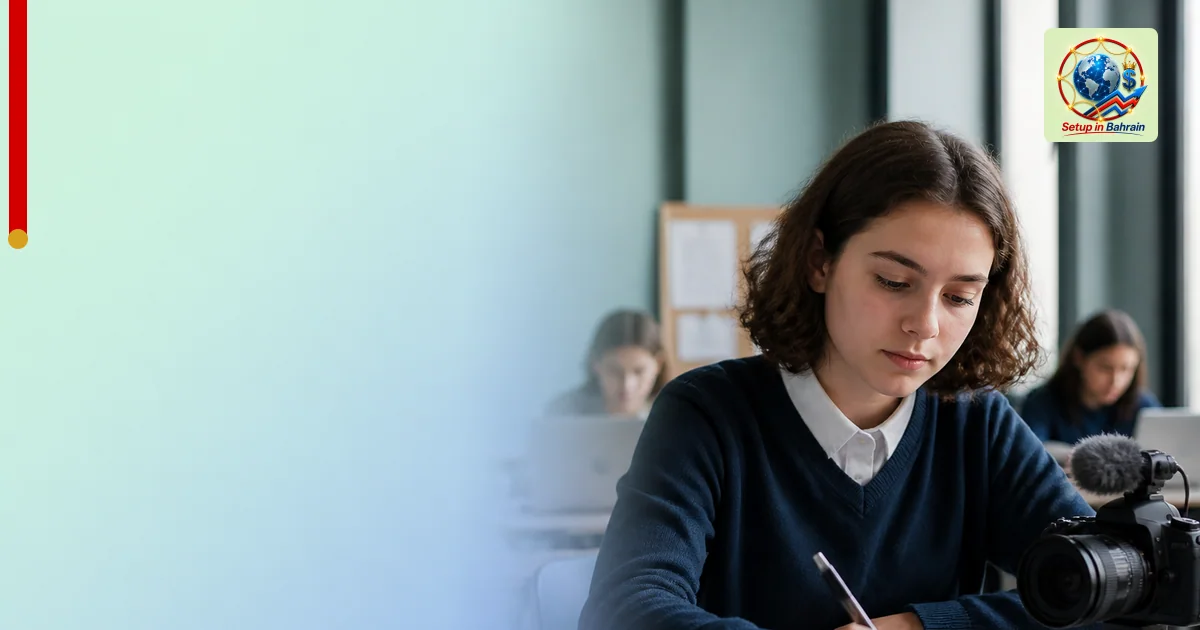
NYC high school journalism expands with new city funding
New York City is expanding high school journalism, backed by new funding from the City Council. Data show more schools offering journalism courses and more students taking them, tied to a city program and additional resources. This explainer clarifies what happened, who is affected, and practical next steps for families and educators.
What changed
In the 2025-26 school year, 135 NYC high schools offered at least one journalism course, up from about 90 the year before. About 5,700 students completed a journalism course in that year, a 76% increase over the previous year. The rise is linked to the City Council allocating $280,000 to support the NYC Youth Journalism Coalition’s program, called “Journalism for All.” The city expects the funding to be approved and implemented soon.
What this means in plain terms
The city is investing to expand high school journalism, meaning more schools can offer courses, more teachers can be supported, and more students can learn reporting, writing, and media skills. This aims to help students develop critical thinking and communication abilities. The reported figures come from city data and Chalkbeat’s coverage of the funding announcement.
Who is affected
High school students across all five boroughs who enroll in journalism courses will have more opportunities to study reporting, editing, and media ethics. Schools that previously offered limited or no journalism programs may begin offering courses as a result of the funding. Parents and guardians may see changes in course options and school-based journalism clubs and activities supported by the program.
Practical next steps
Families: check your child’s school course catalog or guidance office for journalism offerings in the coming school year. If a program is new or expanding, ask about enrollment steps and any prerequisites. Educators: schools may apply for additional support and professional development tied to the funding; stay tuned for program details and timelines. For students: participating in journalism can build critical thinking, interviewing, and writing skills that are useful beyond school. Seek guidance on clubs, after-school activities, or internship opportunities if available.
Limits and questions
Specific program details, including exact disbursement timelines and how funds will be distributed to individual schools, are not fully spelled out in the available summary. The city data cited by Chalkbeat provides enrollment and course counts, but broader impacts on curriculum or teacher staffing may depend on how the funding is implemented. If you need the latest official confirmations, monitor city education announcements and local school communications.
Which sources did Setup in Bahrain review?
Setup in Bahrain reviewed the following source material before preparing this explanatory article.
The links remain visible so readers can inspect the evidence, compare dates and context, and confirm current requirements with the relevant authority.
- chalkbeat.org — evidence source reviewed for this article.
Information and responsibility notice: This article is general information based on the cited material available when published. It is not legal, tax, immigration, medical, financial, banking, or investment advice; it does not create a professional-client relationship; and it is not a guarantee of outcome, availability, accuracy, or eligibility. Rules, schedules, prices, and third-party information can change. Confirm material decisions with the relevant authority and an appropriately qualified adviser before acting.