
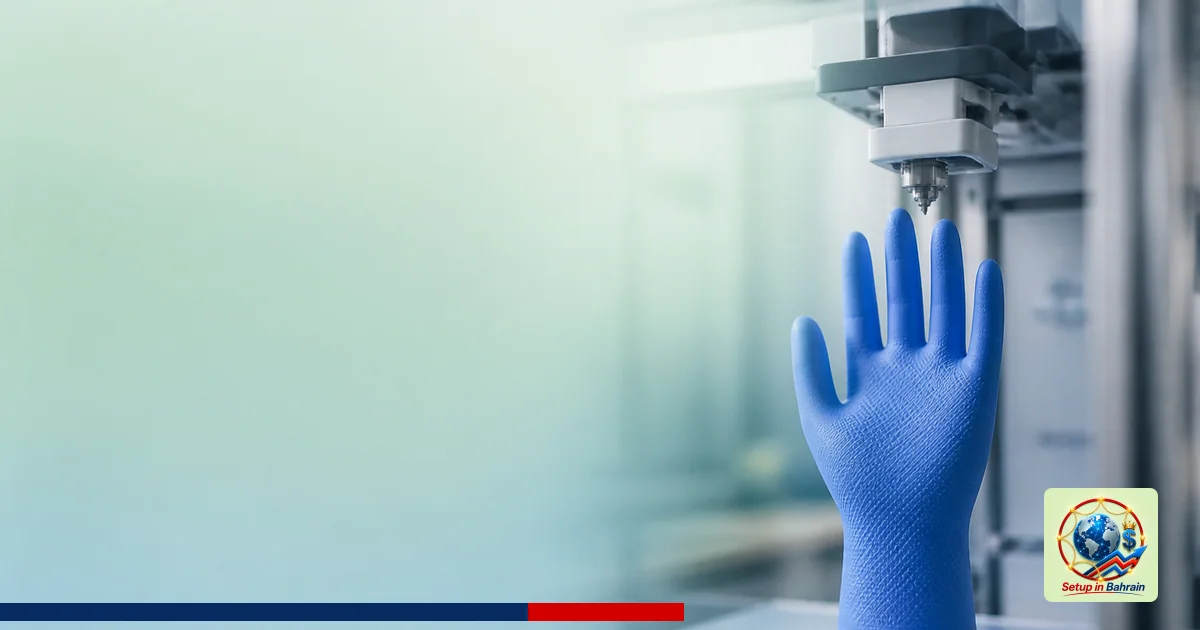
Future of rubber gloves hinges on Cranfield University 3D printing
Researchers at Cranfield University are testing a 3D printing approach to making rubber gloves. The method could change how gloves are produced, potentially reducing space needs and waste, and using natural rubber. The project involves partnerships with Meditech and aims to offer more scalable production for smaller orders.
What’s new in glove manufacturing
Traditional glove production uses large, energy-intensive factories with long production lines. The Cranfield method uses 3D printing to create gloves, which can be scaled up or down and may require less floor space. The technique could also allow for more customization and reduced material waste, depending on how the process is refined and implemented.
Key facts you should know
- The project is described as a novel method being developed with Cranfield University and partner Meditech.
- 3D printing could lower space needs and support smaller production quantities than traditional lines.
- Natural rubber is cited as a potential environmental benefit, including biodegradability.
- The claims come from a regional news report and are described as ongoing work rather than a finished product.
Who is affected and how
Potentially affected are glove manufacturers, suppliers of natural rubber, and buyers who need flexible order sizes. If 3D printing proves viable, small-to-mid scale producers could access glove production with less capital in equipment and space. At this stage, the description is about a research project, not a commercial rollout.
Practical next steps for interested readers
- Track university announcements and partner updates for concrete milestones, such as pilot production or regulatory approvals.
- If you are a potential buyer, monitor changes in lead times and customization options once small-batch production is demonstrated.
- Be aware that biodegradability and environmental claims depend on the full life cycle and disposal methods used in real-world settings.
Limits and questions to consider
- Details on cost, material performance (e.g., barrier properties, durability), and sterilization requirements are not provided in the source.
- Environmental benefits depend on the full process, including feedstock, energy use, and end-of-life handling.
- The information comes from a local news piece describing an ongoing project, not a peer-reviewed study or a product launch.
Which sources did Setup in Bahrain review?
Setup in Bahrain reviewed the following source material before preparing this explanatory article.
The links remain visible so readers can inspect the evidence, compare dates and context, and confirm current requirements with the relevant authority.
- bedfordtoday.co.uk — evidence source reviewed for this article.
Information and responsibility notice: This article is general information based on the cited material available when published. It is not legal, tax, immigration, medical, financial, banking, or investment advice; it does not create a professional-client relationship; and it is not a guarantee of outcome, availability, accuracy, or eligibility. Rules, schedules, prices, and third-party information can change. Confirm material decisions with the relevant authority and an appropriately qualified adviser before acting.