
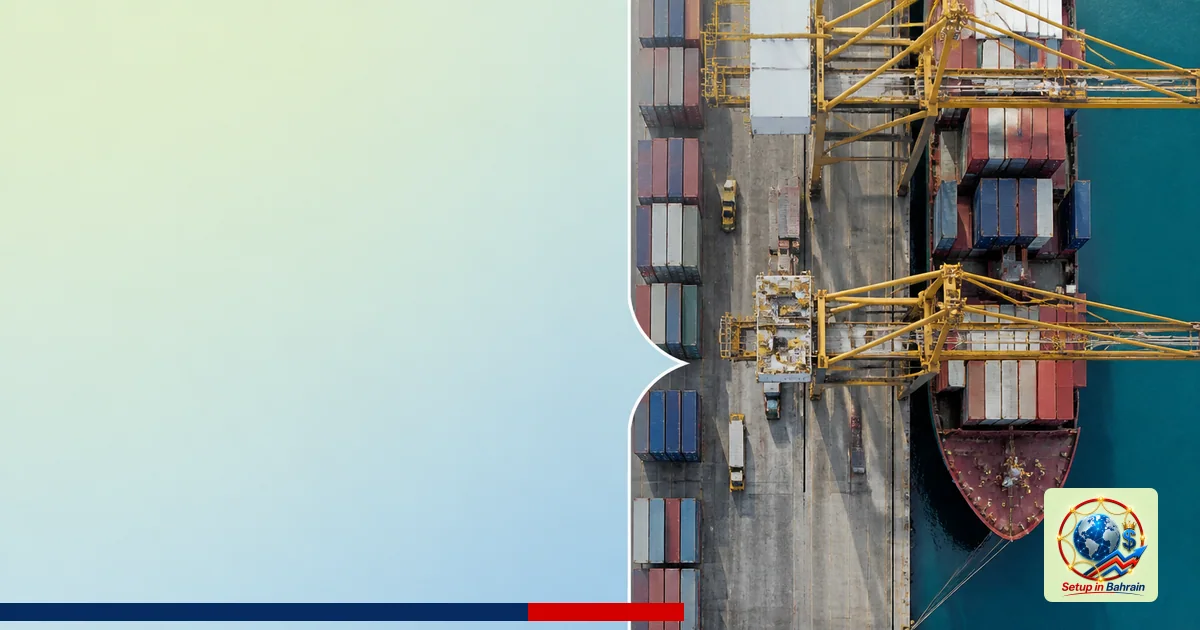
XXVII Euromed Convention: land-to-sea decarbonization talks explained
The XXVII Euromed Convention gathered stakeholders to discuss how shipping can decarbonize, focusing on technology, regulation, and workforce changes as the industry aims to reduce greenhouse gas emissions by 2050.
What happened at the convention
A panel titled “Shipping in Transition: Innovation, Regulation and Sustainability” highlighted the shipping sector’s shift toward lower emissions. The core idea is that decarbonizing maritime transport—vital for global trade—requires coordinated efforts in technology, policy, and workforce adaptation. The International Maritime Organization (IMO) targets zero greenhouse gas emissions by 2050, with intermediate milestones in 2030 and 2040. Discussions stressed that progress depends on three interdependent factors: new technologies and greener fuels (like hydrogen, ammonia, methanol), better propulsion efficiency and onshore/offshore connectivity, and clear international rules guiding these changes.
Key facts you should know
- Industry goal: near-zero emissions from shipping by 2050, with binding steps in 2030 and 2040.
- Three pillars for progress: technology and fuels, human factor (workers and AI), and clear regulation.
- New fuels are under discussion (hydrogen, ammonia, methanol) alongside efficiency and port electrification.
- Regulatory clarity is seen as essential to move from ethical choice to compliance requirement.
Who is affected
Shipowners, operators, and crews are directly affected by new fuels, propulsion tech, and crew training. Ports and shore-side workers will engage with new infrastructure. Regulators and policymakers must align international standards to support safely scaling up new fuels and technologies.
Practical next steps for stakeholders
- Industry players should monitor announced timelines for 2030–2040 milestones and invest in fuel-agnostic efficiency upgrades where possible.
- Ship operators may need training for crews on new fuels and AI-enabled systems, plus adjustments to maintenance practices.
- Ports should plan for charging and fueling infrastructure that can handle new fuels and power requirements at scale.
- Policymakers should publish clear, international rules that reduce ambiguity for cross-border shipments and investment decisions.
Limits and questions
While the convention emphasizes a clear path forward, specifics on which fuels will be adopted where, funding for transition, and how incremental milestones will be enforced remain in development. Stakeholders are urged to watch for official policy documents and port-by-port implementation plans as the IMO and national regulators refine standards.
Which sources did Setup in Bahrain review?
Setup in Bahrain reviewed the following source material before preparing this explanatory article.
The links remain visible so readers can inspect the evidence, compare dates and context, and confirm current requirements with the relevant authority.
- informatorenavale.it — evidence source reviewed for this article.
Information and responsibility notice: This article is general information based on the cited material available when published. It is not legal, tax, immigration, medical, financial, banking, or investment advice; it does not create a professional-client relationship; and it is not a guarantee of outcome, availability, accuracy, or eligibility. Rules, schedules, prices, and third-party information can change. Confirm material decisions with the relevant authority and an appropriately qualified adviser before acting.