
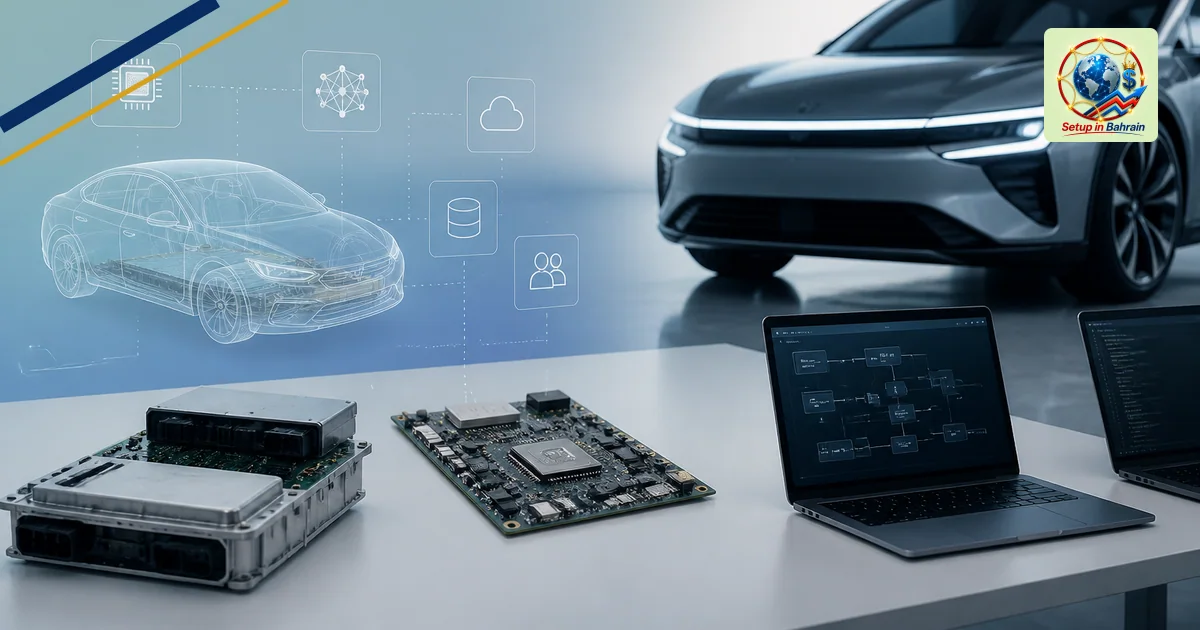
XPENG opens vehicle tech to global partners, including AI tools and chips
XPENG has announced that it will open its vehicle platforms, electronic architecture, batteries, electric drivetrains and engineering tools to global partners. The initiative, presented by chairman He Xiaopeng at an industry event, aims to let outside companies jointly develop products using XPENG’s software and hardware tech. The move includes access to AI and chip technologies and real-world engineering tools, marking a shift toward broader collaboration in automotive technology.
What XPENG is changing
XPENG says it will offer its proprietary vehicle platforms, electrical and electronic architecture, batteries, electric drivetrains and engineering tools to external partners. It also points to access to technologies like the AI BOX, its Turing AI chip and a physical-world foundation model. The idea is to let partners co-develop differentiated products and build their own technical capabilities using XPENG’s core tech.
Who is affected
Global automotive and tech suppliers, startups, and established carmakers could become partners. Existing collaboration with Volkswagen is cited as an example of combining XPENG’s software and intelligent-driving capabilities with another company’s vehicle engineering and testing expertise. The move may affect teams involved in software, hardware integration, and vehicle development across borders.
Practical next steps for interested parties
Potential partners would typically begin by engaging with XPENG’s AI Engineering unit to understand access terms, licensing, and joint-development processes. Interested firms should assess how XPENG’s platforms and chips fit their product plans, ensure alignment with regulatory and safety requirements, and plan for collaboration timelines and IP arrangements. Interested readers should track official XPENG communications for partner program details and eligibility criteria.
Limits and questions
The source describes announced intentions but provides limited specifics on terms, geographic availability, or risk-sharing mechanisms. It remains to be seen how widely XPENG will grant access, what kinds of enforceable commitments exist, and how safety and regulatory compliance will be handled across different markets. Analysts will want to see formal partner agreements and the scope of the AI tools to assess potential implications for competition and tech licensing.
Which sources did Setup in Bahrain review?
Setup in Bahrain reviewed the following source material before preparing this explanatory article.
The links remain visible so readers can inspect the evidence, compare dates and context, and confirm current requirements with the relevant authority.
- technode.com — evidence source reviewed for this article.
Information and responsibility notice: This article is general information based on the cited material available when published. It is not legal, tax, immigration, medical, financial, banking, or investment advice; it does not create a professional-client relationship; and it is not a guarantee of outcome, availability, accuracy, or eligibility. Rules, schedules, prices, and third-party information can change. Confirm material decisions with the relevant authority and an appropriately qualified adviser before acting.