
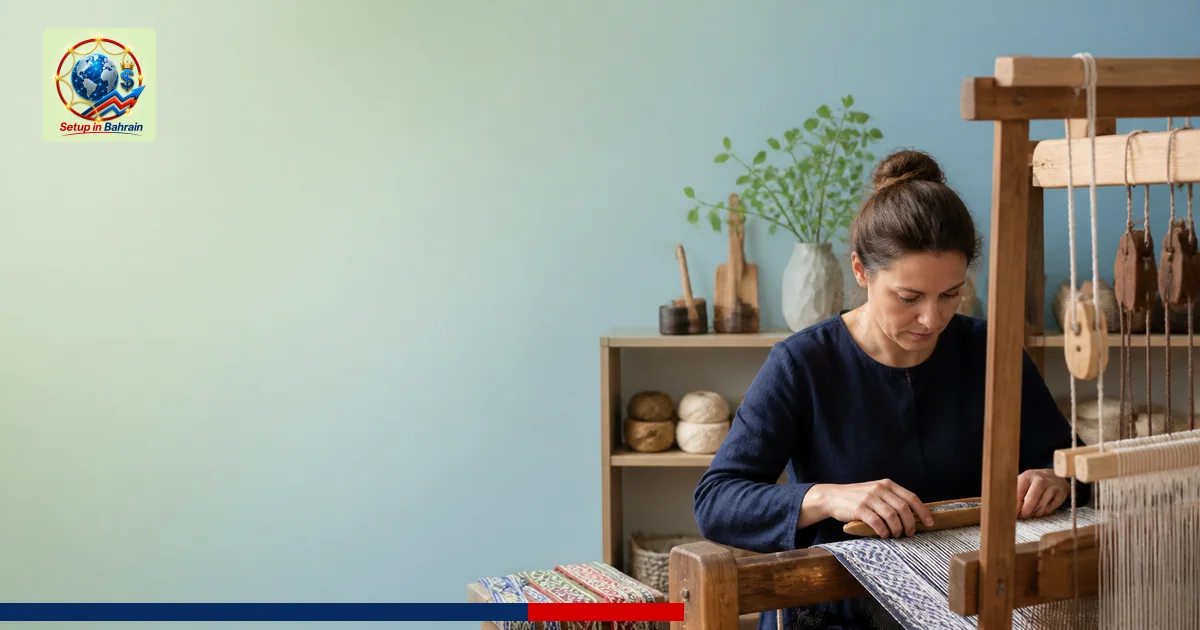
Viru Prison inmates learn traditional Estonian handicraft
Inmates at Viru Prison have learned to weave traditional Estonian patterned belts, a craft that began as a way to provide work inside cells and has since been sold through the Estonian National Museum. The program involved self-taught and peer-led instruction, with guidance from the Estonian National Museum. This explainer outlines what happened, who is affected, and practical next steps for readers seeking more context or involvement.
What changed and why it matters
Inmates at Viru Prison began weaving traditional Estonian patterned belts after identifying a suitable in-cell work activity for those with movement restrictions. A self-taught inmate started the craft using a book and a video, and then taught others. The project expanded as the Estonian National Museum (ERM) provided assessment and advice through its Center for Folk Culture and Information. The belts have moved from cell practice to sale in the ERM store, marking a transition from a closed-in activity to a publicly showcased craft. This demonstrates how a prison program can enable skill-building, preserve cultural crafts, and create new channels for inmates to contribute to cultural institutions.
Key facts at a glance
- Activity: inmates weave traditional Estonian patterned belts using looms made in the prison.
- Initiation: a single inmate learned from a book and a video, then taught others.
- Support: the Estonian National Museum (ERM) assessed the project and provided guidance.
- Impact: belts are sold in the ERM store, linking prison work to a national cultural institution.
- Context: the program provides work for inmates with restricted movement rights, within cell blocks.
Who is affected
The immediate beneficiaries are inmates at Viru Prison who participate or assist in the weaving program. Prison staff coordinate the activity and monitor safety and workflow. The Estonian National Museum serves as an external partner, offering assessment and cultural context. The broader public gains access to a cultural product (the belts) through ERM store sales, linking prison-made craft to national heritage display and sale.
Practical next steps for readers
- Learn more: read the ERR article cited for details about the program’s origin and evolution.
- If interested in cultural crafts, explore how museums collaborate with institutions on community and prison programs, noting this example shows such links can emerge from in-prison work.
- For policy context, consider how in-cell work programs could balance skill-building with security requirements.
- Support or inquire with cultural institutions about similar programs that connect traditional crafts to public exhibitions or stores.
Limits and questions
The information comes from one news report and mentions institutional involvement (ERM) but does not detail long-term outcomes, employment pathways after release, or security considerations. It also does not specify the number of inmates involved or the exact economic impact of belt sales. Readers should consult the cited source for primary details and monitor follow-up reporting for updates on program scope and effectiveness.
Which sources did Setup in Bahrain review?
Setup in Bahrain reviewed the following source material before preparing this explanatory article.
The links remain visible so readers can inspect the evidence, compare dates and context, and confirm current requirements with the relevant authority.
- news.err.ee — evidence source reviewed for this article.
Information and responsibility notice: This article is general information based on the cited material available when published. It is not legal, tax, immigration, medical, financial, banking, or investment advice; it does not create a professional-client relationship; and it is not a guarantee of outcome, availability, accuracy, or eligibility. Rules, schedules, prices, and third-party information can change. Confirm material decisions with the relevant authority and an appropriately qualified adviser before acting.