
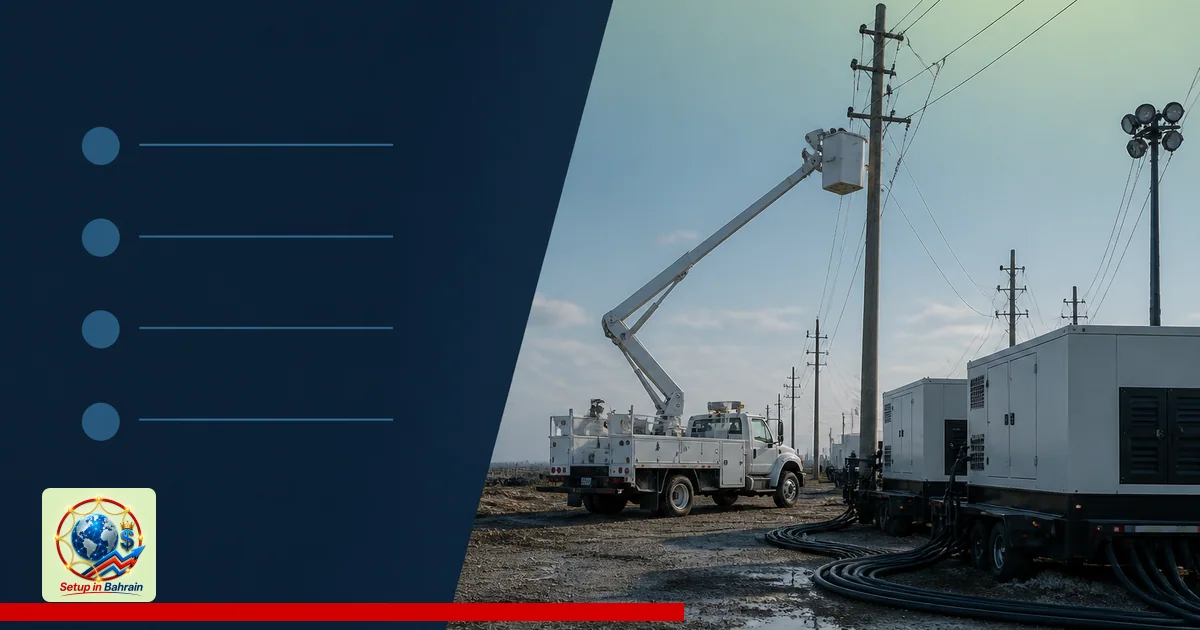
Utilities make progress on power restoration after Hurricane Isaias recovery
Utilities are reporting progress in restoring power after Hurricane Isaias hit the Florida Panhandle, with several counties near full restoration and tens of thousands still without electricity. Officials say momentum is building in the recovery effort, and restoration timelines vary by location. This explainer breaks down what happened, who is affected, and practical steps for residents as the recovery continues.
What happened and current restoration status
Hurricane Isaias made landfall in the Florida Panhandle, causing widespread power outages as it damaged infrastructure. As of the latest official briefings, restoration progress varies by county. Bay County reports essentially full restoration; Okaloosa county is over 96% restored, and Washington County over 91%. Walton County has reached around 80% restoration. Remaining outages are associated with damage to power lines, substations, or local issues that require repairs by the electric cooperatives and utilities serving those areas. Officials indicated that some customers should have power restored by tonight or by early tomorrow, depending on location and service provider.
Who is affected and where
Residents and businesses in the Florida Panhandle counties affected by the hurricane continue to experience outages. The affected areas include multiple counties with varying restoration levels. Schools and essential facilities in some areas may still rely on generator power or temporary arrangements until service is fully restored. The situation is dynamic; some neighborhoods may regain power sooner than adjacent blocks due to the local state of repair and access for repair crews.
Practical next steps for affected residents
What to do while waiting for power to return: 1) Have an emergency plan and a kit ready with water, non-perishable food, medications, flashlights, and charged devices. 2) For safety, avoid downed power lines and report outages to your utility if not already reported. 3) If you rely on medical equipment requiring power, contact your provider or local authorities about available options during outages. 4) Use extended-life batteries or vehicle power carefully for essential devices. 5) After power returns, reset safety devices, check appliances for damage, and verify that home breakers and fuses are functioning properly. 6) Stay informed through official utility updates and local government briefings for any changes in service timelines.
Limits of the information and common questions
The figures cited reflect official statements at the time of reporting and can change as crews continue work. If your area is not among the higher-reported restoration percentages, it does not necessarily mean permanent outages; it may indicate ongoing repairs. For questions about service activation, contact your provider or local emergency management office for localized timelines and resources.
Which sources did Setup in Bahrain review?
Setup in Bahrain reviewed the following source material before preparing this explanatory article.
The links remain visible so readers can inspect the evidence, compare dates and context, and confirm current requirements with the relevant authority.
- wlrn.org — evidence source reviewed for this article.
Information and responsibility notice: This article is general information based on the cited material available when published. It is not legal, tax, immigration, medical, financial, banking, or investment advice; it does not create a professional-client relationship; and it is not a guarantee of outcome, availability, accuracy, or eligibility. Rules, schedules, prices, and third-party information can change. Confirm material decisions with the relevant authority and an appropriately qualified adviser before acting.