
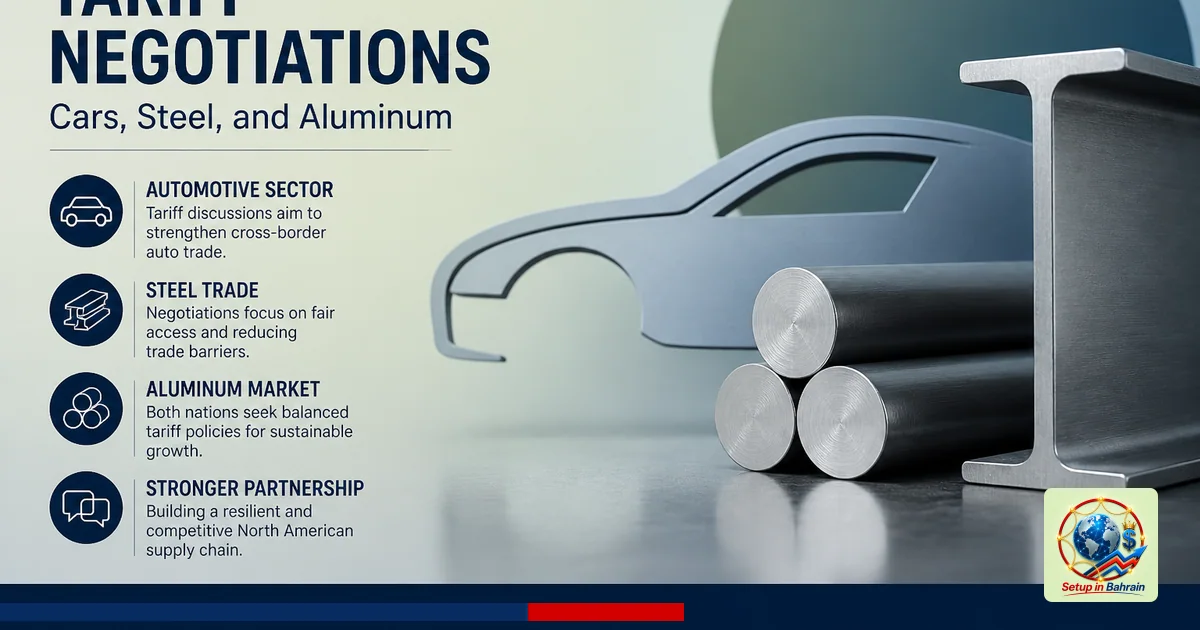
U.S.-Mexico tariff deal stalls over auto and metals levies
The potential U.S.-Mexico trade agreement to reduce tariffs on cars, steel, and aluminum has slowed amid disagreements on the size of reductions. Reports describe resistance from some U.S. officials and ongoing negotiations with Mexico. The situation could affect automakers, suppliers, and workers in both countries, depending on when a deal is reached and which concessions are agreed.
What has stalled and why
Negotiations reportedly slowed due to disagreements over how much tariffs should be cut. The United States currently imposes a 25% tariff on Mexican-made automobiles and 50% levies on steel and aluminum. A deal would typically reduce or eliminate some of these duties, but internal U.S. debates about the scale of relief have slowed progress. Reuters cited a Wall Street Journal report noting opposition from Commerce Secretary leadership to large reductions. Mexico says progress has been made in talks, though details remain unsettled.
Key facts to understand
- Tariffs cited: 25% on Mexican cars; 50% on steel and aluminum. A trade deal might ease these rates for certain products or time periods.
- The talks involve both tariffs and rules affecting how cars are built (content and origin rules) to qualify for relief.
- The outcome could affect carmakers, auto parts suppliers, steel and aluminum producers, and workers in both countries.
- Official statements in public summaries describe progress and slowdowns; private reports indicate disagreement on concession levels.
Who is affected
Automakers and auto parts suppliers in the United States and Mexico could benefit from lower tariffs if a deal is reached. A reduction could lower costs for vehicles and components imported between the two countries. Steel and aluminum producers, and their workers, might benefit if duties are reduced or phased differently. Consumers could see ripple effects through vehicle prices and availability, though any changes depend on the final terms and when they take effect.
Practical next steps
- Monitor official statements from the U.S. Department of Commerce and Mexican authorities for updates on tariff concessions and rules of origin.
- Watch major automakers and suppliers for signals about production plans or price changes tied to tariff relief.
- Be aware that any agreement would specify transition timelines; relief might not be immediate.
Limits and questions
Until an agreement is announced with specific terms, many details remain uncertain. It is not yet clear which products receive cuts, how deep the reductions would be, or how rules of origin could affect eligibility. Analysts emphasize that negotiated outcomes can alter timelines and market expectations, and that private sector responses depend on the final text and enforcement mechanisms.
Which sources did Setup in Bahrain review?
Setup in Bahrain reviewed the following source material before preparing this explanatory article.
The links remain visible so readers can inspect the evidence, compare dates and context, and confirm current requirements with the relevant authority.
- cbtnews.com — evidence source reviewed for this article.
Information and responsibility notice: This article is general information based on the cited material available when published. It is not legal, tax, immigration, medical, financial, banking, or investment advice; it does not create a professional-client relationship; and it is not a guarantee of outcome, availability, accuracy, or eligibility. Rules, schedules, prices, and third-party information can change. Confirm material decisions with the relevant authority and an appropriately qualified adviser before acting.