
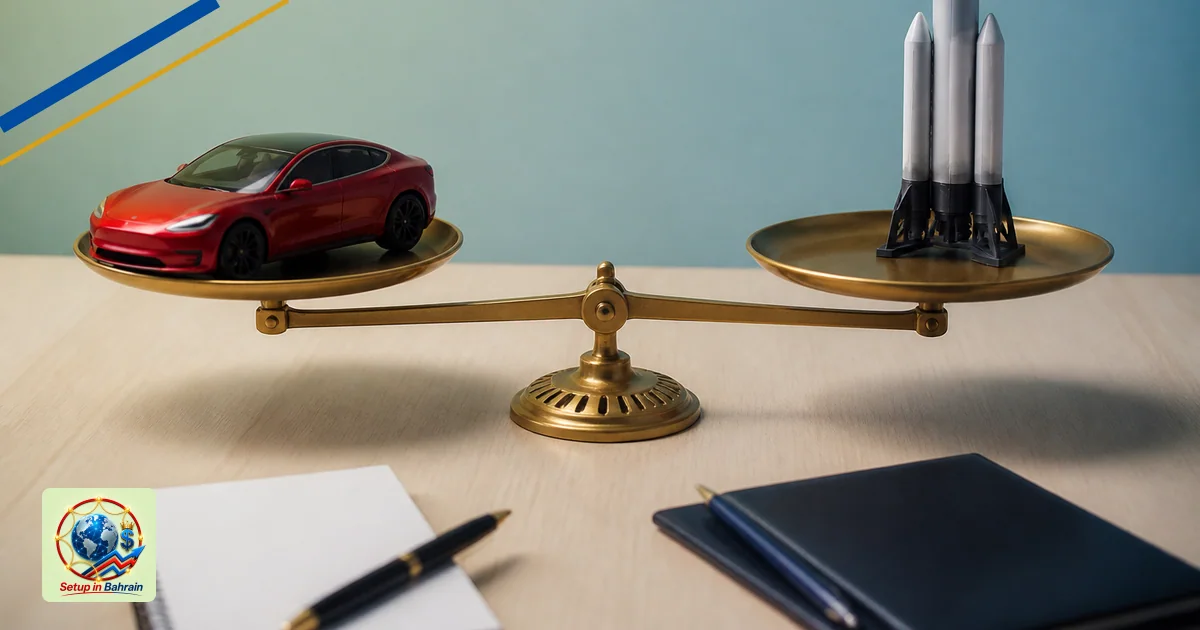
Tesla vs SpaceX: 3 business model secrets Elon Musk uses differently
Elon Musk runs Tesla and SpaceX with different business approaches. Tesla sells to individual customers, while SpaceX largely works with government clients. The differences affect how each company makes money, what customers can expect, and where the risks lie. This explainer summarizes what happened, who is affected, and practical steps you can take to understand or respond.
What changed in the two approaches
Two separate business playbooks drive the two companies. Tesla emphasizes consumer sales, brand appeal, direct-to-consumer distribution, and software updates that improve vehicles over time. SpaceX emphasizes contracts with governments and large institutions, downplaying consumer-style marketing in favor of long-term mission-focused partnerships. The contrast suggests different risk profiles, revenue cycles, and investment needs for each company.
Key facts to know
- Tesla’s model focuses on selling to individuals and building an ecosystem of products and services around them.
- SpaceX predominantly sells to governments and large organizations through long-term contracts.
- Revenue timing and risk differ: consumer sales can be volatile but reach mass markets; government contracts tend to be large but slower to finalize and renew.
- Both rely on engineering expertise, supply chains, and regulatory approvals, but their customers and sales cycles diverge.
Who is affected
Investors and employees of Tesla and SpaceX, policy makers, and customers relying on the companies’ products. Consumers may notice more frequent software updates and product launches from Tesla. Governments and defense-related agencies may rely more on SpaceX for launches and satellite services, which can affect availability and pricing for such services.
Practical next steps for readers
- If you’re evaluating stock or bonds, compare consumer revenue visibility (Tesla) vs. contract-backed revenue (SpaceX) and assess related risk profiles.
- For potential customers, understand who your primary buyer is (individual vs. government) and what that means for pricing, terms, and support.
- Follow official company disclosures and reputable analyses for updates on contracts, product roadmaps, and regulatory changes.
Limits and questions
Evidence here relies on a single source summarizing business models; it may not reflect the full breadth of each company’s strategies or recent changes. Readers should consult multiple sources for a more complete view of Tesla’s consumer-focused operations and SpaceX’s government-facing work, including official filings and contract announcements.
Which sources did Setup in Bahrain review?
Setup in Bahrain reviewed the following source material before preparing this explanatory article.
The links remain visible so readers can inspect the evidence, compare dates and context, and confirm current requirements with the relevant authority.
- fourweekmba.com — evidence source reviewed for this article.
Information and responsibility notice: This article is general information based on the cited material available when published. It is not legal, tax, immigration, medical, financial, banking, or investment advice; it does not create a professional-client relationship; and it is not a guarantee of outcome, availability, accuracy, or eligibility. Rules, schedules, prices, and third-party information can change. Confirm material decisions with the relevant authority and an appropriately qualified adviser before acting.