
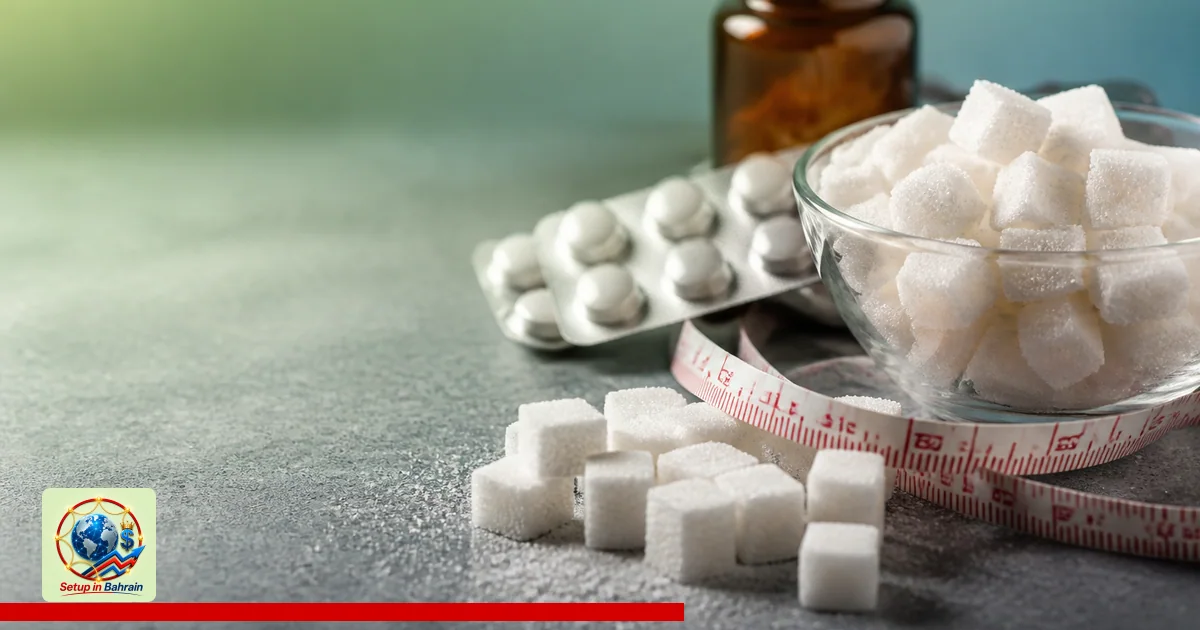
Study links sugar avoidance during antibiotics to gut microbiome protection
A new study suggests that eating less sugar during antibiotic treatment may help protect the gut microbiome, especially in patients undergoing intensive cancer therapies. The researchers tracked meals and stool samples to see how sugar intake relates to gut bacteria changes during antibiotics. The findings, published in Nature, point to dietary choices as a potential factor in managing treatment-related gut disruption.
What the study looked at
The researchers analyzed more than 9,400 meals and 1,000 stool samples from patients with blood cancer undergoing allogeneic hematopoietic cell transplant, a high-risk cancer treatment. They examined whether higher sugar consumption was associated with greater disruption to gut bacteria during antibiotic use. Antibiotics can reduce the variety of gut bacteria, which are important for digestion and immunity. The study found a link between sugar-rich meals and larger microbiome disturbances in this patient group.
Key findings and what they mean
The main takeaway is an association, not a proven cause-and-effect result for all people. In this specific patient group, lower sugar intake during antibiotic treatment was associated with less disruption to gut bacteria. The study’s authors describe the idea as “food as medicine” in cancer care, suggesting diet could complement medical strategies to protect the gut during treatment. It does not establish sugar avoidance as a standard therapy or prove the same effect in non-cancer or non-antibiotic contexts.
Who is affected by these findings
The primary population studied were patients with blood cancers receiving intensive transplantation therapy, a setting with known gut microbiome vulnerability. The findings may be of interest to clinicians and patients considering dietary choices during antibiotic courses, particularly in hospital or specialized cancer care. The report does not claim universal applicability to all people or all antibiotics.
Practical steps for patients and clinicians
If you are undergoing antibiotic treatment, discuss diet with your healthcare team. General guidance from this study suggests considering moderation of added sugars during antibiotics, especially in high-risk care settings. No formal guidelines are issued from this single study, so any change should fit your overall medical plan. Maintain balanced nutrition, monitor symptoms, and report digestive changes to your care team. The study authors note that further research is needed to confirm causation and to determine how widely these findings apply beyond the studied group.
Limits and questions to watch for
The study shows an association in a specific patient group and may not apply to people outside that setting. It does not specify exact sugar thresholds or dietary patterns beyond “sugar-rich meals.” Researchers call for more work to confirm whether reducing sugar during antibiotics reliably preserves gut bacteria in broader populations and how this interacts with different antibiotics and cancer treatments. Always align any dietary changes with your medical team.
Which sources did Setup in Bahrain review?
Setup in Bahrain reviewed the following source material before preparing this explanatory article.
The links remain visible so readers can inspect the evidence, compare dates and context, and confirm current requirements with the relevant authority.
- biospace.com — evidence source reviewed for this article.
Information and responsibility notice: This article is general information based on the cited material available when published. It is not legal, tax, immigration, medical, financial, banking, or investment advice; it does not create a professional-client relationship; and it is not a guarantee of outcome, availability, accuracy, or eligibility. Rules, schedules, prices, and third-party information can change. Confirm material decisions with the relevant authority and an appropriately qualified adviser before acting.