
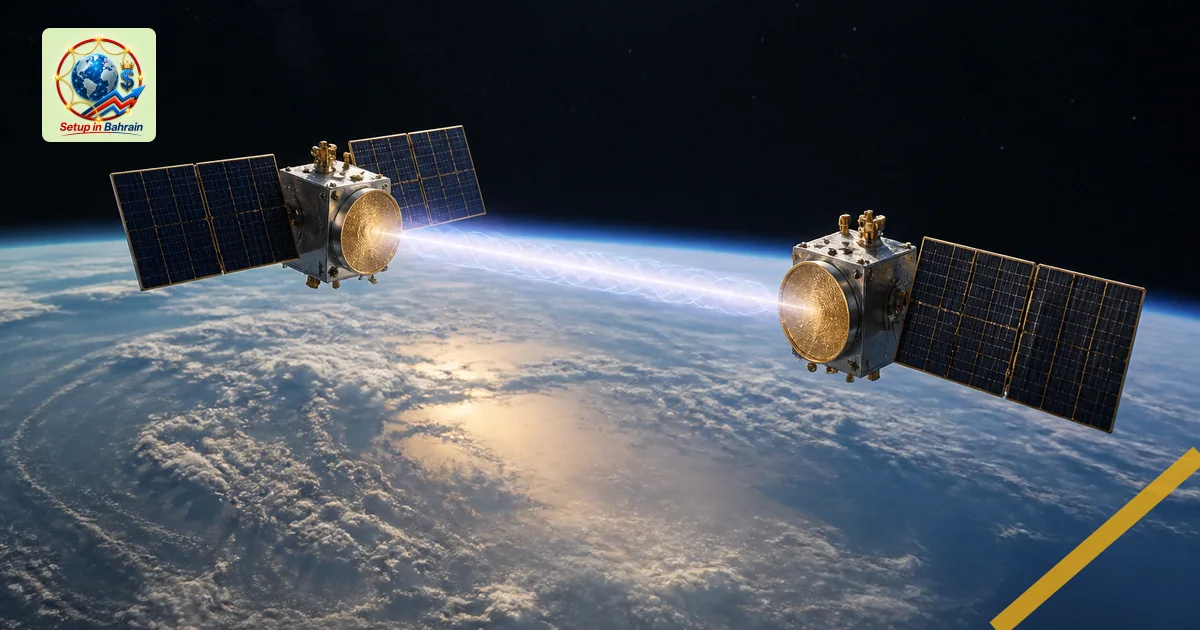
Star Catcher aims to beam power between satellites for first test
A Florida startup plans a first test of transmitting power from one satellite to another using laser beams, part of a broader idea to create an orbital power grid for space-based data centers and manufacturing. The test seeks to demonstrate a way to move large amounts of energy in space without adding heavy hardware to each satellite.
What is happening now
The company Star Catcher says it will conduct a demonstration by sending power from a source satellite to a separate, free-flying receiver satellite using a laser link. This would be the first time such power transfer is tested between two spacecraft in orbit. Solar energy is collected on the source satellite, converted into laser light, and then beamed to the other satellite, where it can be converted back into usable electrical energy.
Key facts you should know
- Goal: create an orbital power grid to support energy-hungry space activities such as AI computing and Earth observation.
- Method: convert solar power to laser energy on one satellite, beam via laser to another satellite, convert back to electricity.
- Challenge: transmitting power in space requires precise pointing, efficiency, and safety against unintended exposure; the approach aims to reduce the need for heavy power hardware on every satellite.
- Scope: early prototype; broader system concepts are under discussion rather than ready-for-operations plans.
Who could be affected
Directly affected would be developers and operators of orbital data centers, satellite manufacturers, and space services that rely on high power for computing or manufacturing in orbit. Indirectly, the test could influence how future space infrastructure is designed and funded, but it does not imply immediate changes to existing missions or regulatory rules.
Practical next steps for readers
- Watch for official statements from Star Catcher about test results and timing.
- Look for independent assessments from space agencies or aerospace researchers on the feasibility and safety of laser-based power transfer in orbit.
- Monitor any updates on how, if successful, the approach would scale to more satellites or convert into practical services.
Limitations and open questions
Details about efficiency, cost, and real-world operation are not fully disclosed. How the system handles disruption, weather in space (micrometeoroids, radiation), and long-term reliability remains to be seen. No immediate regulatory changes are discussed in the available material.
Which sources did Setup in Bahrain review?
Setup in Bahrain reviewed the following source material before preparing this explanatory article.
The links remain visible so readers can inspect the evidence, compare dates and context, and confirm current requirements with the relevant authority.
- singularityhub.com — evidence source reviewed for this article.
Information and responsibility notice: This article is general information based on the cited material available when published. It is not legal, tax, immigration, medical, financial, banking, or investment advice; it does not create a professional-client relationship; and it is not a guarantee of outcome, availability, accuracy, or eligibility. Rules, schedules, prices, and third-party information can change. Confirm material decisions with the relevant authority and an appropriately qualified adviser before acting.