
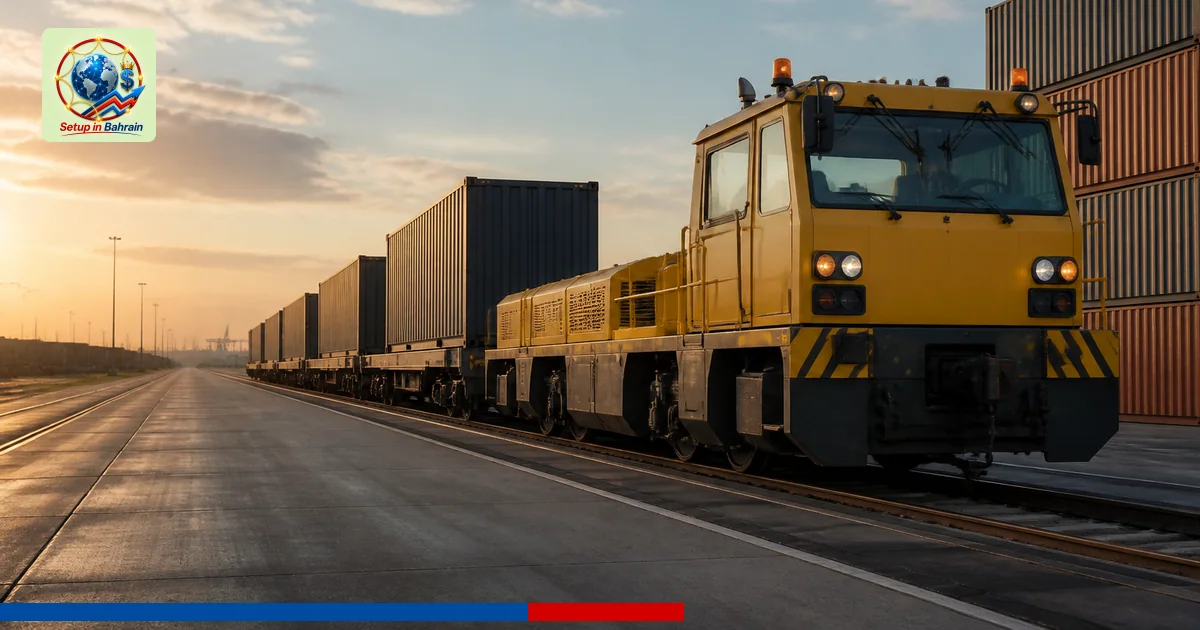
Self-propelled Panther railcars secure $100 million for rollout
Parallel Systems has announced a $100 million funding round to scale production of its autonomous, battery-electric Panther railcars. The company aims to make rail shipping more competitive with trucks on shorter routes by using smaller, self-propelled railcars controlled by software. The news focuses on funding, planned production, and potential international expansion, with the goal of improving flexibility for shipments traditionally moved by trucks.
What changed
Parallel Systems disclosed a $100 million Series C round on October 7. The funds are intended to accelerate manufacturing of the Panther vehicle’s third generation, enable commercial expansion, and support entry into international markets. The Panther is a battery-electric, autonomous railcar designed to move freight without the need for conventional locomotives or long trains. The company positions the approach as a way to improve efficiency on shorter routes where trucks are commonly used.
Key facts
- Subject: Parallel Systems’ Panther railcars — autonomous, battery-electric freight vehicles.
- Funding: $100 million in a Series C round.
- Purpose: scale manufacturing, expand commercially, explore international markets.
- Company goal: provide flexible rail options for shipments typically moved by trucks on shorter routes.
- Developer: Los Angeles-based Parallel Systems, founded in 2020 by former SpaceX engineer Matt Soule.
Who is affected
The move primarily affects customers who use freight transport on shorter intercity routes and regions where rail could offer a more flexible alternative to trucking. It may also interest investors looking at autonomous-transport technologies and suppliers involved in manufacturing and software for autonomous rail systems. Details on specific customers or regions were not provided in the source data.
Practical next steps
For readers tracking freight logistics tech, monitor announcements from Parallel Systems about pilot deployments, production timelines, and any regulatory or safety approvals related to autonomous rail operations. If you’re a potential customer or investor, watch for updates on commercialization milestones and international rollout plans that could affect supply chain choices and capacity planning.
Limits and questions
Details on timelines, exact deployment locations, and regulatory requirements are not provided in the source. It is unclear how the Panther system compares in cost and reliability to traditional freight rail or trucking in specific markets. Readers should await official company disclosures for precise performance metrics, safety assurances, and geographic scope.
Which sources did Setup in Bahrain review?
Setup in Bahrain reviewed the following source material before preparing this explanatory article.
The links remain visible so readers can inspect the evidence, compare dates and context, and confirm current requirements with the relevant authority.
- interestingengineering.com — evidence source reviewed for this article.
Information and responsibility notice: This article is general information based on the cited material available when published. It is not legal, tax, immigration, medical, financial, banking, or investment advice; it does not create a professional-client relationship; and it is not a guarantee of outcome, availability, accuracy, or eligibility. Rules, schedules, prices, and third-party information can change. Confirm material decisions with the relevant authority and an appropriately qualified adviser before acting.