
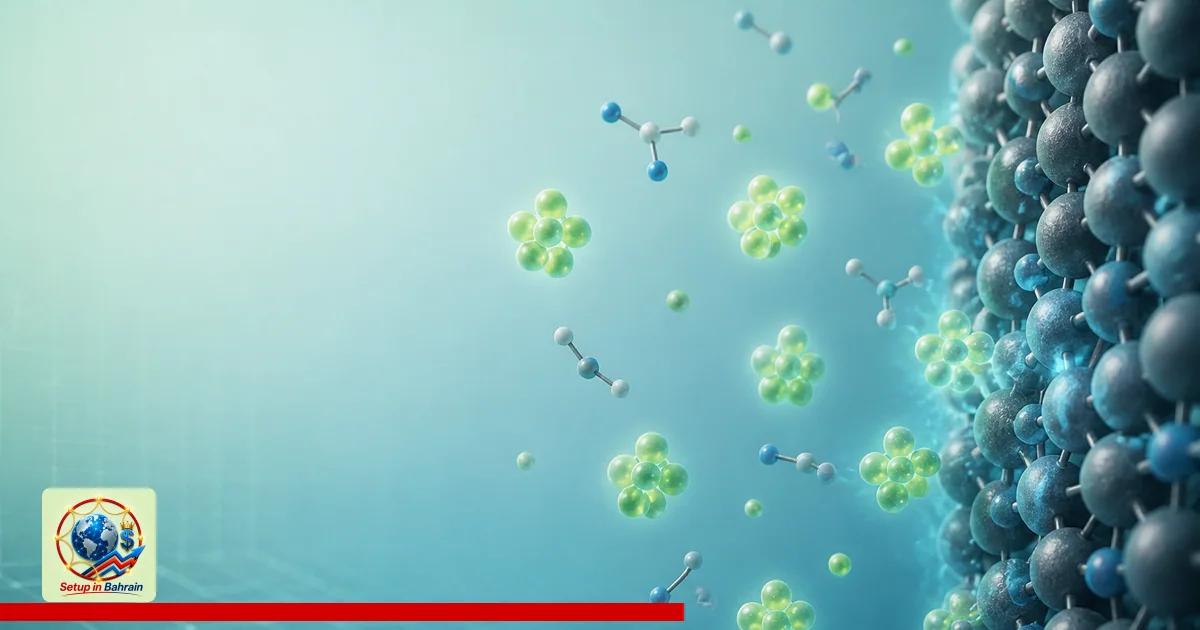
Schrödinger study in Nature finds multi-lithium clustering in LIB electrolytes
A new study published in Nature reports that lithium-ion battery electrolytes may form multi-lithium ion clusters at the atomic level. The work, a collaboration between Schrödinger, Columbia University, and the New York Structural Biology Center, uses computational modeling to understand how these clusters could influence battery performance and design.
What changed in understanding
Researchers used Schrödinger’s computer models to examine the microscopic structure of common battery electrolytes. They report evidence of multiple lithium ions organizing together in clusters, rather than existing as solitary ions. This challenges some prevailing ideas about how ions move and react inside the electrolyte.
The finding implies that ion pairing and clustering could affect properties such as ion transport efficiency, charge rates, and durability. If confirmed by further work, the result could shift how scientists design electrolyte formulations and predictive models for batteries.
Who might be affected
The potential impact touches battery researchers, manufacturers, and researchers who design or optimize lithium-ion batteries for consumer electronics, electric vehicles, and grid storage. If multi-ion clusters influence performance, then developers may adjust electrolytes or use new computational tools to predict outcomes before building tests.
Practical next steps for readers
For researchers and engineers: review the published methods to understand how cluster formation could be tested in real materials. Consider independent experiments or simulations to verify whether clustering occurs under different temperatures, salt concentrations, and electrode materials.
For policy and industry reporters: monitor follow-up studies that confirm whether these clusters measurably affect charging speed, capacity, or lifespan in commercial cells. Look for independent validations beyond the original computational approach.
Limits and open questions
Details about how widely applicable the clustering is across electrolyte chemistries remain to be seen. The study relies on computer simulations and collaboration with specific lab conditions; real-world verification in commercial battery cells is needed to confirm practical significance.
Which sources did Setup in Bahrain review?
Setup in Bahrain reviewed the following source material before preparing this explanatory article.
The links remain visible so readers can inspect the evidence, compare dates and context, and confirm current requirements with the relevant authority.
- biospace.com — evidence source reviewed for this article.
Information and responsibility notice: This article is general information based on the cited material available when published. It is not legal, tax, immigration, medical, financial, banking, or investment advice; it does not create a professional-client relationship; and it is not a guarantee of outcome, availability, accuracy, or eligibility. Rules, schedules, prices, and third-party information can change. Confirm material decisions with the relevant authority and an appropriately qualified adviser before acting.