
What’s up with Veon, MeetKai, the US Senate and T-Mobile AI plans
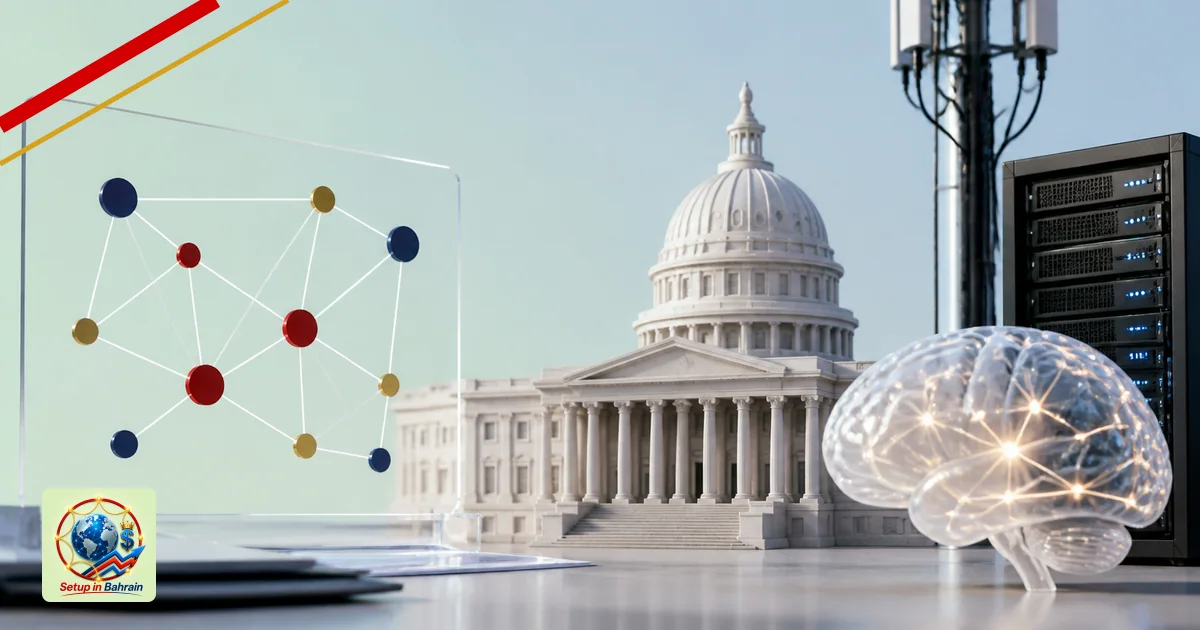
Several tech and telecom moves involve MeetKai, Veon, and US lawmakers: a sovereign AI rollout tied to Veon markets, a bipartisan bill on telecom security, and T-Mobile’s broader use of AI for network automation. This explainer breaks down what happened, who is affected, and practical next steps, in plain terms with direct source links.
What changed with MeetKai and Veon
MeetKai, described as a sovereign AI company, announced a rollout of its AI stack in multiple countries and an arrangement with Veon to operate an AIlab-as-a-servicefor Veon’s markets. In practical terms, this means MeetKai will help build and run AI tools within Veon’s telecom networks in several countries, starting with Kyivstar in Ukraine and expanding to Pakistan, Kazakhstan, Uzbekistan, and Bangladesh. The collaboration uses Nvidia technology as a base and aims to provide a local, controlled AI infrastructure for government or telecom use. No consumer product details are provided in the summary, but the arrangement signals a push toward government-grade AI capabilities within telecom networks.
Key facts you should know
- MeetKai is described as a sovereign AI company building national AI platforms; the termsovereign AIimplies control and governance aligned with national or local authorities.
- The Veon partnership covers five Veon markets with more than 150 million mobile customers and 225 million digital customers.
- Deployment is described aslab-as-a-service, suggesting experimentation and controlled testing rather than a full consumer rollout yet.
- US lawmakers have proposed a telecom security act to create a self-certification platform for telco cybersecurity, signaling potential future requirements for vendors and operators.
- T-Mobile is expanding its use of AI-driven network automation, named Autopilot, indicating continued adoption of AI to manage networks.
Who is affected
Telecom operators in Veon’s markets (Ukraine, Pakistan, Kazakhstan, Uzbekistan, Bangladesh, and others) could be directly involved in MeetKai’s AI stack deployment, with each site run by MeetKai in partnership with local telcos. Government- or regulator-facing aspects may influence how data and AI tools are used in public or critical sectors. Consumers in those markets could see changes in how networks respond to traffic and services, depending on how the AI tools are implemented. The US Senate’s proposed security act could affect telecom vendors and operators by introducing new self-certification requirements for cybersecurity, potentially shaping procurement and compliance practices in the sector.
Practical next steps
- Watch for formal details on MeetKai’s rollout timeline, governance framework, and data handling practices in each country.
- Check local regulatory updates in Ukraine, Pakistan, Kazakhstan, Uzbekistan, and Bangladesh for any cybersecurity or data-use requirements tied to sovereign AI deployments.
- For operators: assess readiness for AI automation tools (like network automation) and potential vendor certifications or standards that may emerge from the Senate bill.
- For consumers: stay informed about any service changes or new AI-enabled features announced by your mobile provider and how your data may be used.
Which sources did Setup in Bahrain review?
Setup in Bahrain reviewed the following source material before preparing this explanatory article.
The links remain visible so readers can inspect the evidence, compare dates and context, and confirm current requirements with the relevant authority.
- telecomtv.com — evidence source reviewed for this article.
Information and responsibility notice: This article is general information based on the cited material available when published. It is not legal, tax, immigration, medical, financial, banking, or investment advice; it does not create a professional-client relationship; and it is not a guarantee of outcome, availability, accuracy, or eligibility. Rules, schedules, prices, and third-party information can change. Confirm material decisions with the relevant authority and an appropriately qualified adviser before acting.