
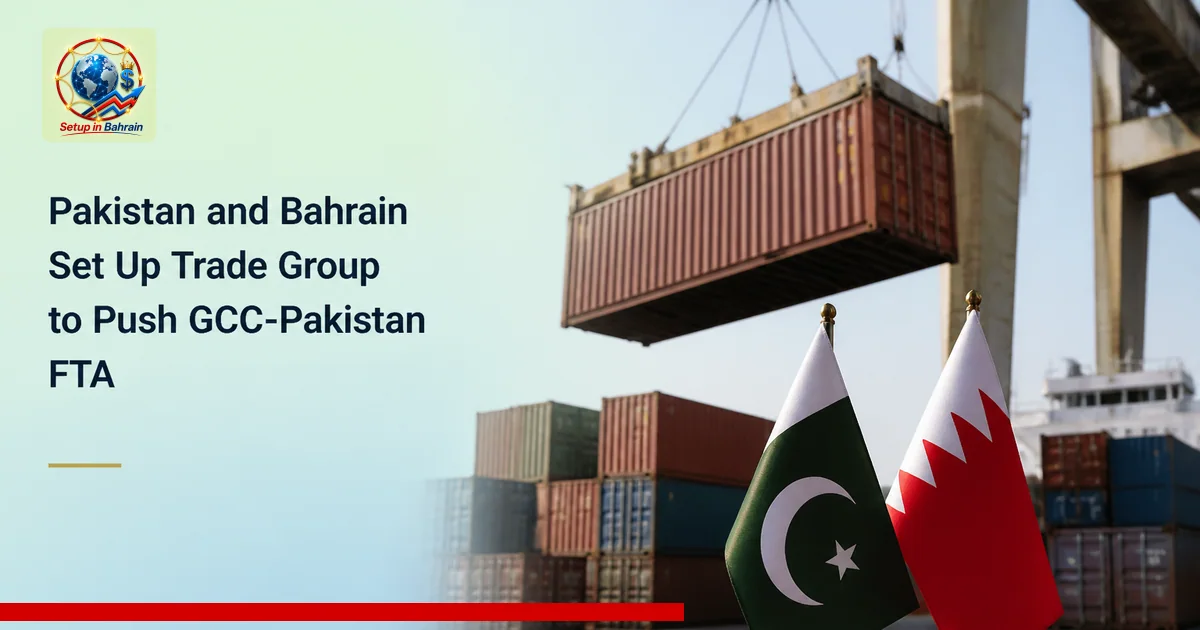
Pakistan and Bahrain set up trade group to push GCC-Pakistan FTA
Pakistan and Bahrain have agreed to establish a joint working group on trade and investment and to convene an energy-focused working group next month. They also pledged to push for early finalisation of the GCC-Pakistan Free Trade Agreement (FTA). The announcements were made during a Joint Ministerial Commission meeting attended by senior officials from both countries.
What changed in the bilateral talks
The two sides signed agreed minutes from their third Joint Ministerial Commission session. They established a new joint working group on trade and investment and planned an energy-focused group to discuss oil, gas, and minerals. They also signaled a broad agenda covering areas such as food security, information technology, law enforcement, labour mobility, health, education, culture, and sports. A key objective is the early finalisation of the GCC-Pakistan Free Trade Agreement.
Who is affected
The move primarily affects economic and policy actors in Pakistan and Bahrain, including ministries of foreign affairs, trade, energy, and labour. Businesses involved in trade with GCC countries may gain new preferential access once the Free Trade Agreement is finalised. Consumers could see broader goods and services availability if duties are reduced under the FTA. The energy discussions may influence oil and gas investors and infrastructure projects in both countries.
Practical next steps for readers
Watch for official statements on the formation and timing of the new working groups. If you are a business or investor, monitor announcements about the GCC-Pakistan Free Trade Agreement for details on tariff schedules, rules of origin, and investment protections. For exporters, prepare to review product classifications and potential tariff changes once the FTA text is released. Governments may also publish milestones from the energy group, including potential cooperation on oil, gas, and minerals projects.
Limitations and open questions
Details in the public report are limited about exact tariff timelines or the precise scope of the energy group. It remains to be seen how quickly the FTA can be finalised and what concessions may be offered. It is also not clear how the new working groups will interact with existing trade mechanisms or how issues like labour mobility will be implemented in practice.
Which sources did Setup in Bahrain review?
Setup in Bahrain reviewed the following source material before preparing this explanatory article.
The links remain visible so readers can inspect the evidence, compare dates and context, and confirm current requirements with the relevant authority.
- humenglish.com — evidence source reviewed for this article.
Information and responsibility notice: This article is general information based on the cited material available when published. It is not legal, tax, immigration, medical, financial, banking, or investment advice; it does not create a professional-client relationship; and it is not a guarantee of outcome, availability, accuracy, or eligibility. Rules, schedules, prices, and third-party information can change. Confirm material decisions with the relevant authority and an appropriately qualified adviser before acting.