Offshore wind training paths open for electrical workers
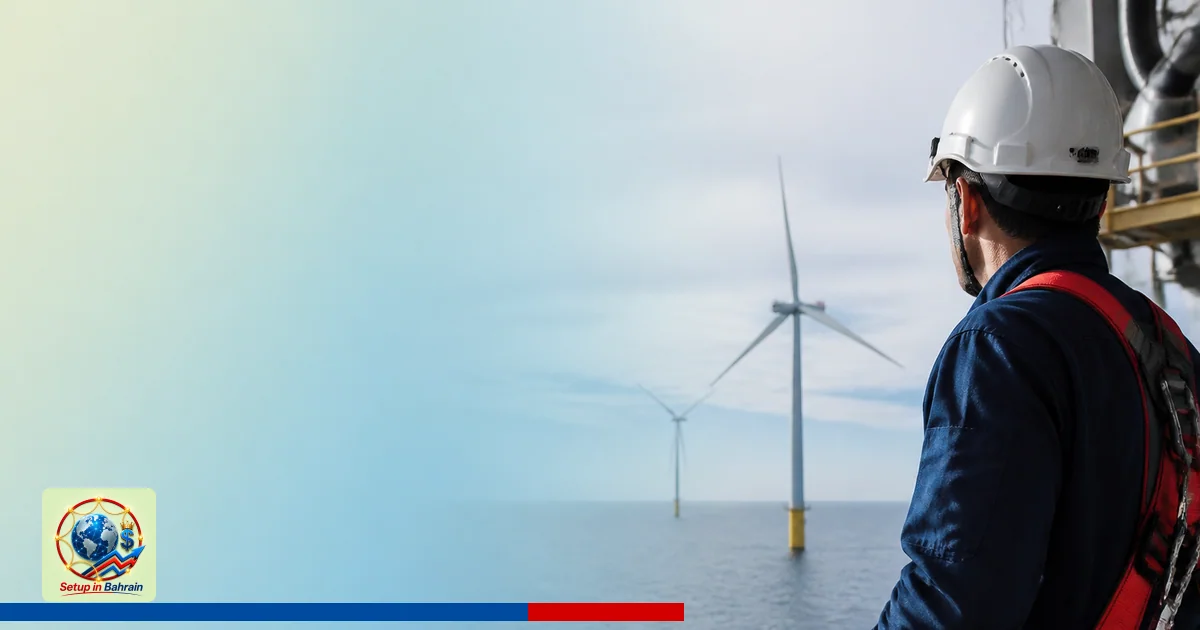
Ireland’s offshore wind sector is expanding, and a new initiative from SETU, WWETB, and ASL Safety & Training maps how electrical workers and apprentices can transition into this growing field. The program connects existing electrical qualifications with specialized offshore wind training to prepare workers for roles in construction, maintenance, and safety on offshore projects.
What’s changing for electrical workers
A collaboration between Waterford and Wexford Education and Training Board (WWETB), South East Technological University (SETU), and ASL Safety & Training is outlining clear education and training routes. The goal is to show how people with electrical backgrounds can develop the additional skills needed to work in offshore wind. This includes safety and environmental training, as well as industry-specific competencies.
Key facts about the training pathways
The initiative integrates further and higher education with specialized industry training. It emphasizes that existing electrical qualifications can form the base for offshore wind roles, rather than requiring a full career restart. ASL Safety & Training provides health, safety, security, and environmental (HSSE) training, with courses accredited by industry bodies. This helps workers meet safety expectations on offshore sites.
Who is affected
The primary audience includes electrical professionals, apprentices, and people with electrical backgrounds who want to enter offshore wind work. It may also inform employers and training providers about the kinds of credentials that are valued in offshore wind projects in Ireland.
Practical next steps for interested workers
If you are an electrical worker or apprentice, check with your training provider (SETU or WWETB) about available routes that connect your current qualifications to offshore wind roles. Look for HSSE training options from ASL Safety & Training to complement your electrical skills. Seek guidance on required certifications, such as safety and environmental modules, and keep an eye on updates from SETU/WWETB about specific programs or cohorts linked to offshore wind projects.
Limits and questions to consider
The article describes a program under development; details such as exact courses, timelines, and eligibility can vary. If you need precise information about costs, duration, or entry requirements, contact SETU or WWETB directly or consult the ASL Safety & Training roster for HSSE offerings that align with offshore wind work.
Which sources did Setup in Bahrain review?
Setup in Bahrain reviewed the following source material before preparing this explanatory article.
The links remain visible so readers can inspect the evidence, compare dates and context, and confirm current requirements with the relevant authority.
- techcentral.ie — evidence source reviewed for this article.
Information and responsibility notice: This article is general information based on the cited material available when published. It is not legal, tax, immigration, medical, financial, banking, or investment advice; it does not create a professional-client relationship; and it is not a guarantee of outcome, availability, accuracy, or eligibility. Rules, schedules, prices, and third-party information can change. Confirm material decisions with the relevant authority and an appropriately qualified adviser before acting.