
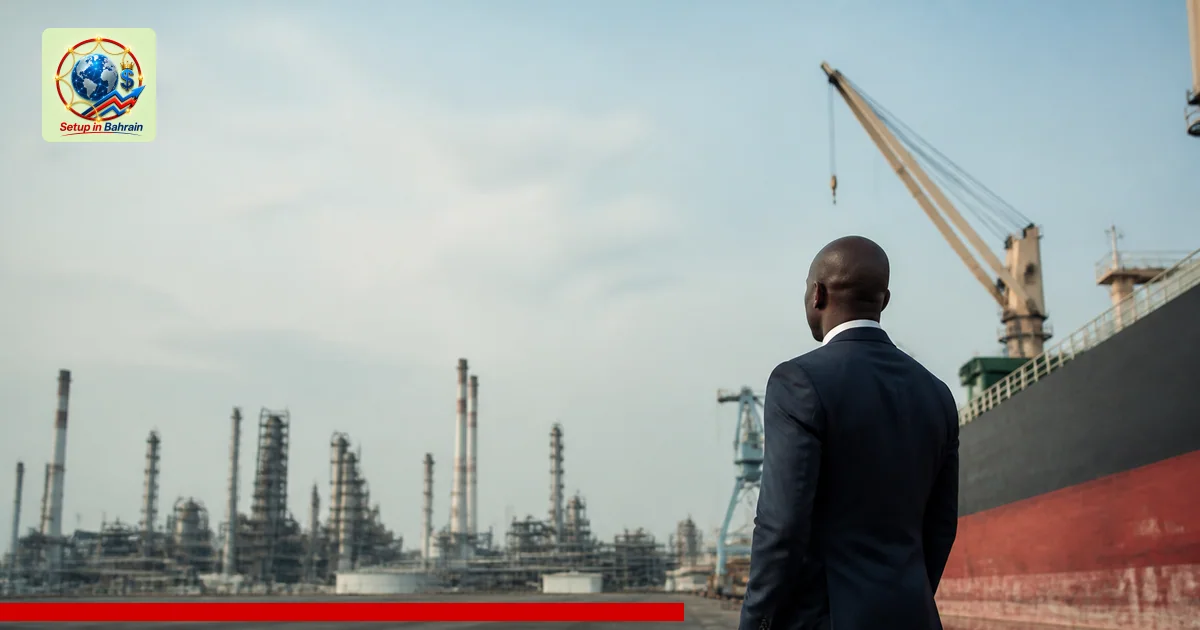
Nigerian billionaire aims US investors for $16B Kenya refinery
Nigerian billionaire industrialist Aliko Dangote announced that American investors will participate in a $16 billion oil refinery project in Lamu, Kenya, aiming to keep the project African-led. He spoke ahead of the groundbreaking ceremony for the facility, which is expected to process a large volume of crude oil daily and involve regional stakeholding. This explainer summarizes what is known, who is affected, and practical steps for readers seeking more information.
What is planned and why it matters
A new oil refinery in Lamu, Kenya, with a reported price tag of about $16 billion, is planned to process up to 700,000 barrels of crude oil per day. Dangote said American investors would participate, while stressing that the project should remain led by Africans. The announcement followed a ceremonial groundbreaking in Lamu, a coastal city in Kenya. Details in the available source indicate the refinery would be a major facility in East Africa and would involve stakeholding by three East African countries, including Kenya, though other country identities were not disclosed by Dangote in the provided text.
Key facts and definitions explained
- The amount of crude oil the plant can process each day; 700,000 barrels per day indicates a very large facility.
- Financial partners from the United States described by Dangote as participants in the project.
- The project’s leadership and majority ownership would be controlled by African interests, according to Dangote.
- The announcement mentions three East African countries sharing a 30% stake, with Kenya confirmed and two others unnamed in the statement.
Who is affected or may benefit
The announcement concerns national and regional economies in East Africa. If the project progresses, potential effects could include job creation, local business opportunities, and changes to energy infrastructure in Kenya and neighboring countries. The source does not specify protections for workers, environmental safeguards, or local communities, so readers should watch for additional details from official releases or follow-up reporting.
Practical next steps for readers
- Monitor official statements from Kenya’s government and Dangote Group for project milestones, financing details, and governance terms.
- Look for environmental and social impact assessments tied to the refinery plan, which may outline land use, emissions, and mitigation measures.
- Track any updates on which East African countries will hold the 30% stake and how governance will be structured among investors.
Limits of current information and questions to ask
The available text from the source provides a broad outline but few specifics on ownership shares, timelines, permits, or environmental safeguards. Questions to pursue include: Which three East African countries will hold 30% of the refinery? What is the expected timeline from groundbreaking to operations? What safeguards exist for workers and local communities, and what financing terms apply for American participants?
Which sources did Setup in Bahrain review?
Setup in Bahrain reviewed the following source material before preparing this explanatory article.
The links remain visible so readers can inspect the evidence, compare dates and context, and confirm current requirements with the relevant authority.
- mymotherlode.com — evidence source reviewed for this article.
Information and responsibility notice: This article is general information based on the cited material available when published. It is not legal, tax, immigration, medical, financial, banking, or investment advice; it does not create a professional-client relationship; and it is not a guarantee of outcome, availability, accuracy, or eligibility. Rules, schedules, prices, and third-party information can change. Confirm material decisions with the relevant authority and an appropriately qualified adviser before acting.