
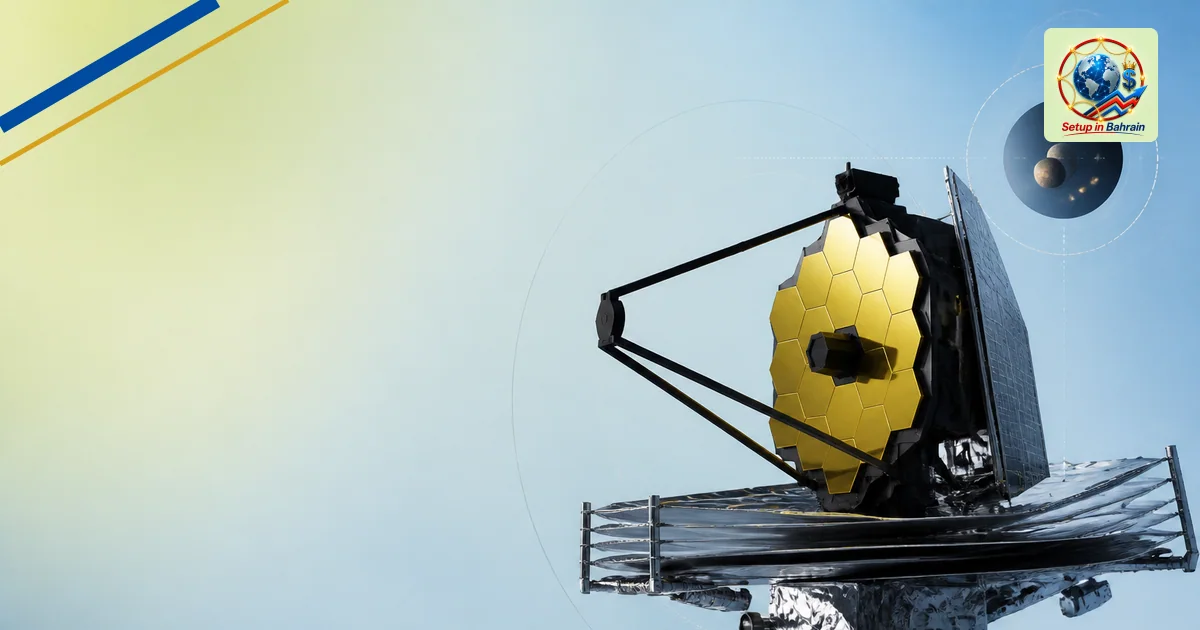
NASA’s Roman Space Telescope could image distant exoplanets more easily
NASA’s Nancy Grace Roman Space Telescope is testing new technology to directly image planets outside our solar system. By blocking starlight and correcting optical flaws, the telescope aims to capture faint planet light that current methods struggle to see, potentially revealing exoplanets that are older, cooler. Closer to their stars than previously imaged.
What’s new about the Roman telescope’s approach
The mission will test aCoronagraph Instrument(CGI), which combines two ideas: blocking starlight more effectively and actively correcting tiny imperfections in the telescope’s optics. Deformable mirrors adjust in real time to suppress glare from the star, making it easier to spot the faint glow of a planet nearby.
Key facts about the test and goals
- The CGI seeks to directly image gas-giant exoplanets that are not the brightest or closest to us.
- Direct imaging is hard because stars outshine their planets by many orders of magnitude; improving starlight suppression helps reveal planets.
- If successful, the technology could let astronomers study planets that are older and cooler and that orbit closer to their stars than some earlier direct-imaging targets.
Who could benefit from this tech
Researchers and space agencies gain a new tool for studying exoplanets. Science teams planning future planet studies could use these methods to pick targets and design observations. The tech also advances our general ability to separate faint signals from bright ones in space observations, which can help multiple astronomy projects.
Practical next steps for readers
Follow NASA updates on the Roman Space Telescope to hear when CGI test results are published. If you’re new to the topic, consider learning about terms likecoronagraph(a device that blocks starlight to reveal nearby objects) anddeformable mirrors(mirrors that can change shape to correct optical errors and reduce glare).
Limits and questions to watch
Early tests may show partial success or reveal engineering challenges. It’s common for new space optics to require iterative improvements before becoming a routine imaging method. Questions to watch include how well the CGI suppresses starlight across different wavelengths and how the approach scales to fainter or more distant planets.
Which sources did Setup in Bahrain review?
Setup in Bahrain reviewed the following source material before preparing this explanatory article.
The links remain visible so readers can inspect the evidence, compare dates and context, and confirm current requirements with the relevant authority.
- scitechdaily.com — evidence source reviewed for this article.
Information and responsibility notice: This article is general information based on the cited material available when published. It is not legal, tax, immigration, medical, financial, banking, or investment advice; it does not create a professional-client relationship; and it is not a guarantee of outcome, availability, accuracy, or eligibility. Rules, schedules, prices, and third-party information can change. Confirm material decisions with the relevant authority and an appropriately qualified adviser before acting.