
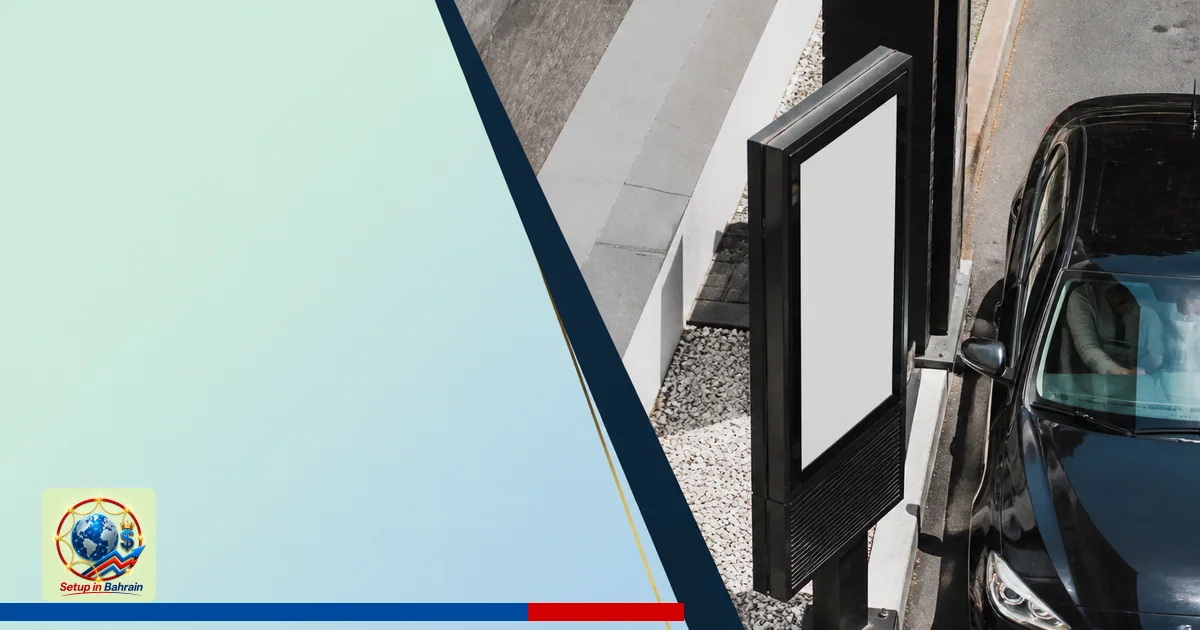
McDonald’s tests drive-thru ads as new revenue path
McDonald’s plans to expand advertising across its drive-thru, digital menu boards, apps. In-store screens as part of a broader “McDonald’s Media Network.” The company has begun market testing in U.S. company-owned restaurants and envisions a long-term revenue stream reaching into the billions. This explainer outlines what changed, who could be affected, and practical steps for customers and stakeholders.
What changed and why it matters
McDonald’s publicly signaled a move into selling ads across its own screens. The company described market testing of its advertising network in about 450 company-owned U.S. locations, with aspirations to scale this to a $1 billion business over time. The initiative leverages existing assets: the McDonald’s app, self-serve kiosks, digital menu boards, and the physical restaurants where customers view screens during ordering. This marks a shift from solely selling food to also selling attention on its digital surfaces.
Key facts at a glance
- Scope: Market testing in hundreds of U.S. company-owned McDonald’s locations.
- Goal: Build a large, ongoing advertising network across McDonald’s platforms and locations.
- Assets involved: Mobile app, drive-thru and in-store digital screens, and restaurant premises.
- Timeline: Initial testing reported in investor materials around September 2026; long-term goal is a multi-hundred-million to billion-dollar business.
Who is affected
Advertisers could gain access to McDonald’s customer attention across multiple touchpoints, including drive-thru screens and the app. Consumers will see ads during ordering or while using McDonald’s digital channels. Employees inside stores may need to adapt to new screen content and flow. It is not yet clear how ad content will be moderated or targeted.
Practical next steps
For customers: expect more screens with ads when using drive-thru or in-store digital displays; the content may range from promotions to product recommendations. For advertisers: opportunities may expand beyond traditional channels to digital menu boards and app inventory. For investors and workers: watch for official updates on rollout timing, measurement metrics, and any changes to store operations or privacy practices.
Limits and open questions
Details are evolving. It’s unclear how ad targeting will work, what data is used, or how frequently ads will appear. Questions remain about user experience, consent, and how ads might affect menu choices or pricing. No local policy changes are implied; wait for the company’s official disclosures for precise terms and implementations.
Which sources did Setup in Bahrain review?
Setup in Bahrain reviewed the following source material before preparing this explanatory article.
The links remain visible so readers can inspect the evidence, compare dates and context, and confirm current requirements with the relevant authority.
- kioskindustry.org — evidence source reviewed for this article.
Information and responsibility notice: This article is general information based on the cited material available when published. It is not legal, tax, immigration, medical, financial, banking, or investment advice; it does not create a professional-client relationship; and it is not a guarantee of outcome, availability, accuracy, or eligibility. Rules, schedules, prices, and third-party information can change. Confirm material decisions with the relevant authority and an appropriately qualified adviser before acting.