
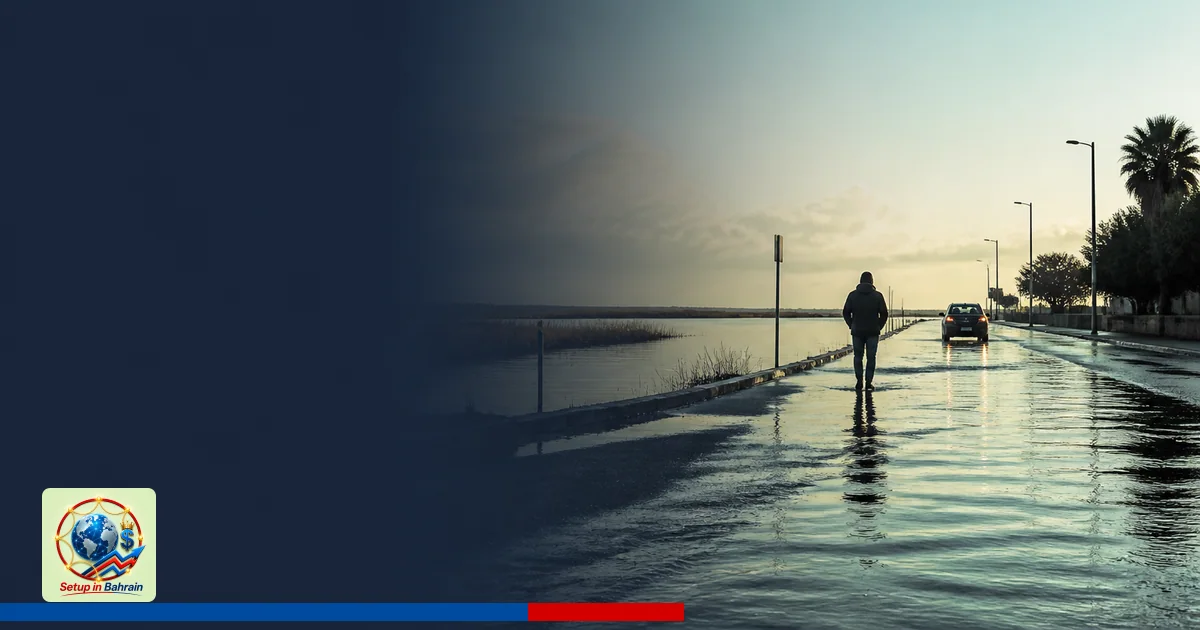
Charleston King Tides September 29-30: What to know
King tides are higher-than-normal high tides that can cause street flooding in low-lying areas. In Charleston, predicted events on September 29-30 may reach higher levels when combined with rain or wind. The article below explains what to expect, who may be affected, and practical steps you can take.
What is happening
King tides refer to unusually high tides that occur during full or new moons and certain seasons. In Charleston, typical high tides are around 5.5 feet, but during a king tide they can rise to 7 feet or more. The upcoming dates predicted for the Charleston area are September 29-30. The higher water can cause street flooding, road closures, and pressures on drainage systems, especially if rain and wind accompany the high tides.
Who is affected
Residents in low-lying neighborhoods, coastal roadways, and places near marsh edges are most at risk for street flooding. Commuters who use roads that run along the water may encounter pooling or temporary closures. Vehicles can be damaged by standing water, and water can enter garages or ground-floor spaces in flood-prone homes. People who park near water-facing streets or on beaches should be especially cautious.
Practical next steps for residents and drivers
Monitor local weather and tide forecasts for Sept. 29-30. Before king tides arrive:
- Clear debris from drains near your home to reduce runoff blockages.
- Prepare ground-level spaces if you live in a flood-prone home (sandbags or movable barriers where appropriate).
- Charge devices and secure valuables in higher, dry areas.
- Avoid driving through standing water; just 12 inches can move some cars, and two feet can sweep away larger vehicles.
- Turn around, don’t drown: do not drive around barricades or through flooded streets.
- Be aware of manhole covers that can pop due to water pressure under the road.
- Check for road damage and debris before resuming travel; report hazards to local authorities if possible.
Limits and questions
Forecasts describe potential high tides and related conditions; actual water levels can vary with wind, rain, and local drainage. If you need more details, contact local transportation or environmental agencies for real-time updates. Always follow official warnings and barricade guidance to stay safe.
Which sources did Setup in Bahrain review?
Setup in Bahrain reviewed the following source material before preparing this explanatory article.
The links remain visible so readers can inspect the evidence, compare dates and context, and confirm current requirements with the relevant authority.
- tidelinesblog.com — evidence source reviewed for this article.
Information and responsibility notice: This article is general information based on the cited material available when published. It is not legal, tax, immigration, medical, financial, banking, or investment advice; it does not create a professional-client relationship; and it is not a guarantee of outcome, availability, accuracy, or eligibility. Rules, schedules, prices, and third-party information can change. Confirm material decisions with the relevant authority and an appropriately qualified adviser before acting.