
Super El Niño risks for Southeast Asia: effects on farmers, families and livelihoods
Forecasts indicate a near-certain path to a very strong El Niño later this year, expected to raise heat, water stress, and fire risk across Southeast Asia. This explainer outlines what changes may come, who is affected, and practical steps households and communities can consider as governments and farmers plan responses.
What is driving the risk of higher disruption
El Niño is a climate pattern that shifts air pressure and temperatures across the Pacific, often reducing rainfall in some regions and raising heat across others. That combination tends to raise daytime heat, evaporate soil moisture, and increase wildfire risk in parts of Southeast Asia. The immediate consequence for households can be more expensive electricity and food, due to higher demand for cooling and fewer crops or harvests.
Who is affected and how
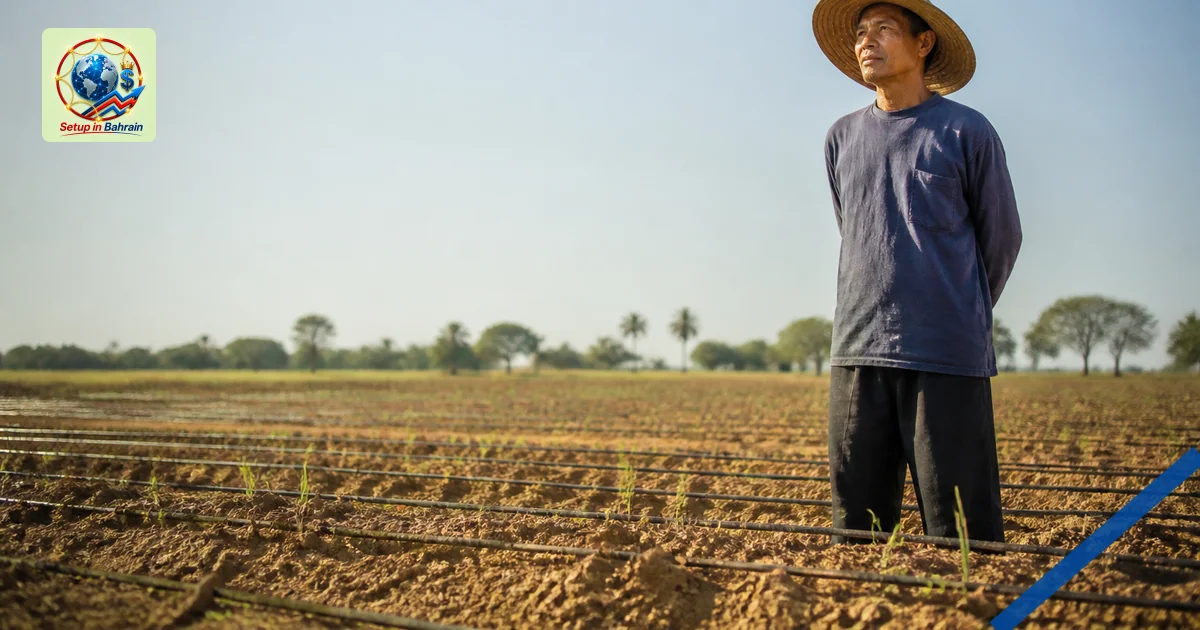
Farmers may face drier soils, reduced yields for crops such as rice and vegetables, and higher costs for irrigation. Daily wage earners and families relying on agriculture-related income can see income volatility as harvests shift or shrink. Urban households could experience higher electricity costs during hotter periods and increased prices for food items if supply tightens. Fire risk can rise due to drier vegetation, potentially affecting air quality and local safety. While much of the region is affected, the severity depends on local climate, water management, and how quickly communities can adapt irrigation and cooling needs.
Practical next steps for households and communities
Stay informed about local weather advisories and government guidance. If you rely on farming, consider water-saving practices, crop diversification, and consulting local extension services for adaptive farming strategies. For households, plan ahead for hotter periods by improving shading and insulation where possible, and by budgeting for potentially higher energy costs. Community groups and local authorities can prepare fire safety plans and ensure vulnerable residents have access to cooling resources and air quality information. Governments may adjust subsidies or support programs in response to changing prices or crop yields; follow official channels for any aid updates.
Which sources did Setup in Bahrain review?
Setup in Bahrain reviewed the following source material before preparing this explanatory article.
The links remain visible so readers can inspect the evidence, compare dates and context, and confirm current requirements with the relevant authority.
- channelnewsasia.com — evidence source reviewed for this article.
Information and responsibility notice: This article is general information based on the cited material available when published. It is not legal, tax, immigration, medical, financial, banking, or investment advice; it does not create a professional-client relationship; and it is not a guarantee of outcome, availability, accuracy, or eligibility. Rules, schedules, prices, and third-party information can change. Confirm material decisions with the relevant authority and an appropriately qualified adviser before acting.