
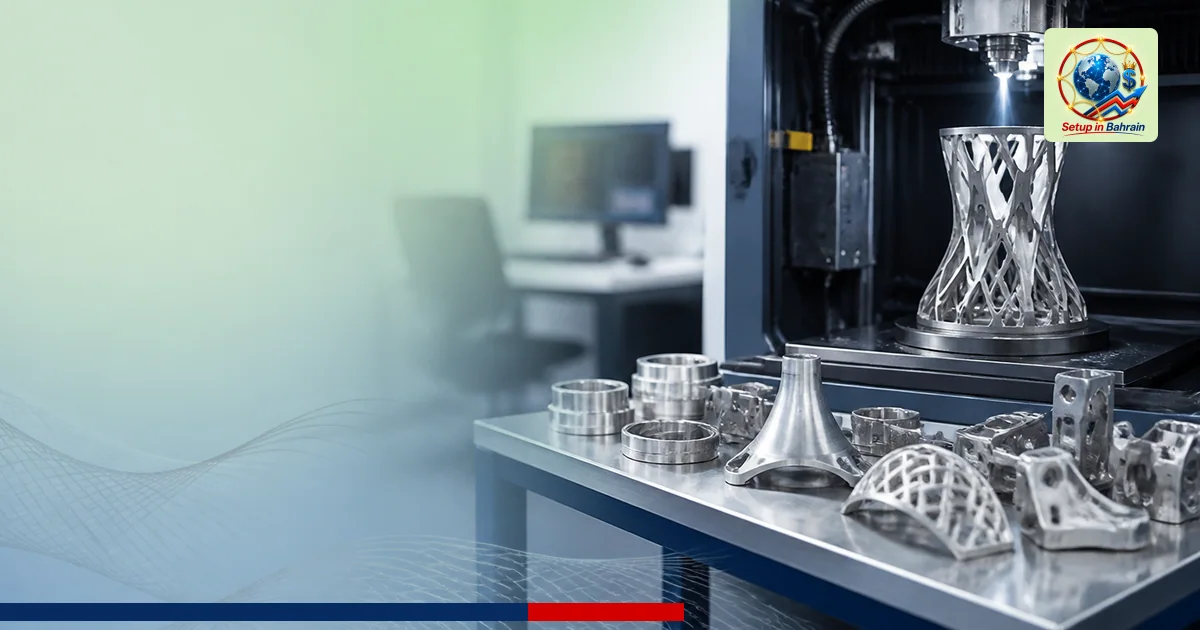
EU bets on additive manufacturing to boost space goals
The European Union is accelerating the use of additive manufacturing (AM), or 3D printing, to help European space companies compete globally. A set of recent milestones includes major launches, large funding rounds, and a push to qualify 3D-printed components for space use, all aimed at strengthening Europe’s position in the commercial space race.
What changed in Europe’s space effort
European space startups and manufacturers are increasingly using additive manufacturing to build parts faster and with complex shapes that are hard to make with traditional methods. Notable events cited include a continental European launch milestone by Isar Aerospace, a large Series C funding round for The Exploration Company, and a significant investment in a Swiss metal AM firm. These developments are part of a broader EU strategy to boost the competitiveness of European space firms by adopting AM for components used in rockets and satellites. The EU is also pushing a program called the Digital Qualification Framework for Additively Manufactured Space Components (DIQAM) to speed up the testing and certification needed for space parts printed with AM. In short, Europe aims to combine AM with formal qualification programs to shorten development times and improve reliability for space hardware.
Key facts for non-specialists
- Additive manufacturing (AM)means building objects layer by layer from digital designs, often enabling faster production and more complex parts than traditional methods.
- Qualification frameworkrefers to a formal process that proves a part meets required standards for space use, including safety and reliability.
- Major playersinclude European space startups and manufacturers that are using AM to compete with non-EU suppliers.
- Funding signalslarge investments in European space firms show confidence in AM-driven growth.
- ImpactAM could shorten development cycles and reduce costs for space hardware if qualification hurdles are cleared.
Who is affected by these changes
European space companies, researchers, and suppliers tied to AM services are directly affected, as they stand to benefit from faster production and new funding. Space agencies and national governments within the EU may accelerate procurement and standards work. End users include satellite operators and other customers of European space hardware who could see more domestic supply options and potentially lower costs if AM-enabled parts become common.
Practical next steps for readers
- Follow updates on the DIQAM program to understand when AM parts might be approved for space use.
- If you’re in the AM or aerospace sectors, consider aligning capabilities with space-grade qualification processes to position your company for potential contracts.
- Watch for funding rounds and partnerships involving European space startups, as these indicate growing adoption of AM in the industry.
- Ask technical vendors about how AM parts are tested and certified for space environments (vibration, temperature, radiation).
Which sources did Setup in Bahrain review?
Setup in Bahrain reviewed the following source material before preparing this explanatory article.
The links remain visible so readers can inspect the evidence, compare dates and context, and confirm current requirements with the relevant authority.
- 3dprint.com — evidence source reviewed for this article.
Information and responsibility notice: This article is general information based on the cited material available when published. It is not legal, tax, immigration, medical, financial, banking, or investment advice; it does not create a professional-client relationship; and it is not a guarantee of outcome, availability, accuracy, or eligibility. Rules, schedules, prices, and third-party information can change. Confirm material decisions with the relevant authority and an appropriately qualified adviser before acting.