
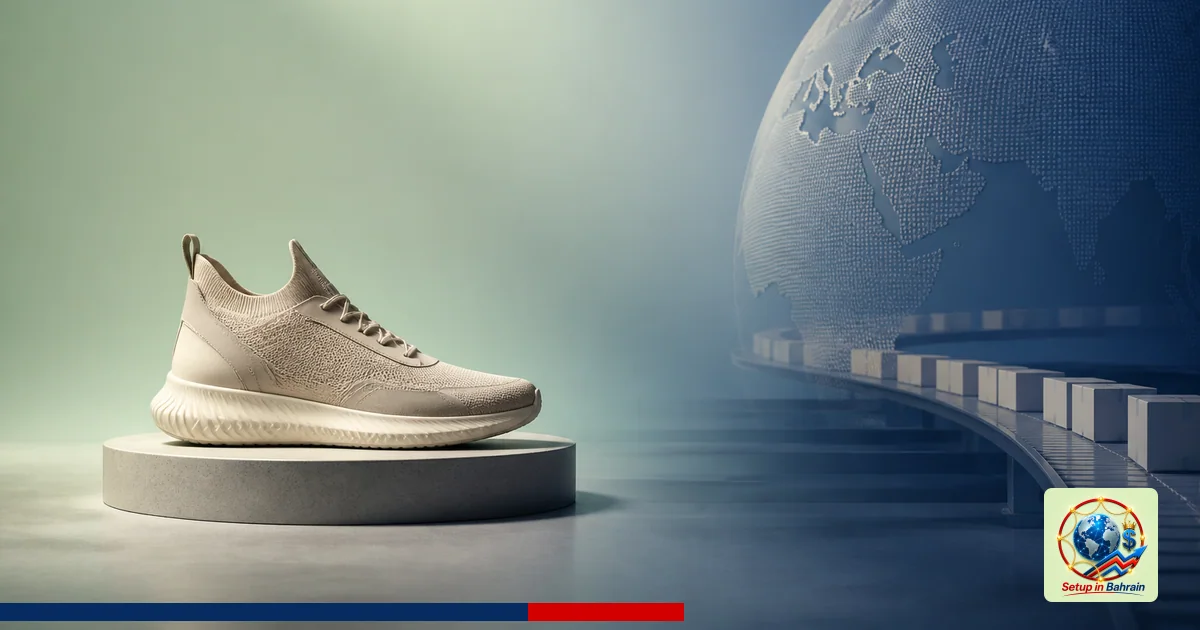
Gucci sneakers labeled Made in China stir debate over tradition
Gucci has started selling some luxury sneakers labeled as Made in China, a change from its traditional Italian production. Industry observers say the move may affect the brand’s image among high-end shoppers and could help reduce costs as the company strives to attract more price-conscious consumers. This explainer breaks down what happened, who is affected, and practical next steps, with direct source links for further reading.
What changed
Gucci is introducing sneaker models with manufacturing labeled as Made in China. This marks a departure from the brand’s prior emphasis on Italian-made goods. The change is part of a broader effort by parent company Kering to manage costs and appeal to a group of shoppers described as aspirational, who may be more price-sensitive than ultra-wealthy buyers. The development comes as Gucci faces slower sales growth and the need to balance luxury identity with affordability.
Key facts to know
- Label change: Some Gucci sneakers carry a Made in China designation.
- Brand context: Gucci is a leading luxury brand under Kering; Demna is a noted designer guiding new products.
- Market aim: The shift targets attracting middle-class and aspirational shoppers while managing production costs.
- Industry concern: Some observers worry the move could affect the brand’s high-end image if perceived as compromising Italian craftsmanship.
- Company status: Gucci has faced sales and margin pressures, prompting a review of manufacturing and stores strategy.
Who is affected
Shoppers who buy Gucci sneakers may notice the Made in China label, which could influence perceptions of value and authenticity. Investors and industry watchers are assessing whether the label change signals a long-term shift in production strategy. Gucci employees and partners in Italy and China may experience operational and supply chain adjustments as production locations evolve.
Practical next steps
- For shoppers: Consider the label when evaluating product origin and price. Compare features, materials, and warranty, not just where a product is made.
- For readers seeking context: Read the company’s official statements and reputable industry analyses about luxury manufacturing trends and cost control.
- For investors: Monitor Gucci’s quarterly results and any management updates on production strategy and store performance to gauge potential shifts in margins and brand positioning.
- General note: Labels don’t always indicate quality; assess product performance and durability alongside origin claims.
Limits and questions
The source material notes several business factors but does not provide a full breakdown of how widespread the Made in China sneakers are, nor the exact impact on pricing or margins. Readers may wish to follow official company disclosures and independent market analyses for a complete picture of long-term effects on brand image and financials.
Which sources did Setup in Bahrain review?
Setup in Bahrain reviewed the following source material before preparing this explanatory article.
The links remain visible so readers can inspect the evidence, compare dates and context, and confirm current requirements with the relevant authority.
- ksl.com — evidence source reviewed for this article.
Information and responsibility notice: This article is general information based on the cited material available when published. It is not legal, tax, immigration, medical, financial, banking, or investment advice; it does not create a professional-client relationship; and it is not a guarantee of outcome, availability, accuracy, or eligibility. Rules, schedules, prices, and third-party information can change. Confirm material decisions with the relevant authority and an appropriately qualified adviser before acting.