
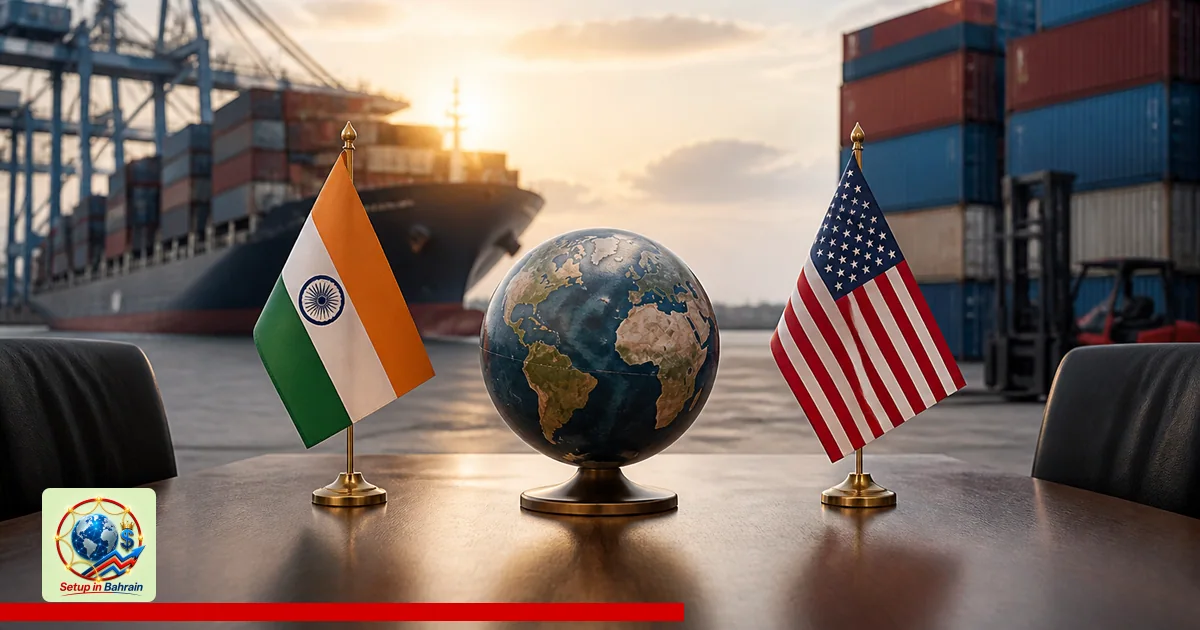
G20 Trade Ministers Meet in Milwaukee: India, US Seek Progress on Pact
Trade ministers from major economies gathered in Milwaukee for two days to discuss international trade, supply chains, and measures to curb excess steel production. India and the United States are key participants, with the talks focusing on tariff tensions, trade rules, and new frameworks to monitor steel supply chains.
What happened in Milwaukee
Ministers met over two days to discuss global trade issues, including industrial overcapacity and supply-chain security. A notable development was the Global Forum on Steel Excess Capacity agreeing to the Milwaukee Framework, a set of proposed actions to coordinate responses to oversupply in the steel market. The framework envisions stronger trade remedies, closer monitoring of steel supply chains, and scrutiny of transshipment practices where goods are moved through multiple countries to avoid tariffs or quotas.
U.S. Trade Representative Jamieson Greer described the approach as flexible, with each country determining its own tariff policies while seeking coordinated action. India’s Commerce and Industry Minister Piyush Goyal represented New Delhi, signaling continued interest from major economies in shaping a shared path on trade rules and remedies.
Key facts for readers
– Location and timing: Milwaukee, two-day meeting among G20 trade ministers.
– Parties: United States and India are prominent participants amid broader G20 involvement.
– Main topics: International trade rules, tariff tensions, supply-chain security, and steel overcapacity.
– Milwaukee Framework: A new coordination approach toward excessive steel production, including monitoring and potential remedies.
Who is affected
The discussions affect countries that rely on steel and other traded goods, industries facing tariffs, and governments seeking to manage supply chains. In practice, businesses that import steel or steel-containing products may see changes in trade remedies or scrutiny of shipments. Consumers could indirectly feel effects if tariff changes influence prices or availability of manufactured goods.
Practical next steps
Watch for announcements from the U.S. Trade Representative and participating governments about any agreed actions or timelines tied to the Milwaukee Framework. Businesses should review current tariff exposure and supply-chain dependencies on steel and related products. If tariffs or remedies increase, consider diversifying suppliers, inspecting transshipment routes for compliance, and staying alert for new reporting requirements around steel sources and shipments.
Which sources did Setup in Bahrain review?
Setup in Bahrain reviewed the following source material before preparing this explanatory article.
The links remain visible so readers can inspect the evidence, compare dates and context, and confirm current requirements with the relevant authority.
- indusbusinessjournal.com — evidence source reviewed for this article.
Information and responsibility notice: This article is general information based on the cited material available when published. It is not legal, tax, immigration, medical, financial, banking, or investment advice; it does not create a professional-client relationship; and it is not a guarantee of outcome, availability, accuracy, or eligibility. Rules, schedules, prices, and third-party information can change. Confirm material decisions with the relevant authority and an appropriately qualified adviser before acting.