
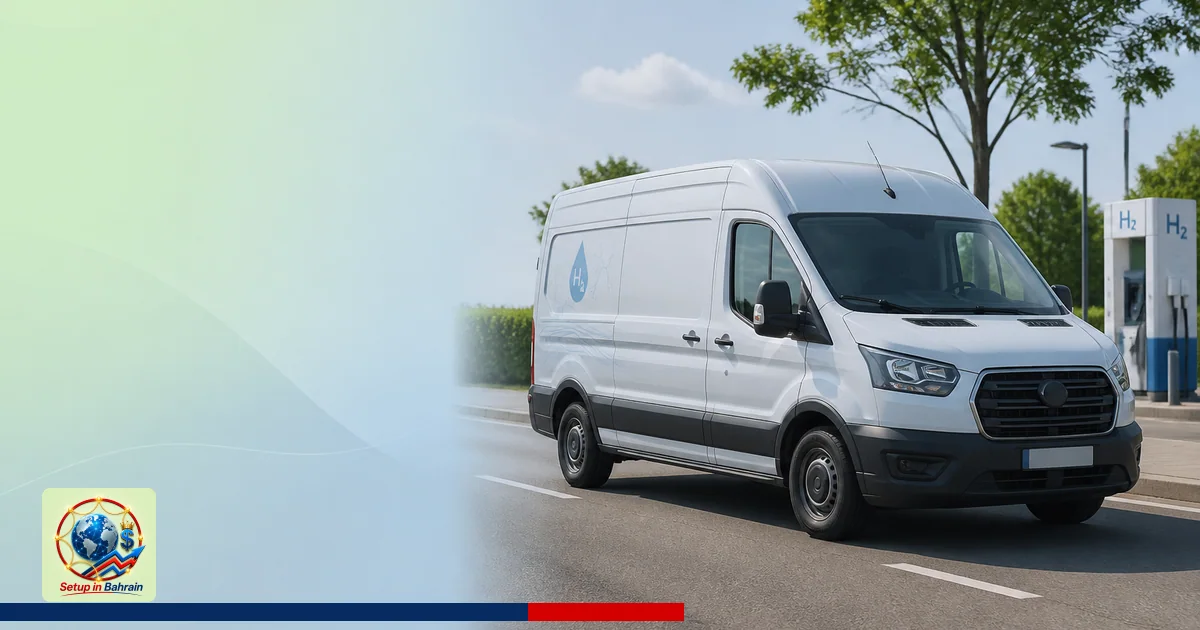
Ford and WWU trial hydrogen-powered Transit to cut emissions
Wales & West Utilities (WWU) and Ford are running a 12-week test of a prototype Ford Transit light commercial vehicle that uses a hydrogen fuel cell to reduce carbon emissions. The trial takes place in Swansea and the wider West Wales area, with WWU staff driving the vehicle daily to assess its practicality and potential benefits for its fleet.
What is happening
WWU, the gas emergency and pipeline service for Wales, is trialing a Ford Transit equipped with a hydrogen fuel cell. The vehicle runs on hydrogen gas and emits only water as a byproduct, aiming to lower fleet emissions where current low-carbon options are limited. The hydrogen is produced and delivered by Protium Green Solutions, with refueling at a site supported by Fuel Cell Systems at Hyppo Hydrogen Solutions in Swansea. The 12-week trial involves WWU personnel using the van for typical daily tasks across Swansea and West Wales.
Key facts
- Project purpose: explore low-carbon options for parts of WWU's vehicle fleet.
- Vehicle: prototype Ford Transit with a hydrogen fuel cell.
- Hydrogen supply chain: produced and delivered by Protium Green Solutions; refueling at a Swansea site linked to Hyppo Hydrogen Solutions.
- Scope: daily use across the Swansea and wider West Wales area to evaluate practicality and emissions impact.
Who is affected
WWU operational colleagues who use the vehicle as part of their daily duties will directly experience the technology. If the trial shows benefits, WWU could consider expanding hydrogen-fuel-cell options within its fleet. Ford acts as the vehicle supplier and technology provider, while Protium Green Solutions and Hyppo Hydrogen Solutions handle hydrogen production and refueling logistics.
Practical next steps
Keep an eye on WWU updates and Ford communications for results from the 12-week trial, including any measurements of emissions reductions, vehicle range, refueling times, and operational reliability. If promising, WWU may explore broader adoption of low-emission vehicles in its fleet and similar trials with other routes or vehicle sizes. Readers should not assume wider rollout without official WWU statements confirming conclusions and plans.
Limits and questions
Hydrogen fuel-cell technology is one option among several for reducing vehicle emissions. The trial details do not specify the full fleet impact, costs, or long-term maintenance requirements. Questions readers might have include: how the total cost of ownership compares with conventional vehicles, how refueling infrastructure scales, and the reliability of hydrogen supply chains in different regions. Official results from WWU and Ford will address these points after the trial concludes.
Which sources did Setup in Bahrain review?
Setup in Bahrain reviewed the following source material before preparing this explanatory article.
The links remain visible so readers can inspect the evidence, compare dates and context, and confirm current requirements with the relevant authority.
- businessmotoring.co.uk — evidence source reviewed for this article.
Information and responsibility notice: This article is general information based on the cited material available when published. It is not legal, tax, immigration, medical, financial, banking, or investment advice; it does not create a professional-client relationship; and it is not a guarantee of outcome, availability, accuracy, or eligibility. Rules, schedules, prices, and third-party information can change. Confirm material decisions with the relevant authority and an appropriately qualified adviser before acting.