
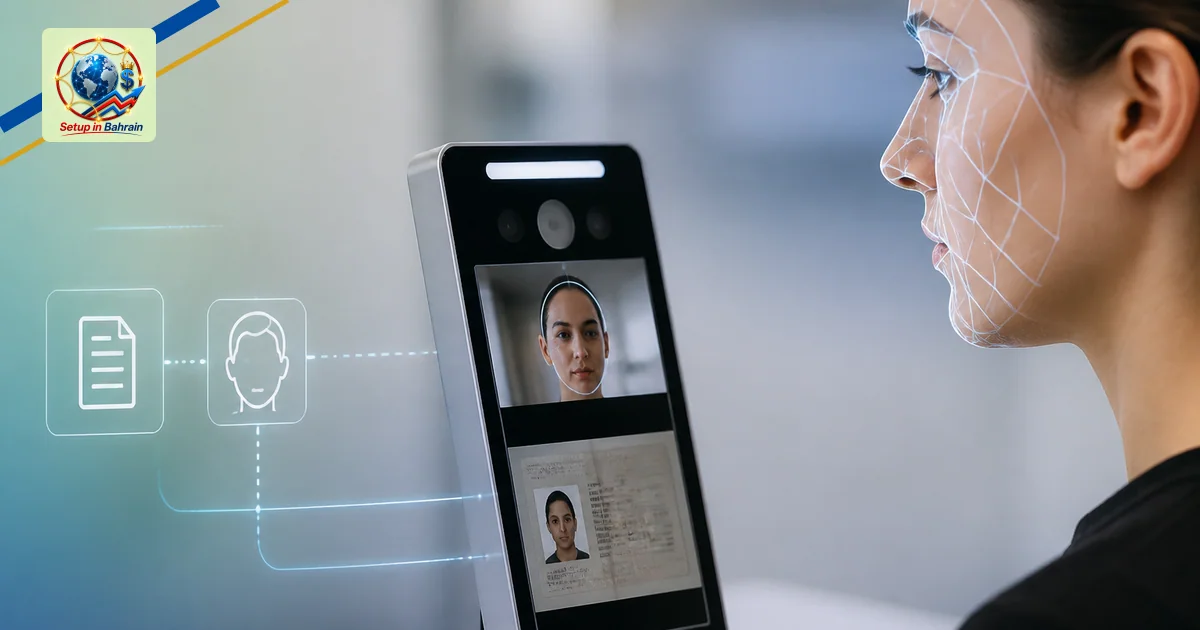
Facephi adds document and facial biometrics to Crif onboarding
Facephi will provide its document verification and facial biometric technology to Crif’s remote onboarding services, enabling banks, insurers, and fintechs to verify identities during online applications using document checks, selfie biometrics, and liveness tests.
What changed
Facephi is integrating its document verification and facial biometric technology with Crif’s onboarding services. Applicants submit an identity document and take a biometric selfie. The system extracts data from the document, checks its validity, and performs a passive liveness test to confirm the person is real. Additional checks include optical character recognition (reading text from the document), NFC chip reading (if present), and screening against sanctions and politically exposed persons lists.
Who is affected
Businesses that do remote onboarding for banking, insurance, and fintech services may use Crif onboarding with Facephi’s technology. This affects applicants who are opening accounts or applying for financial services online, as well as institutions that rely on identity verification to meet regulatory and risk-management requirements.
Practical next steps
If your organization uses Crif onboarding, review vendor updates for Facephi integration, including how document capture, selfie biometrics, and liveness checks are implemented in your workflow. Ensure you understand what data is collected, how it is stored, and how long it is retained. Confirm which lists (sanctions or politically exposed persons) are screened and how findings are escalated. For applicants, ensure you follow the on-screen instructions for capturing documents and selfies clearly to avoid failures in verifications.
Limits and questions
Technical terms explained: biometric selfie means a photo of you taken with the device’s camera. Liveness detection checks that the photo comes from a live person, not a spoof. Optical character recognition (OCR) reads text on the document to extract data like name and number. NFC reading uses the document’s chip if present. Sanctions and politically exposed persons (PEP) lists are security checks to prevent fraud and illicit activity. The source describes an integration with Crif Onboarding Intelligence, which already includes some identity checks, deepfake detection, and other risk tools. If you need specifics on data privacy, retention periods, or jurisdictional rules, contact your provider or legal team for detailed documentation.
Which sources did Setup in Bahrain review?
Setup in Bahrain reviewed the following source material before preparing this explanatory article.
The links remain visible so readers can inspect the evidence, compare dates and context, and confirm current requirements with the relevant authority.
- biometricupdate.com — evidence source reviewed for this article.
Information and responsibility notice: This article is general information based on the cited material available when published. It is not legal, tax, immigration, medical, financial, banking, or investment advice; it does not create a professional-client relationship; and it is not a guarantee of outcome, availability, accuracy, or eligibility. Rules, schedules, prices, and third-party information can change. Confirm material decisions with the relevant authority and an appropriately qualified adviser before acting.