
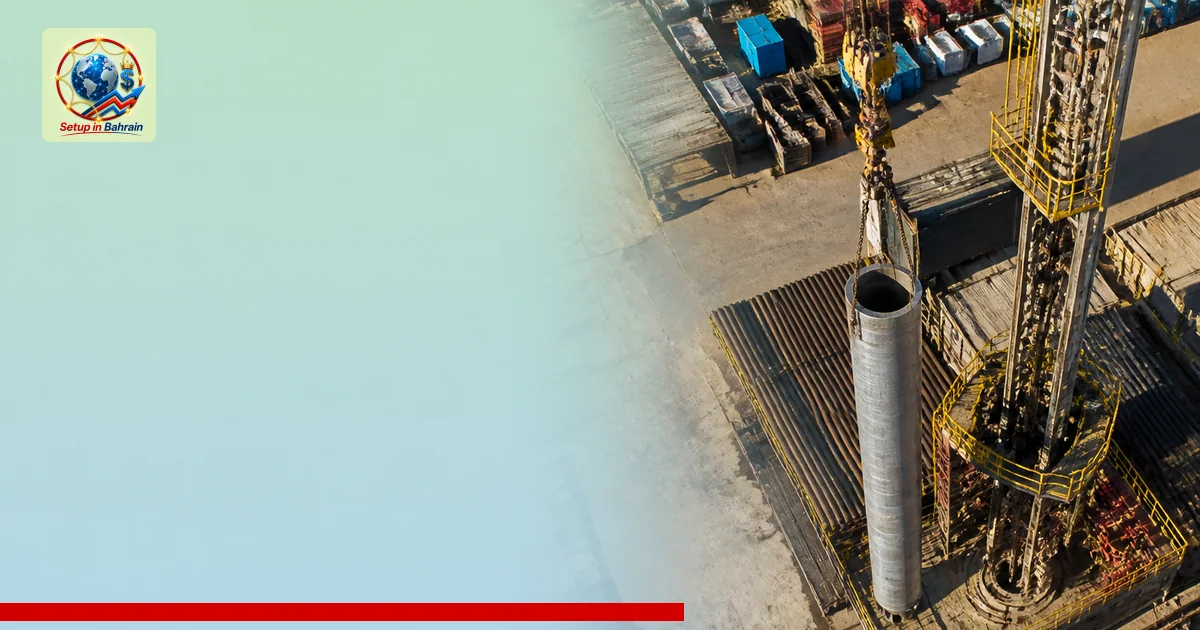
Denmark opens one of Europe’s first CO2 cemeteries
Denmark has begun operating Greensand, a large-scale project that stores carbon dioxide deep underground beneath the North Sea. The project, led by Ineos, is described as Europe’s first major CO2 storage site and a potential model for future carbon capture and storage (CCS) efforts in industries that are hard to decarbonise.
What changed
A site 250 kilometres off the Danish coast beneath the Nini reservoir is being used to bury liquified carbon dioxide after it is captured from industrial processes. This marks the launch of Greensand as a large-scale CCS operation in Europe, with Ineos describing it as a milestone for the technology.
Key facts
- Greensand is Europe’s first large-scale CO2 storage site, aiming to permanently store CO2 underground after capture from industry.
- The project is led by Ineos, an energy company, and involves storing CO2 beneath a former oil platform in the North Sea.
- CCS stands for carbon capture and storage; it is viewed as a way to reduce emissions in sectors where cutting pollution is challenging, such as cement and steel.
- Officials say CCS could support a low-carbon future while preserving European production, investment, and jobs.
Who is affected
The policy and industry sectors that stand to benefit include European cement, steel, and other heavy industries pursuing lower emissions. Local communities connected to North Sea energy activity may be indirectly affected through project investment and job preservation efforts tied to CCS deployment.
Practical next steps
- Monitor technical and economic performance of Greensand to assess CCS viability and cost trends.
- Track regulatory and political support for future CCS projects in Europe, as CCS remains expensive and requires stable policy frameworks.
- Follow updates on any expansion plans, site safety, and long-term stewardship commitments for stored CO2.
Limits and questions
CCS is a promising tool, but its long-term viability depends on cost, technology, and market conditions. Critics point to ongoing questions about the economics, potential leakage, and whether CCS can scale to a level needed for broad decarbonisation without other changes in energy and industry practices.
Which sources did Setup in Bahrain review?
Setup in Bahrain reviewed the following source material before preparing this explanatory article.
The links remain visible so readers can inspect the evidence, compare dates and context, and confirm current requirements with the relevant authority.
- brusselstimes.com — evidence source reviewed for this article.
Information and responsibility notice: This article is general information based on the cited material available when published. It is not legal, tax, immigration, medical, financial, banking, or investment advice; it does not create a professional-client relationship; and it is not a guarantee of outcome, availability, accuracy, or eligibility. Rules, schedules, prices, and third-party information can change. Confirm material decisions with the relevant authority and an appropriately qualified adviser before acting.