
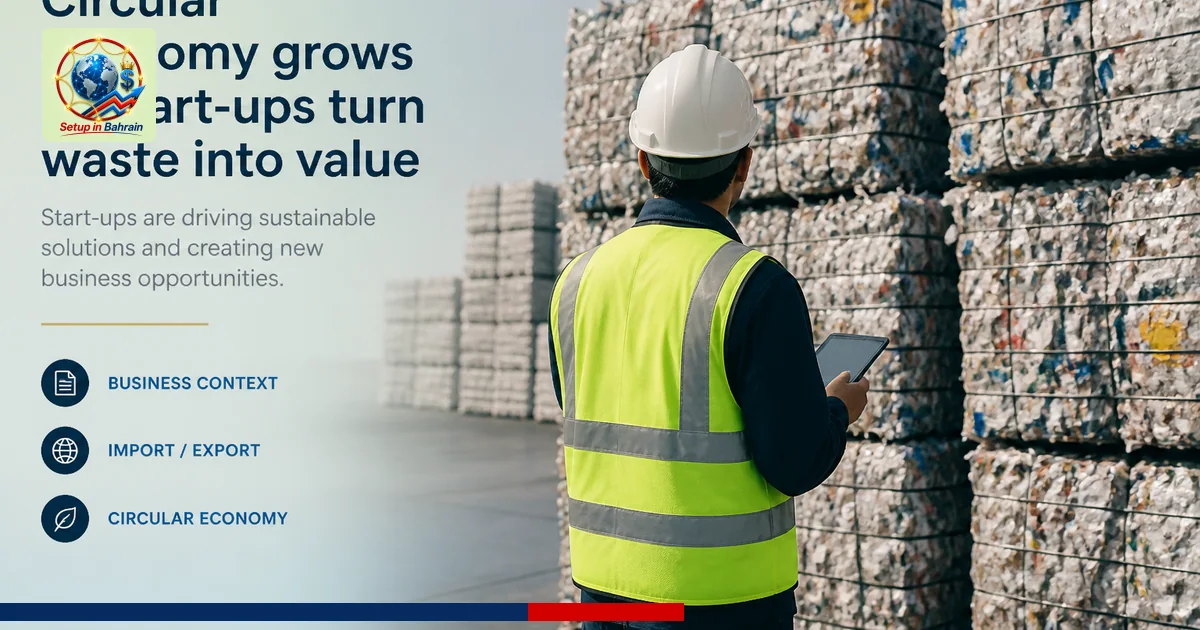
Circular economy grows as start-ups turn waste into value
The circular economy is expanding as new Irish start-ups turn waste into valuable materials and products, aiming to reduce environmental impact while growing business. This explainer summarizes what happened, who is affected, and practical next steps, using information from a recent industry overview and reporting.
What’s happening
Irish start-ups are increasingly focusing on turning waste streams into usable materials and products. Companies like Mesh Bioplastics are cited as examples of firms that blend advanced materials science with manufacturing processes to create sustainable options for demanding applications. The broader trend reflects a shift toward reuse and recycling as part of business models, rather than a one-off project. The reporting notes that while activity is rising, challenges remain in securing funding and achieving scale.
Who is affected
Businesses in manufacturing and healthcare are potential beneficiaries, as they may gain access to materials designed for performance and sustainability needs. Workers at recycling facilities are also part of the ecosystem, involved in sorting and processing waste streams into reusable inputs. Start-ups and investors in the circular economy may experience opportunities and risks related to financing, regulatory support, and market demand.
Practical next steps
For policymakers and funders: consider programs that reduce the cost of scaling circular-material technologies and provide early-stage support to enable larger deployments. For businesses evaluating circular materials: assess supplier capabilities, performance requirements, and lifecycle costs to determine if recycled inputs meet needs. For researchers and developers: focus on product-grade materials that meet industry standards and can be manufactured at scale. Consumers and practitioners can watch for case studies showing real-life replacements of virgin materials with recycled alternatives.
Limits and questions
Despite growth, the article notes ongoing concerns about funding and scale, which can slow broader adoption. Questions remain about long-term performance, regulatory approvals, and the true environmental benefits when measured across an entire lifecycle. Stakeholders should seek transparent data on material performance, supply chain reliability, and the economic viability of scaling circular approaches.
Which sources did Setup in Bahrain review?
Setup in Bahrain reviewed the following source material before preparing this explanatory article.
The links remain visible so readers can inspect the evidence, compare dates and context, and confirm current requirements with the relevant authority.
- irishtimes.com — evidence source reviewed for this article.
Information and responsibility notice: This article is general information based on the cited material available when published. It is not legal, tax, immigration, medical, financial, banking, or investment advice; it does not create a professional-client relationship; and it is not a guarantee of outcome, availability, accuracy, or eligibility. Rules, schedules, prices, and third-party information can change. Confirm material decisions with the relevant authority and an appropriately qualified adviser before acting.