
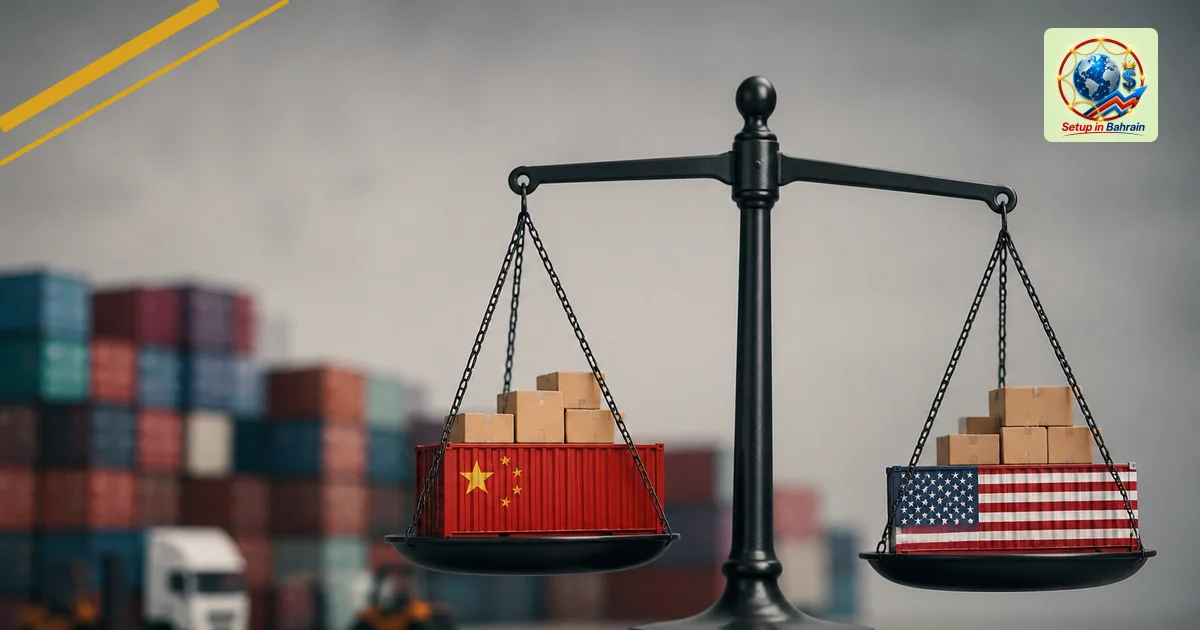
China-US tariff cuts: what changed and who is affected
China and the United States have agreed to reduce tariffs on about $60 billion worth of goods traded between the two countries, covering items such as US agricultural products and Chinese household items. The move is presented as part of a renewed trade truce and follows high-level talks between leaders. This explainer breaks down what happened, who is affected, and practical steps to understand the implications.
What changed in the tariffs
Both countries agreed to lower duties on a combined total of about $60 billion of goods they trade with each other. The reductions apply to a mix of agricultural products from the United States (like corn, wheat, and sorghum) and various consumer goods from China (including household appliances and toys). The two sides reportedly recommended about $30 billion of non-sensitive goods for more favorable tariff treatment on each side, effectively expanding market access for those products. The announcement is framed as a continuation of a trade truce and a signal of ongoing negotiations, rather than a complete resolution of all tariff disagreements.
Key facts in plain terms
Tariffs are taxes added to imported goods. Reducing tariffs makes imported goods cheaper for buyers in the receiving country and can encourage more trade. The agreement covers roughly $60 billion of goods in total, split between US-origin goods and Chinese-origin goods. The specific products named include US agricultural staples (corn, wheat, sorghum, meat, dairy) and Chinese consumer items (household appliances and toys). The claim about “unlocked improved market access” refers to making it easier for about 30% of US exports to China to enter under lower duties, according to a statement attributed to a US trade official. This is described as part of a larger trade truce and a sign of ongoing talks.
Who is affected
Farmers and exporters in the United States could benefit from lower tariffs on agricultural products, potentially improving prices and demand for their goods in China. Manufacturers and retailers in China that import US agricultural products and Chinese consumer goods may see lower import costs for those items, influencing prices for some products in stores or markets. Consumers could see indirect effects if lower tariffs make certain imported goods cheaper. The impact can vary by product, company, and whether businesses already have supply chains tied to these goods. This summary does not project local price changes, but highlights the potential for wider trade ease between the two countries.
Practical next steps
For businesses: monitor official trade announcements and any implementing rules from the United States Trade Representative and Chinese authorities to understand which goods qualify and the timing. If you import or export affected items, review contracts and pricing to see if lower duties apply to your products. For policymakers and analysts: assess how tariff changes interact with broader trade goals, supply chains, and competitiveness. For consumers: note that tariff changes on large-scale trade can influence prices indirectly, but many other factors still drive retail prices.
Limitations and questions
Details about which exact goods are covered and the duration of the tariff reductions are not fully specified here. Tariff policy can change with new negotiations or policy decisions. Users should seek official government statements for precise lists of eligible products, effective dates, and any conditions attached to the lower duties. This explainer cites a single source of information with claims about the tariff reductions and market-access impacts; additional official documents should be consulted for complete accuracy.
Which sources did Setup in Bahrain review?
Setup in Bahrain reviewed the following source material before preparing this explanatory article.
The links remain visible so readers can inspect the evidence, compare dates and context, and confirm current requirements with the relevant authority.
- humenglish.com — evidence source reviewed for this article.
Information and responsibility notice: This article is general information based on the cited material available when published. It is not legal, tax, immigration, medical, financial, banking, or investment advice; it does not create a professional-client relationship; and it is not a guarantee of outcome, availability, accuracy, or eligibility. Rules, schedules, prices, and third-party information can change. Confirm material decisions with the relevant authority and an appropriately qualified adviser before acting.