
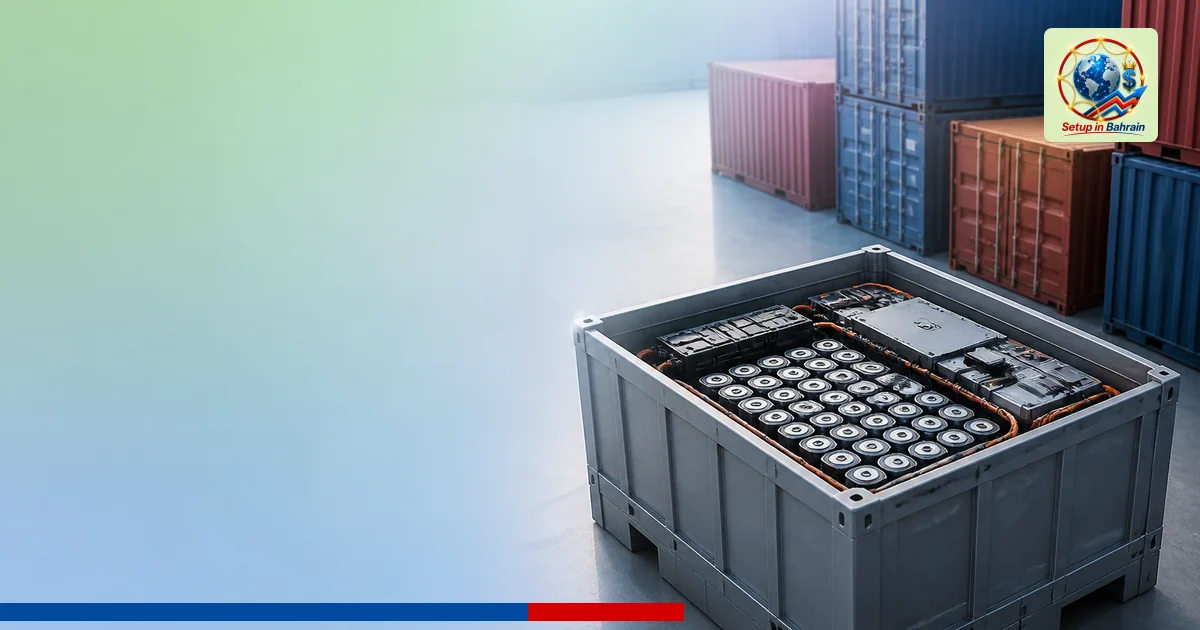
China sets 2030 battery targets, backs sodium-ion and solid-state
China has published a national five-year plan for its battery industry, outlining goals for 2030 that emphasize longer-lasting lithium batteries and expanded support for sodium-ion, flow-type, and solid-state storage technologies. The plan aims to guide domestic development, manufacturing, and deployment across sectors such as power grids, transport, and consumer electronics.
What the plan changes or adds
The plan sets a target for lithium-ion batteries to reach around 15,000 charge-discharge cycles by 2030, signaling a push for longer-lasting energy storage. It also prioritizes expanding alternative storage chemistries, including sodium-ion and flow batteries, and supports research into solid-state batteries. The emphasis is on widening the battery toolkit to improve grid-scale storage, reliability, and energy security.
Who is affected
Domestic battery manufacturers, grid operators, and sectors relying on large-scale energy storage stand to be affected. Policymakers, researchers, and funding bodies in China may shift resources toward longer-life lithium cells and non-lithium alternatives. End users connected to the power system could see more resilient storage options, while international suppliers may adjust to China’s evolving standards and incentives.
Practical next steps for readers
For industry watchers: monitor government funding announcements and any new standards for 2030 battery performance. For investors and suppliers: assess opportunities in sodium-ion, flow, and solid-state technologies that align with China’s stated priorities. For researchers and engineers: align project proposals with longer cycle life targets and diversified storage chemistries. For grid operators: plan procurement strategies that consider a broader mix of battery technologies to meet peak-shaving and reliability goals.
Limits and questions to watch
Details on funding levels, implementation timelines, and specific performance metrics may still develop. The plan describes targets but does not guarantee immediate rollout or international adoption. Observers should look for subsequent policy documents or budget allocations that spell out how targets will be financed and measured, and whetherChina’s targets influence global battery supply chains and energy policies.
Which sources did Setup in Bahrain review?
Setup in Bahrain reviewed the following source material before preparing this explanatory article.
The links remain visible so readers can inspect the evidence, compare dates and context, and confirm current requirements with the relevant authority.
- ess-news.com — evidence source reviewed for this article.
Information and responsibility notice: This article is general information based on the cited material available when published. It is not legal, tax, immigration, medical, financial, banking, or investment advice; it does not create a professional-client relationship; and it is not a guarantee of outcome, availability, accuracy, or eligibility. Rules, schedules, prices, and third-party information can change. Confirm material decisions with the relevant authority and an appropriately qualified adviser before acting.