
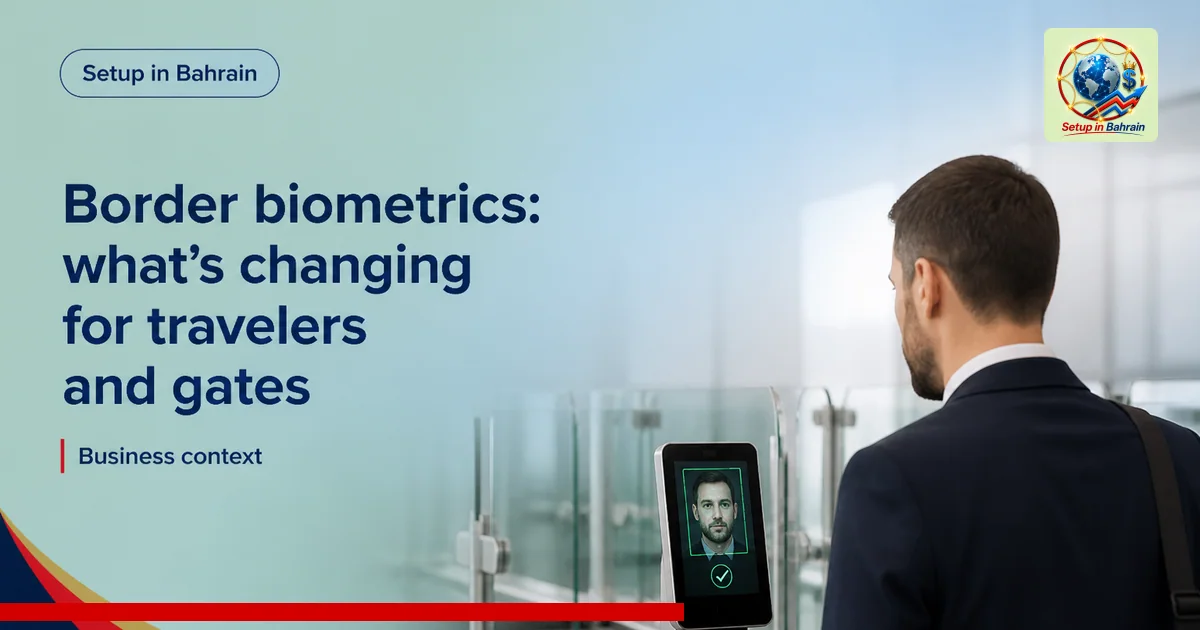
Border biometrics: what’s changing for travelers and gates
Border control technology is shifting toward more automated, walk-through checks using facial recognition and related tools, while some efforts push for minimal or no biometric gates. This explainer lays out what happened, who is affected, and what travelers can expect next, with plain-language explanations and direct source links.
What is changing at the border
New walk-through facial recognition and linked mobile pre-registration technologies are being tested and rolled toward production in some border crossings. The goal is to speed up lines while maintaining identity checks. In practice, travelers may encounter gates or lanes that scan faces as they pass, sometimes complemented by pre-registered data from a mobile system. The push is part of a broader set of programs described as Enhanced Entry-Exit Systems (EES) and related border-security infrastructure.
Who is affected and how
Two groups are most affected: (1) travelers using airports or land borders where new walk-through or pre-registration tools are tested; (2) people who routinely cross borders for work, study, or family visits. In the short term, travelers may experience faster processing at some crossings, but may also be asked to enroll or update data beforehand. Privacy discussions persist about how long biometric data is stored and who can access it. Civil liberties experts frequently argue for clear limits and strong safeguards as these systems expand.
Practical next steps for travelers
If you anticipate travel across tested borders, consider checking official government or border agency guidance for: (1) whether facial-recognition or other biometrics will be used at your point of entry; (2) whether you need to pre-register a mobile identity profile; (3) how to access and delete biometric data if the option exists. Ensure your travel documents are valid and up to date, and allow extra time if you are unsure whether a gate will be fully automated. Stay informed about any changes that affect entry rules or data-sharing practices in the places you travel.
Limits and questions to watch for
Experts note privacy and oversight limits as these systems scale. Key questions include how long biometric data is stored, who can access it, and how errors are corrected. Some advocates call for minimal or no biometric gates in favor of alternative identity checks. As testing continues, different border sites may adopt varied approaches, so experiences can differ by location. For travelers, the practical impact is often a balance between speed and data-sharing concerns.
Which sources did Setup in Bahrain review?
Setup in Bahrain reviewed the following source material before preparing this explanatory article.
The links remain visible so readers can inspect the evidence, compare dates and context, and confirm current requirements with the relevant authority.
- biometricupdate.com — evidence source reviewed for this article.
Information and responsibility notice: This article is general information based on the cited material available when published. It is not legal, tax, immigration, medical, financial, banking, or investment advice; it does not create a professional-client relationship; and it is not a guarantee of outcome, availability, accuracy, or eligibility. Rules, schedules, prices, and third-party information can change. Confirm material decisions with the relevant authority and an appropriately qualified adviser before acting.