
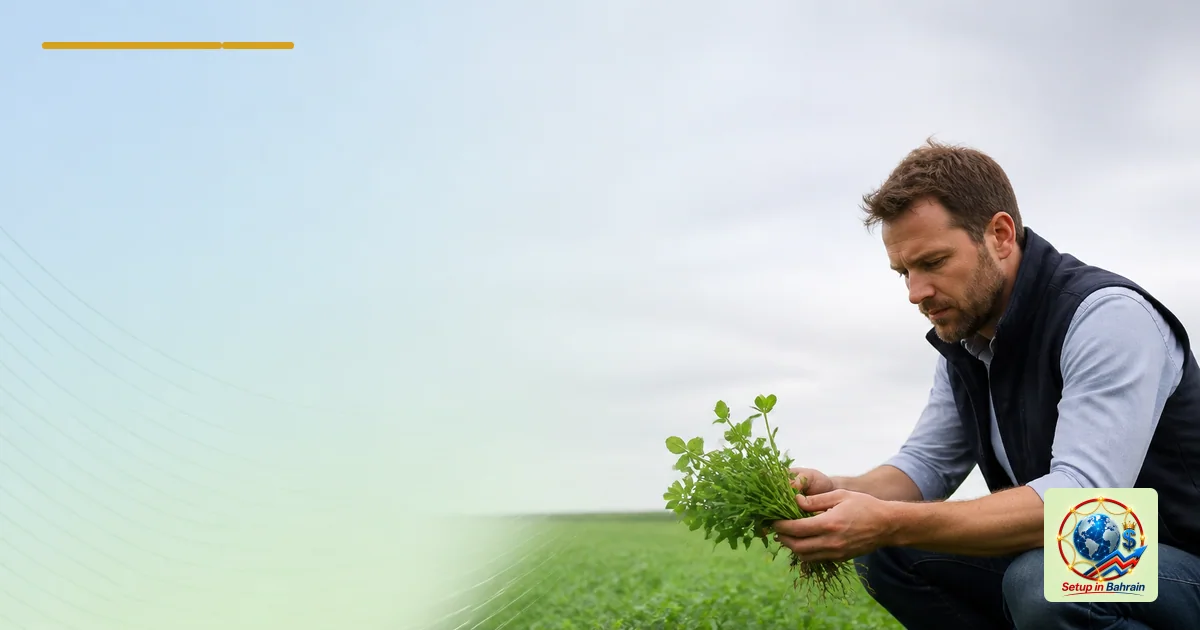
Beyond Animal Feed: Grass and Clover in Agriculture
Swedish researchers are exploring how integrating grass and clover into crop rotations could improve soil health, reduce dependence on imported soy, and enable new industrial materials from fiber-rich crops. The idea is to use leys—temporary grasses and clovers—as part of ordinary farming cycles to diversify protein sources and enhance sustainability.
What is being proposed
Researchers at Chalmers University of Technology in Sweden are studying adding grass and clover leys to cereal-heavy crop rotations. A ley is a sequence where grasses and clover grow together for a period, followed by regular crops. The goal is to create protein feed locally, cut the need for imported soy, and produce materials from the fiber in the crops. This approach links soil health improvements with potential new bio-based materials.
Key facts for readers
- Leys are temporary plantings of grasses and clover used to diversify farming systems.
- Grass and clover can provide feed and contribute to soil health by fixing nitrogen and improving soil structure.
- Reducing reliance on imported soy could affect European protein supply chains, depending on market and policy changes.
- Researchers envision expanding green biorefineries in farming regions to turn biomass into protein feed and materials.
Who is affected
The potential beneficiaries include cereal farmers who adopt leys as part of rotations, cattle and other livestock producers who would use the new protein feed. Regional bio-based industries that could source fiber-rich materials from the crops. Policy makers and researchers may also be involved in assessing viability and environmental impact.
Practical next steps
- Farmers considering leys would evaluate season length, seed costs, and compatibility with existing crops.
- Food and feed supply chains would monitor any shifts in protein sourcing and price effects for soy and other proteins.
- Researchers would continue field trials to measure soil health outcomes, crop yields, and material yields from fibers.
- Policymakers could look at incentives or standards that encourage sustainable rotations and local protein production.
Limits and questions
Current reporting emphasizes potential rather than confirmed results. It is unclear how quickly such practices could scale, what the economics look like, or how markets would respond. Specific environmental impacts (for example, long-term soil nitrogen balance) require more study.
Which sources did Setup in Bahrain review?
Setup in Bahrain reviewed the following source material before preparing this explanatory article.
The links remain visible so readers can inspect the evidence, compare dates and context, and confirm current requirements with the relevant authority.
- archynewsy.com — evidence source reviewed for this article.
Information and responsibility notice: This article is general information based on the cited material available when published. It is not legal, tax, immigration, medical, financial, banking, or investment advice; it does not create a professional-client relationship; and it is not a guarantee of outcome, availability, accuracy, or eligibility. Rules, schedules, prices, and third-party information can change. Confirm material decisions with the relevant authority and an appropriately qualified adviser before acting.