
How to Prepare for Your First Business Meeting in Bahrain with confidence. Learn key tips on cultural etiquette, professional conduct, meeting protocols
View details
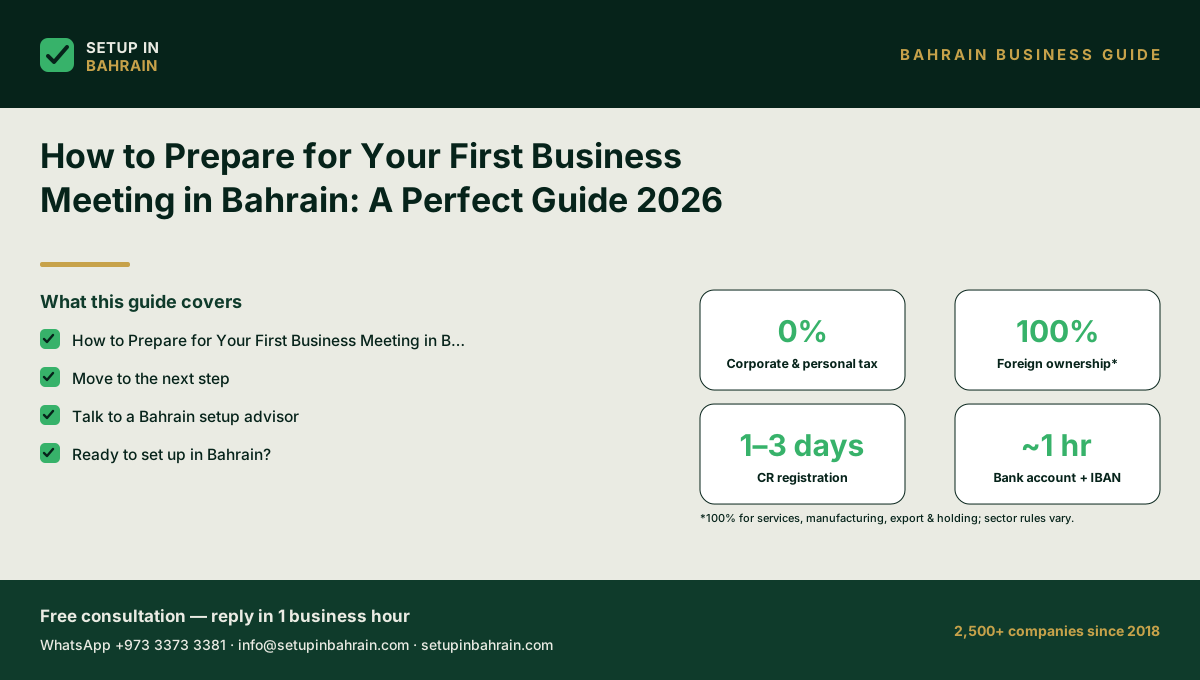
How to Prepare for Your First Business Meeting in Bahrain is an essential resource for entrepreneurs, investors, and professionals aiming to establish strong business relationships in the Kingdom. Bahrain’s business environment blends modern corporate practices with traditional cultural values, emphasizing trust, respect, and personal connections. A well-prepared approach ensures a positive first impression and sets the stage for long-term collaboration.
Before your first meeting, it’s crucial to understand Bahraini business etiquette, local expectations, and organizational norms. Preparation goes beyond knowing your presentation; it includes research, cultural awareness, and a professional mindset to navigate business discussions effectively.
For foreign businesses looking to register a company in Bahrain, obtain an investor visa, and open a corporate bank account, this digital logistics boom offers massive potential for growth and regional expansion.
How to Prepare for Your First Business Meeting in Bahrain: A Roadmap Guide 2026
Table of Contents
- Understanding Bahraini Business Culture
- Researching the Company and Participants
- Setting Clear Objectives for the Meeting
- Scheduling and Confirming the Meeting
- Preparing Your Presentation and Materials
- Dressing for Success: Professional Attire in Bahrain
- Communication Style and Language Considerations
- Conducting Yourself During the Meeting
- Following Up After the Meeting
- Leveraging Technology for Effective Meetings
1. Understanding Bahraini Business Culture
Bahrain’s business culture is unique, combining professionalism with a strong emphasis on personal relationships. Here’s how to navigate it:
- Prioritize Relationships – Building rapport before discussing business is key.
- Respect Hierarchy – Address senior executives respectfully; decision-making often lies with top-level management.
- Politeness Matters – Maintain eye contact, greet warmly, and use courteous language.
- Patience is a Virtue – Allow time for discussions and relationship-building before moving to negotiations.
Pro Tip: Observe local customs, as understanding cultural norms can create trust and long-term business success.
2. Researching the Company and Participants
Area of Research | Details to Collect | Purpose |
Company Overview | History, products, services, achievements | Demonstrates your interest and preparedness |
Decision-Makers | Names, roles, backgrounds | Helps tailor your communication effectively |
Industry Trends | Market dynamics, competitors, regulations | Positions you as informed and professional |
Recent News & Achievements | Awards, expansions, mergers | Shows awareness of the company’s current focus |
Research not only boosts confidence but signals that you respect the company’s time and operations.
3. Setting Clear Objectives for the Meeting
Before the meeting, define your goals. This ensures focused discussion:
- Tip 1: Define Your Goal Clearly – Are you seeking a partnership, pitching a product, or exploring investments?
- Tip 2: Use SMART Objectives – Make them Specific, Measurable, Achievable, Relevant, and Time-bound.
- Tip 3: Prioritize Discussion Points – Decide which topics are most important and allocate time accordingly.
A clear goal helps manage expectations and drives actionable outcomes.
4. Scheduling and Confirming the Meeting
- Schedule at least 1–2 weeks in advance.
- Confirm the meeting via email or WhatsApp a day before.
- Consider local holidays and prayer times when planning.
- Be flexible; slight delays are culturally acceptable.
Pro Tip: Sending a confirmation email with the meeting agenda shows professionalism and respect.
5. Preparing Your Presentation and Materials
- Draft a concise and visually appealing presentation.
- Prepare supporting documents (reports, brochures, proposals).
- Tailor content to the company and participants.
Material Type | Purpose | Tips |
PowerPoint / Keynote Slides | Visual representation of key points | Use infographics and charts for clarity |
Hard Copies | Physical handouts for reference | Useful for senior executives or formal meetings |
Digital Files | Shareable via email or cloud | Ensure easy access and compatibility |
A professional presentation boosts credibility and enhances your ability to communicate effectively.
6. Dressing for Success: Professional Attire in Bahrain
Gender | Recommended Attire | Cultural Notes |
Men | Suit and tie, or formal dishdasha | Conservative colors preferred; neat grooming essential |
Women | Professional suit or dress, modest length | Avoid overly bright or revealing outfits |
Grooming | Hair, nails, and shoes polished | Clean, professional appearance is mandatory |
Appearance impacts first impressions; dressing appropriately demonstrates respect for Bahraini business culture.
7. Communication Style and Language Considerations
- Language: English is widely spoken; a few Arabic greetings are appreciated.
- Tone: Keep conversations polite, professional, and formal.
- Non-Verbal Cues: Maintain eye contact and avoid excessive gestures.
- Interpreters: Use if participants are Arabic-only speakers to avoid misunderstandings.
Tip: Active listening is just as important as speaking; it shows engagement and respect.
8. Conducting Yourself During the Meeting
- Arrive 5–10 minutes early.
- Start with polite greetings and a firm handshake.
- Maintain professionalism throughout, avoiding confrontational language.
- Take notes if necessary but discreetly.
- Focus on win-win solutions during negotiations.
Professional conduct reinforces reliability and encourages collaboration.
9. Following Up After the Meeting
Action | How to Execute | Timing |
Thank You Note | Personalized email summarizing key points | Within 24–48 hours |
Action Items | List next steps clearly | Immediately after email |
Maintaining Contact | Occasional updates and check-ins | As needed |
Following up strengthens relationships and moves discussions toward tangible outcomes.
10. Leveraging Technology for Effective Meetings
Tool / Platform | Use Case | Benefits |
Virtual meetings | Convenient, reduces travel | |
Scheduling and reminders | Avoids conflicts and time-zone errors | |
Document sharing | Easy access and collaboration |
Technology makes meetings more efficient, especially when international participants are involved.
Ready to set up in Bahrain?
Tell us your business idea. We'll map the right entity, ownership and timeline — then handle the filing while you build.
Official Bahrain government references
- Sijilat — MOICT commercial registration portalsijilat.bh
- Bahrain Economic Development Boardbahrainedb.com