
Click Here to WhatsApp Us for Business Inquiries.
Saturday to Thursday 08:00 - 17:00
Office 1502, Building 361, Road 1705, Block 317, Diplomatic Area , Kingdom of Bahrain
Click Here to WhatsApp Us for Business Inquiries.
Saturday to Thursday 08:00 - 17:00
Office 1502, Building 361, Road 1705, Block 317, Diplomatic Area , Kingdom of Bahrain
The Aluminum Downstream Development Zone industrial investment 2026 initiative represents one of Bahrain’s most strategic industrial growth opportunities for local and foreign investors. As Bahrain continues expanding its manufacturing and export-focused economy, the aluminum sector remains a major pillar of industrial development. Supported by strong infrastructure, competitive energy costs, and access to global supply chains, Bahrain has positioned itself as a leading aluminum production and downstream manufacturing hub in the GCC.
In 2026, the Aluminum Downstream Development Zone (ADDZ) continues attracting industrial investors seeking opportunities in aluminum fabrication, processing, packaging, automotive components, construction materials, and export manufacturing. For businesses planning industrial expansion, understanding the setup process, infrastructure benefits, licensing requirements, and investment potential within the Aluminum Downstream Development Zone industrial investment 2026 framework is essential for long-term success. This guide provides a complete overview of the investment environment, operational requirements, and growth opportunities.
For foreign businesses looking to register a company in Bahrain, obtain an investor visa, and open a corporate bank account, this digital logistics boom offers massive potential for growth and regional expansion.
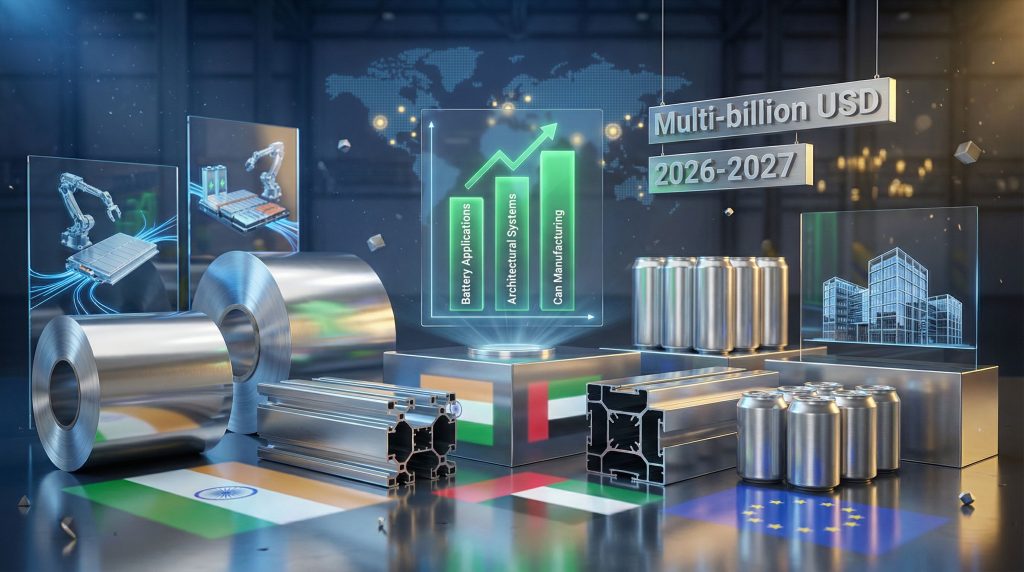
Bahrain has one of the most developed aluminum industries in the Middle East, supported by advanced smelting and downstream manufacturing operations.
Key industry segments include:
The Aluminum Downstream Development Zone industrial investment 2026 initiative strengthens Bahrain’s role as a regional manufacturing hub.
The Aluminum Downstream Development Zone (ADDZ) is a specialized industrial area dedicated to aluminum-related manufacturing and processing activities.
The zone provides:
It is specifically designed to encourage value-added aluminum production.
Bahrain offers several strategic advantages for industrial investors.
Key benefits include:
These factors make ADDZ highly attractive for industrial expansion.
The Aluminum Downstream Development Zone industrial investment 2026 initiative supports multiple industrial sectors.
Major sectors include:
Diversified industrial applications improve long-term market stability.
Industrial businesses operating in ADDZ must comply with Bahrain’s regulatory framework.
Key legal requirements include:
Proper compliance is essential for operational approval.
Investors can select from several legal structures depending on project size and ownership preferences.
Common structures include:
WLL is commonly preferred for industrial operations.
The registration process for industrial investment in ADDZ involves multiple approval stages.
Main steps include:
Early planning helps accelerate approvals.
The Aluminum Downstream Development Zone provides industrial-grade infrastructure designed for manufacturing operations.
Key infrastructure includes:
Infrastructure quality significantly improves operational efficiency.
The cost of the Aluminum Downstream Development Zone industrial investment 2026 depends on manufacturing scale and operational requirements.
| Cost Component | Estimated Cost (BHD) |
|---|---|
| Industrial Registration | 500 – 5,000 |
| Land and Facility Lease | 10,000 – 100,000+ |
| Machinery & Equipment | 50,000 – 500,000+ |
| Utility Setup | 5,000 – 50,000 |
| Operational Costs | 10,000 – 100,000 |
Industrial projects require substantial but scalable investment.
Energy efficiency is a major advantage for industrial investors in Bahrain.
Key benefits include:
These factors improve manufacturing profitability.
Industrial manufacturing operations require both skilled and semi-skilled labor.
Typical workforce roles include:
Compliance with labor laws and LMRA regulations is mandatory.
Bahrain’s location supports efficient international trade and export operations.
Key logistics advantages include:
These advantages support international manufacturing operations.
Industrial investors must comply with environmental and operational regulations.
Key compliance areas include:
Strict compliance reduces legal and operational risks.
Despite strong opportunities, investors may face several challenges.
Common issues include:
Strategic planning helps mitigate these risks.
Bahrain actively supports industrial development through investment incentives.
Support initiatives include:
These incentives improve long-term investment attractiveness.
The Aluminum Downstream Development Zone industrial investment 2026 initiative offers strong profitability potential due to increasing global demand for aluminum products.
Key growth drivers include:
Well-managed manufacturing operations can achieve long-term scalability and profitability.
The Aluminum Downstream Development Zone industrial investment 2026 initiative provides a highly strategic opportunity for investors seeking long-term industrial growth in Bahrain. Supported by strong infrastructure, competitive operational advantages, and government-backed industrial policies, Bahrain continues to strengthen its position as a regional aluminum manufacturing hub.
However, success in industrial investment depends on careful financial planning, regulatory compliance, operational efficiency, and market positioning. Investors who leverage Bahrain’s industrial ecosystem and export advantages can establish highly scalable and profitable manufacturing operations within the Aluminum Downstream Development Zone.